

Table of Contents
Introduction
The squat (SQ) is a simple, powerful movement that helps with sports and everyday life. By sitting back & standing up, you work your body’s biggest muscles, like your butt and thighs. It builds strength & burns a lot of calories. Because there are so many ways to do them, like holding a weight or widening your stance, anyone can do them, from beginners to pro athletes. Regular squats help you build a strong body, improve your posture, and keep your joints healthy as you get older.
There are many ways to do SQ, such as holding a weight at your chest or using a wider stance. They are great for everyone, whether you are just starting or a pro athlete. Adding SQ to your workout helps you build a strong body, improve your posture, and keep you moving well for years to come.
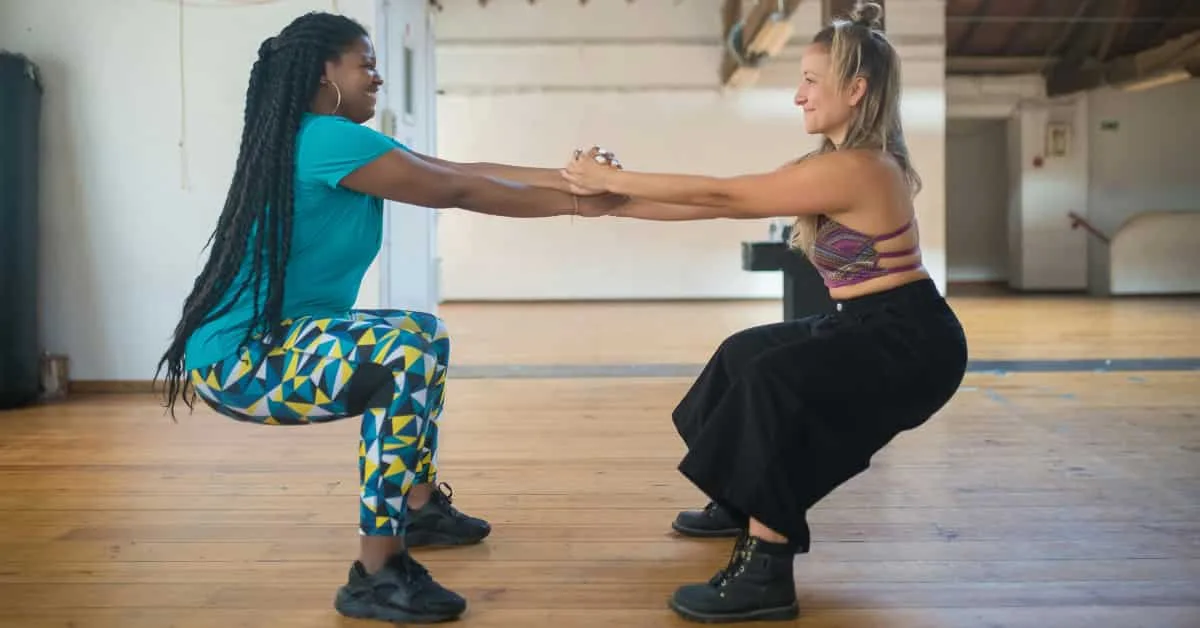
Squats exercise
The SQ is widely considered the “monarch of all exercises” due to its unparalleled ability to build lower-body strength and enhance functional mobility. As a full-body exercise, SQ primarily target your thighs, the backs of your legs, and your butt. They also use your stomach and lower back to keep you steady. Besides building muscle, SQ also strengthens your bones and joints. They also make daily tasks more manageable, like sitting in a chair or picking up heavy boxes. Whether performed with bodyweight, dumbbells, or a barbell, mastering the SQ is a fundamental cornerstone of any well-rounded fitness regimen.
Squat muscles target
The SQ is an accurate full-body compound exercise. While it is primarily a “leg day” staple, it requires a coordinated effort from the lower body, core, and even the upper back to be executed safely and effectively.
Primary Muscle Groups (The Prime Movers)
These are the muscles responsible for the actual movement of lowering and raising your weight.
- Quadriceps: Located on the front of the thigh, these muscles are the primary drivers for extending the knees as you stand up.
- Gluteus Maximus: The most important muscle in the buttocks, it powers hip extension, which is critical for pushing out of the “bottom” of the SQ.
- Adductor Magnus: This inner thigh muscle provides important stability and helps drive the hips back to a standing position.
Secondary & Stabilizing Muscles
These muscles support movement or exercise, maintain posture, & prevent joints from collapsing.
- Hamstrings: While less active than the quads, they stabilize the knee joint & assist the glutes in hip extension.
- Core (Abs & Obliques): These act as a “natural weight belt,” creating internal pressure to protect the spine and keep the torso upright.
- Erector Spinae: These muscles run along the spine and prevent your back from rounding under tension.
- Calves (Gastrocnemius & Soleus): These provide ankle stability and help maintain balance as your weight shifts through the movement.
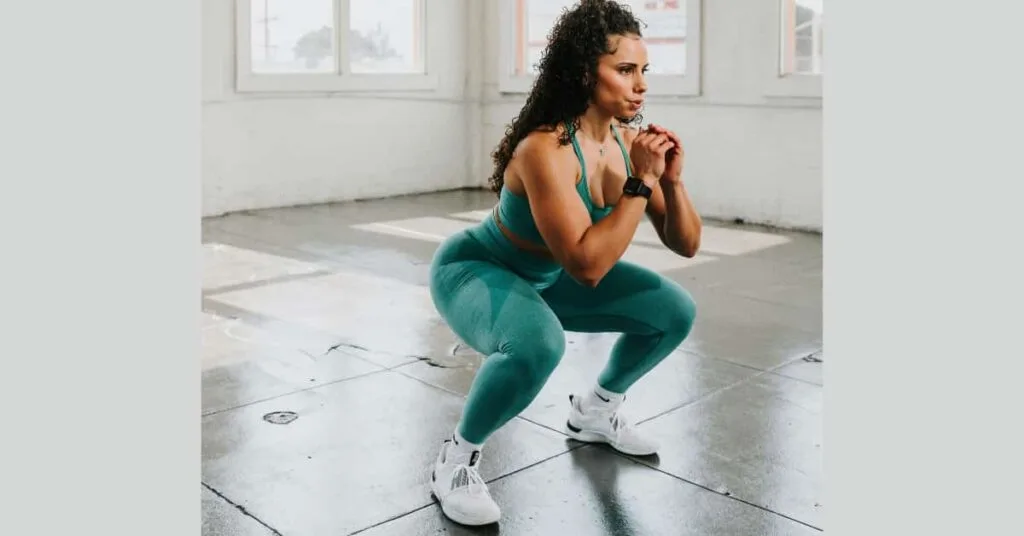
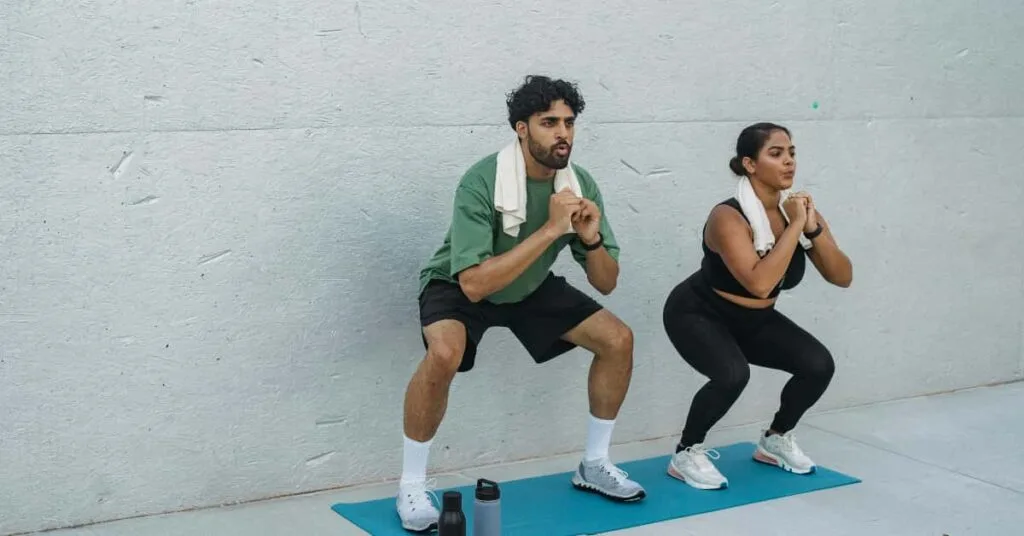
Squats Instructions
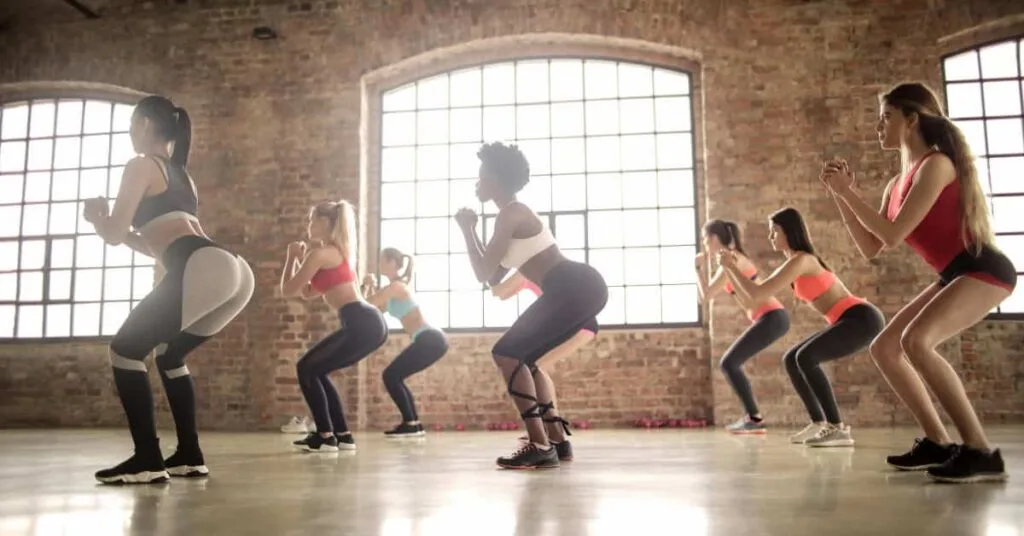
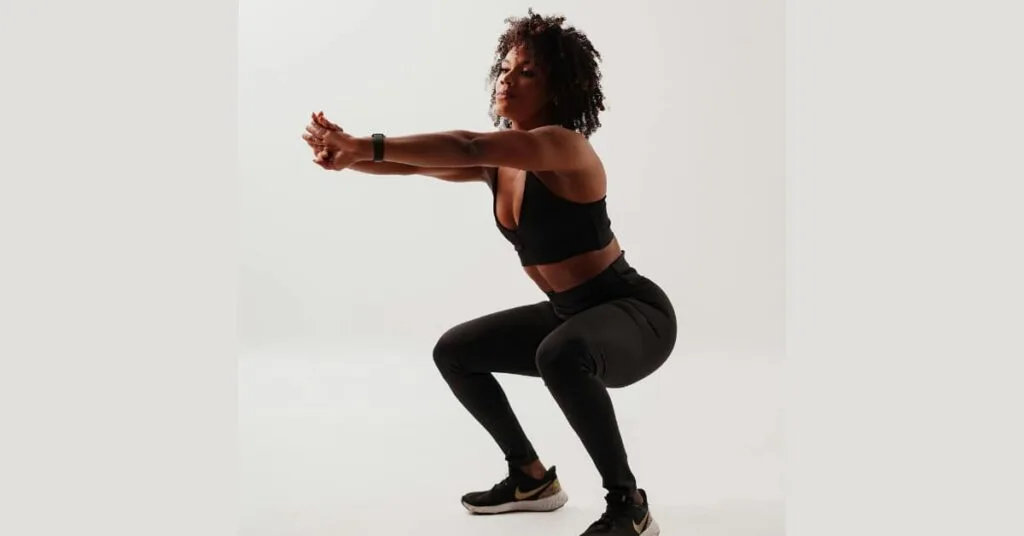
- Stand: Feet shoulder-width apart, toes slightly out.
- Brace: Tighten your abs and keep your chest up.
- Hinge: Push the hips back as if sitting in a chair.
- Lower: Bend knees until thighs are parallel to the floor.
- Check: Keep knees in line with toes (don’t let them cave).
- Heels: Keep the heels firmly planted on the ground.
- Drive: Push through your heels to stand back up.
- Finish: Squeeze your glutes at the top.
- Breathe: Inhale down, exhale up.
SQ benefits
Regular exercise offers a wide range of physical and health benefits. Here are the key benefits in minor, easy-to-digest points:
Physical & Performance Benefits
- Builds Muscle: Targets the glutes, quads, & hamstrings simultaneously.
- Strengthens Core: Engages the abs & lower back more effectively than many “ab” exercises.
- Boosts Power: Increases the ability to jump higher and run faster.
- Burns Calories: As a compound move, it uses massive energy, aiding in fat loss.
- Improves Balance: Strengthens stabilizer muscles to keep you steady as you age.
Health & Longevity Benefits
- Bone Density: Weight-bearing stress makes bones thicker and stronger, helping prevent osteoporosis.
- Joint Health: Strengthens the tendons and ligaments around the knees and hips.
- Better Posture: Strengthens the muscles that keep your spine upright and aligned.
- Functional Mobility: Makes daily tasks—like getting out of a car or picking up groceries—much easier.
- Injury Prevention: Corrects muscle imbalances that often lead to knee and back pain.
Convenience Benefits
- Do it Anywhere: No equipment is needed for a basic bodyweight SQ.
- Versatile: Can be easily modified with weights, bands, or tempo changes to keep it challenging.
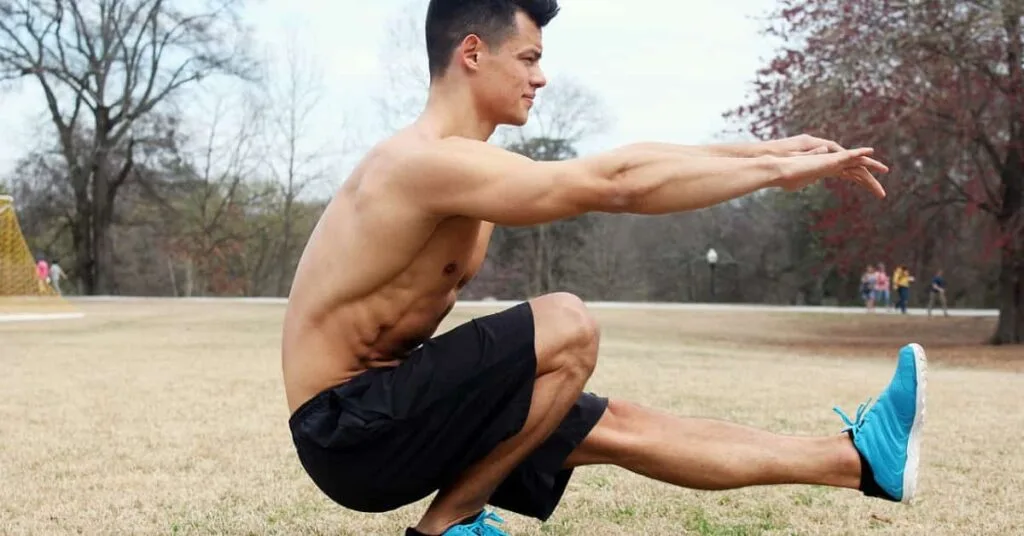
Squats variations
There are many ways to change SQ to change the difficulty or target specific muscles. Here are the most famous variations in minor points:
1. Beginner Variations
- Bodyweight Squat: The standard version using only the weight to master form.
- Wall SQ: Leaning against a wall for support; great for building endurance or rehab.
- Chair Squat: Squatting until the glutes touch a chair; allows beginners to understand “sitting back.”
- Goblet Squat: Holding a weight (dumbbell/kettlebell) at chest height; helps keep the torso upright.
2. Strength and Muscle Building
- Back Squat: Barbell on the upper back; the gold standard for lifting heavy & building overall power.
- Front Squat: Barbell or weights held in front; shifts the focus heavily to the quads and core.
- Sumo Squat: Wide stance with toes out; targets the inner thighs (adductors) and glutes more.
- Bulgarian Split Squat: One foot elevated on a bench behind you; an intense way to isolate one leg at a time.
3. Advanced and Explosive
- Jump Squat: Explosive jump from the bottom of the SQ; builds power and raises heart rate.
- Pistol Squat: A challenging single-leg SQ that requires immense balance and strength.
- Overhead Squat: Squatting while holding a bar or weights directly overhead; tests total body mobility.
- Pause Squat: Holding the bottom position for 3–5 seconds to eliminate momentum and build “hidden” strength.
Squats alternatives
If you find traditional SQ awkward or want to target the legs differently, here are the best alternatives in minor, clear points:
1. Joint-Friendly Alternatives (Best for Bad Knees or Back)
- Leg Press: Provides back support and lowers the need for balance while targeting the same leg muscles.
- Glute Bridge: Performed lying down; builds glute & hamstring strength without putting pressure on the knees or spine.
- Box Squat: Squatting onto a bench or box limits depth to a safe range and keeps the shins vertical to protect the knees.
- Step-Ups: Mimics the squat motion one leg at a time; easier on the lower back & excellent for balance.
2. Unilateral Alternatives (One Leg at a Time)
- Lunges: Great for improving coordination and fixing strength imbalances between your left and right legs.
- Bulgarian Split Squat: One foot is elevated behind you; an intense way to isolate the quads and glutes with less weight on your spine.
- Pistol Squat: An advanced bodyweight move performed on one leg; tests extreme strength & mobility.
3. Weighted & Machine Alternatives
- Deadlift: Focuses more on the “posterior chain” (back of the legs and glutes) rather than just the quads.
- Hack Squat Machine: Maintains a stable posture, allowing you to focus entirely on pushing heavy weight with the legs.
- Goblet Squat: In this, you hold a weight in front of the chest, which naturally pulls the torso into a safer, more upright position.
- Kettlebell Swing: A dynamic movement that builds explosive power in the hips and glutes without a deep squatting motion.
Squats: Common errors & precautions
Performing squats with the wrong form can lead to joint strain or injury. Below are the most common mistakes and precautions to keep the workouts safe.
Common Errors
- Knees Caving In: Allowing your knees to collapse inward (valgus) can put excessive stress on the ligaments. Keep them tracking over your toes.
- Lifting Heels: Rising onto your toes shifts the weight forward, strains the knees, and reduces glute activation.
- Rounding the Back: A “hunched” spine under load may lead to lower pain in the back or disc injuries. Keep the spine neutral and chest up.
- Looking Up or Down: Tilting the head excessively strains the neck. Keep your gaze neutral, looking slightly ahead.
- Shallow Depth: Not going low enough (stopping far above parallel) limits the exercise’s effectiveness for the glutes.
- Holding Your Breath: Forgetting to breathe can cause a spike in blood pressure and early fatigue.
Important Precautions
- Warm Up First: Never jump into heavy squats with “cold” muscles. Perform 5–10 minutes of dynamic stretches (leg swings, hip circles).
- Brace Your Core: Tighten the stomach muscles as if someone is about to poke you. It keeps the middle firm & protects the back from injury.
- Quality Over Weight: Mastering bodyweight form is more important than lifting heavy. Only add weight once your technique is perfect.
- Listen to Pain: Differentiate between “muscle burn” and “joint pain.” If you feel sharp pain in the knees or back, stop immediately.
- Check Footwear: Wear flat-soled shoes or go barefoot. Squatting in soft, “cushiony” running shoes can make your base unstable.
- Manage Depth: If you have limited mobility, only squat as deep as you may while keeping your back flat and heels down.
Conclusion
Thoughts. In conclusion, the squat is one of the most effective exercises for building a strong, functional body. By working multiple muscle groups at once, it improves everything from your athletic performance to your ability to perform daily tasks with ease. Whether you are a beginner using your own body weight or an athlete lifting heavy, mastering proper form is key to seeing results while protecting the joints.
[…] a traditional split squat, instead of keeping both feet on the floor like a regular or normal split squat, you place your back foot up on a bench or chair. It shifts almost all your weight, about 80% […]