

Table of Contents
Introduction
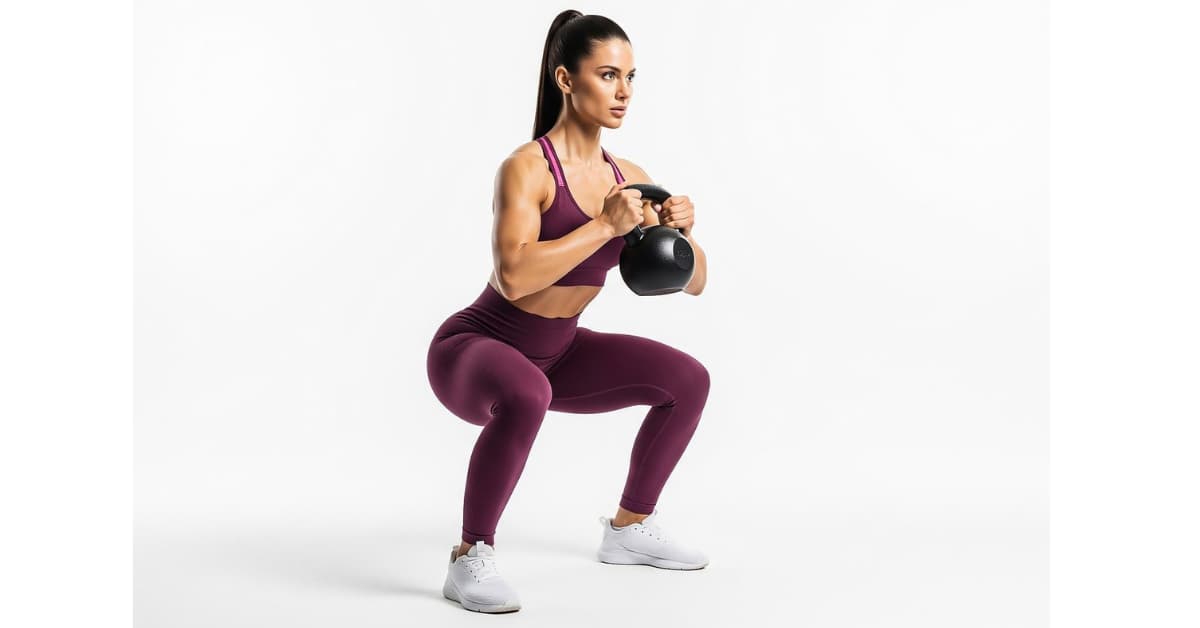
The goblet squat is a valuable compound lower-body movement or exercise that involves holding a single weight, usually a dumbbell or kettlebell, at the center of the chest with both hands, resembling a large goblet. While it especially targets the quadriceps & glutes, it also heavily engages the core, upper back, & forearms to stabilize the front-loaded weight. Its accessibility causes it a staple for beginners learning to squat. Yet, it remains a valuable tool for advanced athletes looking to enhance hip mobility or add a high-volume leg workout without the heavy spinal loading of a traditional barbell back squat.
Goblet squat
The compound movement serves as both a fundamental teaching tool for beginners and a potent strength-builder for progressive athletes. By having a dumbbell or kettlebell in front of the chest, the lifter creates a natural counterbalance that encourages an upright torso and allows a deeper range of motion than most other squat variations. This front-loaded position shifts the mechanical load toward the quadriceps & core, while significantly lowering spinal compression compared to a formal barbell back squat. Beyond building leg power, the training acts as a “self-correcting” movement or activity that automatically improves hip & ankle mobility, causing it a staple for developing functional strength & perfecting squat techniques.
Goblet Squat Instruction
- Hold the Weight: Cup a dumbbell or kettlebell against the sternum (chest) with both hands.
- Stance: Stand with feet a little wider than shoulder-width, toes pointed slightly out.
- Core: Brace the abs as if someone is about to punch you.
- Descent: Sit your hips back and down, keeping the chest tall & the weight glued to the body.
- Knee Alignment: Push the knees out so they track over the toes; the elbows should pass inside the knees.
- Depth: Lower until the thighs are at least parallel to the floor (or as deep as the mobility allows).
- Drive: Push through the whole foot to return to a standing position.
- Finish: Squeeze the glutes at the top without leaning backward.
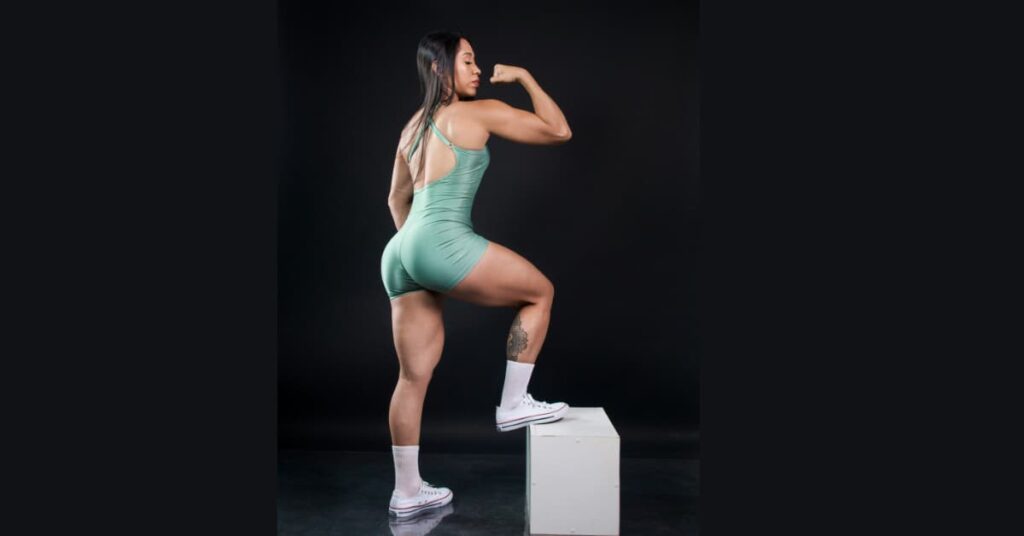
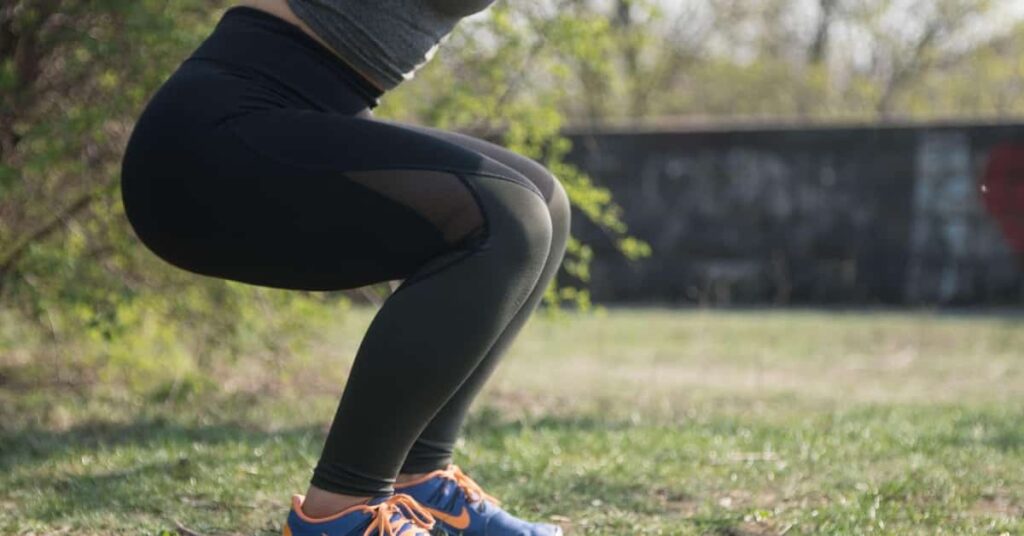
Goblet squats target muscles
Primary Muscles (The “Prime Movers”)
- Quadriceps: Discovered on the front of the thighs; these are the primary muscles used to push you back up to a standing position.
- Glutes: The buttocks muscles, especially the gluteus maximus, which drive hip extension at the top of the movement.
- Adductors: The inner thigh muscles, which assist in stabilizing the hips and keep the knees from caving in.
Secondary Muscles (Stabilizers)
- Core (Abs & Obliques): This work isometrically to keep the torso upright & protect the spine against the front-loaded weight.
- Upper Back & Lats: These engage to hold the weight against the chest & prevent the shoulders from rounding forward.
- Hamstrings: While less active than the quads, they help in stabilizing the knee & hip joints during the descent.
- Forearms & Biceps: Used to maintain a firm grip & hold the dumbbell or kettlebell in the “goblet” position.
- Calves: Provide ankle stability & help control the balance throughout the rep.
Goblet squat benefits
The goblet squat is often called the “Swiss Army Knife” of exercises because it offers a wide range of benefits for everyone, from absolute beginners to elite athletes.
1. Teaches Perfect Form
The front-loaded position acts as a natural “self-corrector.” Because the weight is at the chest, it forces you to sit back into the hips & keep the chest up, preventing the common mistake of leaning too far forward or rounding the back.
2. Enhanced Core Stability
Holding a weight in front of the body creates a “counterbalance” that requires the core (abs, obliques, and lower back) to work much harder to keep you upright. It builds functional core strength that protects the spine during other lifts and daily activities.
3. Improved Mobility
The goblet squat is one of the best ways to “open up” your hips. The weight allows you to pull deeper into the squat, stretching & strengthening the muscles around the hips, ankles, and knees, thereby improving overall flexibility.
4. Lower Back Safety
Unlike a barbell back squat, which places a heavy load directly on the spine, the goblet squat keeps the weight in front of you. It significantly lowers spinal compression, making it a much safer alternative for individuals with back sensitivity or past injuries.
5. Grip and Upper Body Strength
While it’s primarily a leg exercise, holding a heavy dumbbell or kettlebell for 10–15 reps provides a massive workout for your forearms, biceps, and upper back (latissimus dorsi and traps).
6. Fat Loss & Conditioning
Because it is a compound movement that uses almost every major muscle group, goblet squats have a high “metabolic cost.” Doing them in high-rep sets (15–20 reps) will spike the heart rate, and allowing you to burn more calories and improve cardiovascular health.
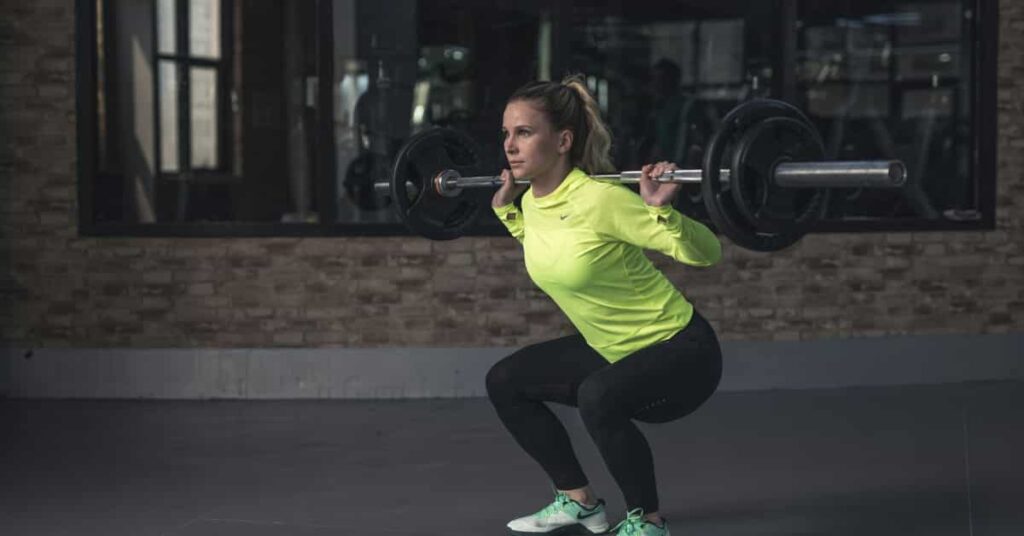
Goblet squats variations
Goblet squats are the best way to build leg strength because holding a weight in front of the chest keeps the back straight.
Here are five simple ways to change them up:
1. The “Heels Up” Squat (Best for Thighs)
Put something small and flat (like a book or a flat weight) under the heels before you start.
- How it helps: It helps you squat deeper and makes your front thigh muscles (quads) work much harder.
2. The Sumo Squat (Best for Inner Thighs)
Step the feet out wide and point the toes outward like a sumo wrestler.
- How it helps: This moves the work from the thighs to the inner thighs and the butt muscles (glutes).
3. The “Pulse” Squat (Best for Muscle Burn)
Go all the way down, come up just halfway, go back down again, and then stand all the way up.
- How it helps: This keeps the muscles working longer, helping them grow and get stronger.
4. The Box Squat (Best for Beginners)
Put a sturdy chair or a box behind you. Sit down until your butt lightly touches it, then stand back up.
- How it helps: It teaches you how to sit back safely and is excellent if you are worried about your balance.
5. The Slow Motion Squat (Best for Control)
Count to 4 very slowly as you lower yourself down into the squat.
- How it helps: This teaches you proper form and makes a lightweight feel much heavier.
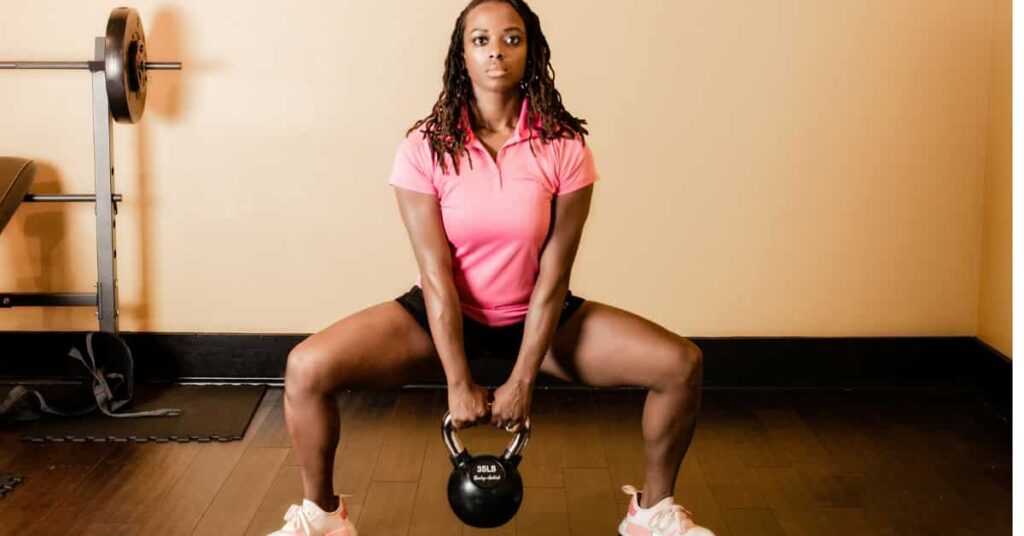
Goblet Squat with Weight
1. Goblet Squat Dumbbell: Using a dumbbell is the most common way to do this exercise and is very beginner-friendly. You hold the dumbbell vertically by cupping your hands under the top “bell” (as if holding a heavy lantern), which keeps the weight centered and stable. Because dumbbells are easy to find in almost any gym and come in small weight jumps, they are perfect for slowly getting stronger over time without feeling overwhelmed by the equipment.
2. Goblet Squat kettlebell: The kettlebell is the “original” tool for the goblet squat and feels slightly different because of its shape. You usually hold it by the “horns” (the sides of the handle) or upside down by the round base. Because the weight of a kettlebell hangs slightly lower or away from your hands, it pulls your body forward more than a dumbbell does. It forces your core and upper back to work extra hard to keep you from tipping over, making it an excellent choice for improving your posture.
3. Goblet Squat barbell: While you can’t hold a long barbell like a “cup,” a Barbell Front Squat is the advanced version of the goblet squat. Instead of weighing your hands, you rest the bar across the front of your shoulders and collarbones. It helps you to lift much heavier weights than you could ever hold in your hands, which is better for building maximum leg strength. However, it requires much more flexibility in your wrists and shoulders to keep the bar safely in place.
Goblet squats vs sumo squats
The main difference between these two exercises is the foot position and which muscles do the most work. In a Goblet Squat, the feet are about shoulder-width apart, and you hold the weight against the chest to help you stay upright. This move primarily targets the front thighs (quads) and enables you to learn to squat with a straight back. In a Sumo Squat, you take a much wider stance with the toes pointed outward, and the weight usually hangs down between your legs. This shift in position moves the focus away from the thighs and toward the inner legs and the glutes.
Precautions and common errors
Common Errors
- Heel Lifting: If your heels come off the floor, you are putting too much pressure on your knees and toes.
- Knees Caving In: Your knees should always point in the same direction as your toes. If they “buckle” inward, it can strain your joints.
- The “Weight Gap”: Letting the weight drift away from your chest makes your arms do the work and puts a heavy strain on your lower back.
- Rounding the Back: Looking down at the floor often causes your shoulders to slouch. It is dangerous for your spine.
Safety Precautions
- Glue the Weight: Keep the dumbbell or kettlebell in contact with your chest or stomach. It keeps the weight centered over your feet.
- Drive Through Heels: Imagine pushing the floor away from you with your heels as you stand up.
- Elbows Inside: A great “safety check” is to aim your elbows at the inside of your knees at the bottom. It helps push your knees out and keeps your back flat.
- Start Light: Since you have to hold the weight with your arms, your grip might get tired before your legs do. Start with a lightweight to master the “sit down” motion first.
Conclusion
In conclusion, the goblet squat is one of the most effective & safest exercises you can do to build a more substantial lower body and a healthier back. Because you hold the weight in front of you, it naturally fixes your posture and teaches you how to move correctly, whether you are using a dumbbell, a kettlebell, or even a heavy household object.
By trying different variations like the sumo stance for the inner thighs or raising the heels to target the quads, you can keep the workouts exciting and continue to see progress. As long as you keep the weight close to your chest & keep your heels flat on the floor, this single move can become the foundation of a great fitness routine.
[…] Sumo Squat vs Goblet Squats […]