

Table of Contents
Introduction
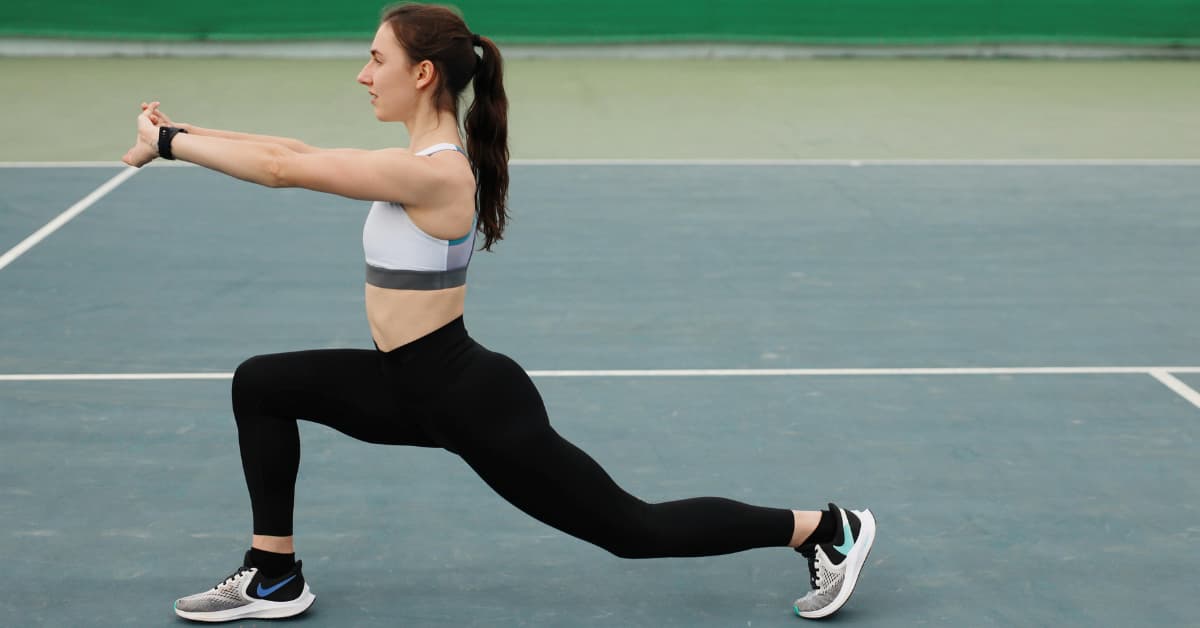
The lunges is a foundational, multi-joint resistance exercise or activity designed to strengthen the lower part of the body, including the quadriceps, hamstrings, glutes, & calves. As a unilateral action, meaning it trains one leg at a time, it is beneficial for correcting muscle imbalances & improving core stability, as the body must work to maintain balance throughout the range of motion.
Beyond its strength-building capabilities, the lunge is considered a “functional” training because it mimics everyday movements like walking, climbing stairs, & kneeling, creating it a staple in both athletic training and physical rehabilitation. Its versatility permits it to be performed anywhere, with just bodyweight or with dumbbells and barbells. Variations such as forward, reverse, & lateral lunges cater to different fitness levels and goals.
Lunges
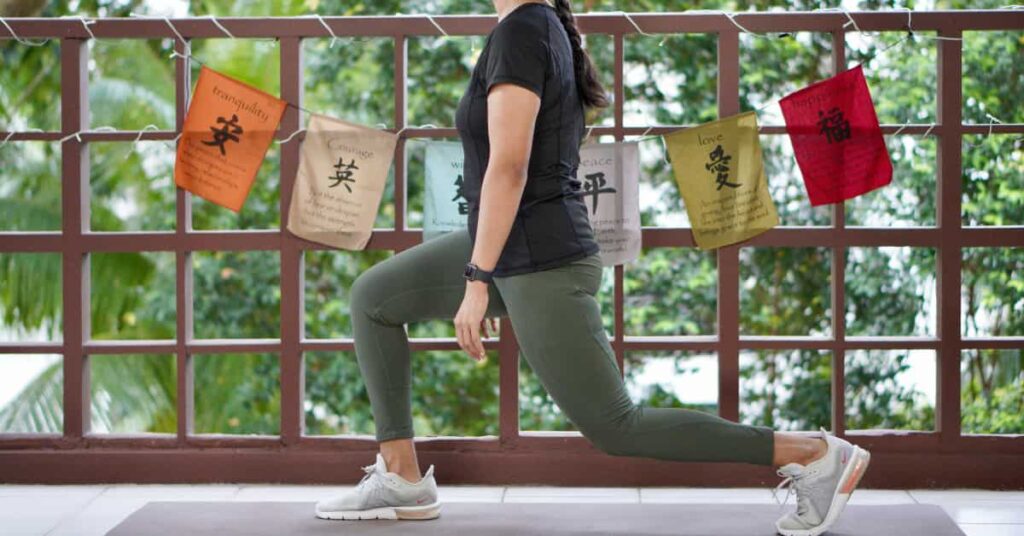
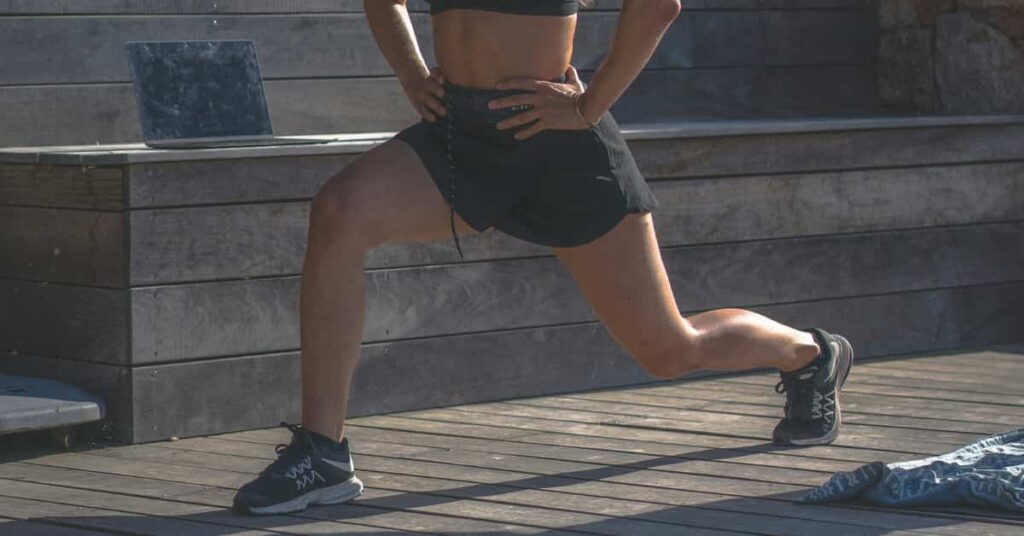
Go ahead and stand tall, with the feet hip-width apart & the core muscles braced. Take a controlled step forward, shifting the weight evenly as you drop the hips straight down toward the floor. Aim to bend both knees to 90 degrees, keeping the front knee stacked or assembled directly over the ankle rather than sliding past the toes. Keep the chest up and the back straight while the back knee hovers just an inch off the ground.
To finish the rep, drive forcefully through the front heel to push yourself back to the start. Following these specific cues will help you get the most out of the glutes and quads while keeping the knees and lower back safe from injury.
Lunges form an instruction.
Here are the key points for performing a perfect lunge in a quick, easy-to-read format:
The Setup
- Stand tall: Keep feet hip-width apart.
- Core tight: Engage the midsection to stay balanced.
- Chest up: Look straight ahead, not at the feet.
The Movement
- Big step: Step far enough forward so the legs aren’t cramped.
- Drop straight down: Lower the back knee toward the floor.
- 90-degree angles: Aim for both knees to form “L” shapes.
- Front knee check: Keep the front knee over the ankle, not past the toes.
The Finish
- Drive through the heel: Push off the front heel to return to standing.
- Stay steady: Avoid letting the knees cave inward.
- Exhale: Breathe out as you push back up.
Lunges target muscles
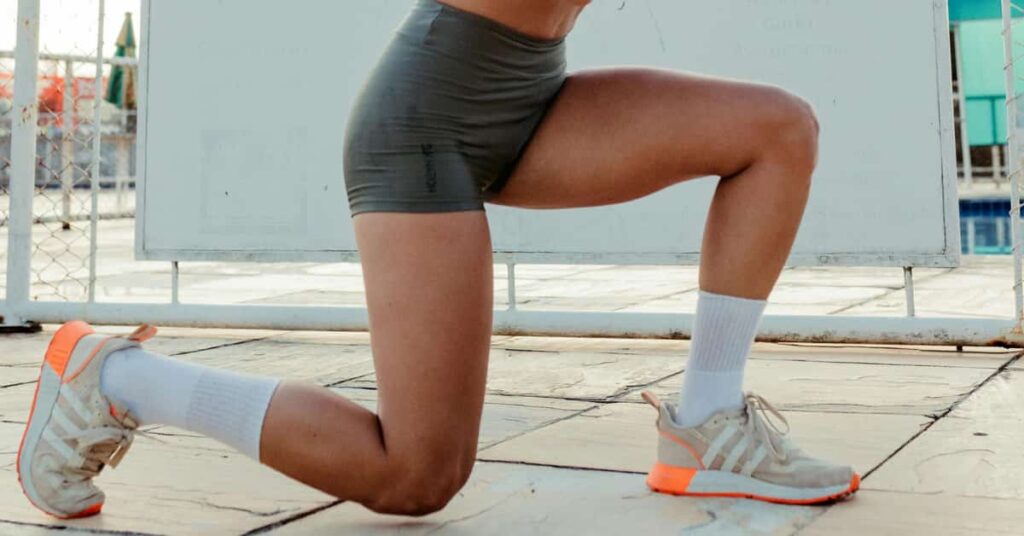
Lunges are a compound exercise or movement, meaning they work multiple joints & muscle groups simultaneously. While they are mostly known as a lower-body powerhouse, they also need significant stability from your upper body & core.
Primary Muscle Groups
- Quadriceps: These four muscles on the front of the thigh are the main drivers. They work to control the descent and provide the power needed to push back up to a standing position.
- Gluteus Maximus: Your most significant buttock muscle is heavily engaged to extend the hip. Taking a slightly longer step forward can increase the focus on the glutes.
- Hamstrings: Located on the back of the thigh, these act as “brakes” to help you control the lowering phase and support the glutes during the push-up.
Secondary & Stabilizing Muscles
- Adductors: The inner thigh muscles work hard to keep the legs aligned & prevent the knees from wobbling or “caving in.”
- Calves: The gastrocnemius and soleus muscles stabilize the ankles and help you push off the ground, particularly in walking lunges.
- Core (Abs & Lower Back): Your core acts as a stabilizer, keeping the torso upright and preventing you from tipping over while standing on a narrow base.
- Gluteus Medius: This minor glute muscle on the side of the hip is critical for balance, keeping the pelvis level throughout the move.
Lunges benefits
Lunges’ benefits are:
1. Corrects Muscle Imbalances
Most individuals have one leg that is slightly stronger or more dominant than the other. Lunges isolate each side, preventing the “strong” leg from overcompensating for the “weak” one. It is important for long-term injury prevention.
2. Enhances Balance and Coordination
Because you are standing on a narrow base of support, lunges challenge proprioception (the brain’s ability to sense the body’s position in space). It builds the stabilizing muscles in the ankles and knees, which are crucial for athletes and for maintaining mobility as you age.
3. Boosts Functional Strength
Lunges mimic real-life activities more closely than almost any other gym exercise. Whether you are climbing stairs, stepping over an object, or sprinting, you are essentially acting out variations of a lunge. It makes everyday tasks feel more effortless and more fluid.
4. Increases Hip Flexibility
The lunge puts the back leg into a “hip extension” position, providing a deep stretch for the hip flexors. Since many of us spend hours sitting, our hip flexors become tight; lunges help “open up” the hips while simultaneously strengthening them.
Lunges variations
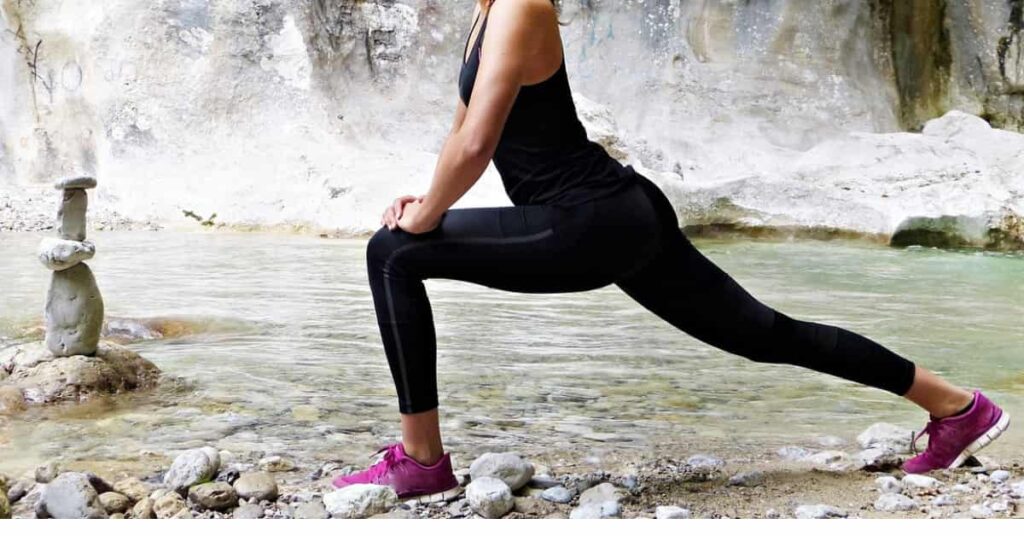
Lunge variations allow you to target specific muscle groups and movement planes, making the workouts more dynamic. By simply changing the direction of the step or the elevation of the feet, you may shift the focus from the quad to the glutes or even the inner thighs.
Directional Variations
- Forward Lunge: The classic version. It is quad-dominant because the deceleration required to stop the forward momentum puts a heavy load on the front of your thighs.
- Reverse Lunge: By stepping backward, you keep your front shin more vertical. It shifts the emphasis to the glutes and hamstrings and is significantly gentler on the knees.
- Lateral (Side) Lunge: Unlike forward/back lunges, this moves in the frontal plane. It is the best variation for targeting the inner thighs (adductors) and improving side-to-side stability.
- Curtsy Lunge: By stepping the back leg behind and across the front leg, you isolate the gluteus medius (side of the hip). It is excellent for hip stability and “sculpting” the outer glutes.
Level-Up & Skill Variations
- Walking Lunge: Adds a cardiovascular element and requires greater balance, as you move continuously through space.
- Deficit Lunge: Elevating either the front or back foot on a small platform (like a weight plate) increases the range of motion. It allows the muscles to stretch further under tension, leading to more muscle growth.
- Pendulum Lunge: A high-skill variation where you step directly from a forward lunge into a reverse lunge without the foot touching the ground in the middle. It is an elite test of balance and core control.
- Jumping (Plyometric) Lunge: An explosive version where you switch legs mid-air. It builds power & raises the heart rate quickly, making it a staple for HIIT or athletic training.
Precautions and Common Errors
While lunges are highly effective, they are also one of the most frequently “faked” exercises. Because they need balance & coordination, many people unknowingly use momentum or poor angles that may lead to knee or back pain.
Common Form Errors
- The “Tightrope” Stance: Many beginners step their front foot directly in front of their back foot. This narrows the base of support, making you wobble.
- The Fix: Imagine you are standing on train tracks, not a tightrope. Keep the feet hip-width apart as you step forward or back.
The Knee “Dive”: This is when the front knee collapses inward toward the big toe as you lower down. It puts excessive rotational stress on the ACL (Anterior cruciate ligament) and the knee joint.
- The Fix: Focus on driving the knee slightly outward so it stays aligned with the second or third toe.
- Leaning Too Far Forward (or Back): Rounding the shoulders or leaning the chest over the front knee shifts all the weight into the joints rather than the muscles. Conversely, leaning too far back can strain the lower back.
- The Fix: Keep the core braced and the spine neutral. Think of the torso like an elevator—move straight up and down, not like an escalator moving diagonally.
- The “Knee Slam”: Dropping too quickly and hitting the back knee on the floor.
- The Fix: Control the descent (the “eccentric” phase). Your back knee should only “kiss” the floor or hover an inch above it.
Safety Precautions
- Knee Sensitivity: If you experience “sharp” pain in the front of the knee, avoid Forward Lunges. Switch to Reverse Lunges, keeping the front shin vertical and placing the load on the glutes rather than the kneecap.
- The 90/90 Rule: Aim for both the front and back knees to form roughly 90-degree angles at the bottom of the movement. If the step is too short, the front knee will shoot too far past your toes; if it’s too long, you’ll lose power and stability.
- Heel Connection: Never let the front heel lift off the ground. All the driving power should come through the midfoot and heel. If the heel lifts, the step is likely too short, putting excessive pressure on the patellar tendon.
- Warm-up First: Never start with weighted lunges. Perform at least one set of 10–12 bodyweight lunges per leg to “wake up” your stabilizing muscles and lubricate the joints.
Conclusion
The lunge is a cornerstone of functional movement or exercise, offering a unique blend of strength, balance, & flexibility that few other exercises may match. By forcing each leg to work independently, it effectively eliminates muscle imbalances while building a stable, resilient lower body. Whether you are using bodyweight to improve mobility, dumbbells to enhance coordination, or a barbell to build raw power, the versatility of the lunge makes it an indispensable tool for everyone from beginners to elite athletes.
However, the effectiveness of the lunge is entirely dependent on technical precision. Prioritizing a stable “train track” stance, maintaining a vertical front shin, and ensuring a controlled descent will protect the joints & ensure the tension remains on the muscles. By varying the direction stepping forward for quads, backward for glutes, or laterally for hip stability, you may keep the routine challenging & comprehensive.
Ultimately, mastering the lunge is about more than just gym performance; it is about building the functional strength needed for a more active, injury-free life.
[…] prevent the knees from caving inward during compound movements or training like squats & lunges, thereby reducing the chance of ACL & IT band injuries. Incorporating resistance bands or ankle […]
[…] Squat and Lunge Form: Training the calves through a full range of motion (especially if done off a step) enhances […]