

Table of Contents
Introduction
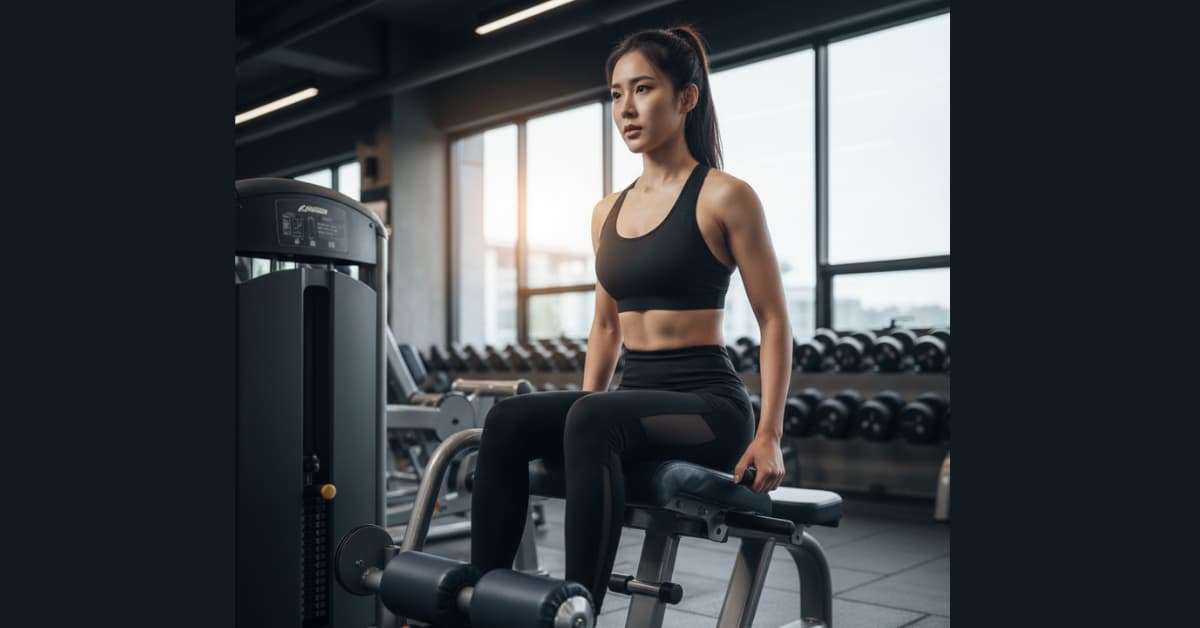
The leg curl, also understood as the hamstring curl, is a famous isolation exercise or movement that targets the posterior chain, especially the three main hamstrings: the biceps femoris, semitendinosus, & semimembranosus. Performed by flexing the lower leg against resistance toward the glutes, this exercise effectively isolates the back of the thighs, which are often neglected in favor of the quadriceps during compound lifts like squats.
While commonly performed on a specialized gym machine in a lying, seated, or standing position, it can also be adapted at home with dumbbells, resistance bands, or stability balls. By developing these muscles, the leg curl plays a vital role in balancing leg strength, improving sprinting and jumping performance, and protecting the knee joints from injury.
Leg Curl
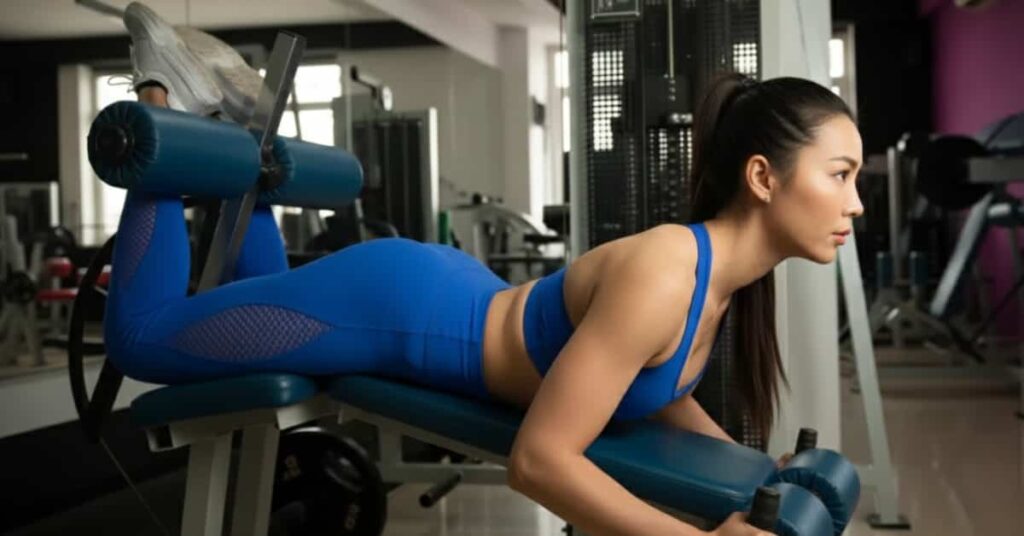
The leg curl is a fundamental isolation exercise primarily used to develop the hamstrings, the muscle group on the back of the thighs. Leg curls work because they copy the natural way the legs bend, making it easier to grow and strengthen the back of the thighs than just doing squats. You can do them almost anywhere, using gym machines or simple moves at home, like sliding the feet on the floor or using a fitness ball. Beyond aesthetics, the training is a staple in physical therapy and athletic training because it balances lower-body strength, especially reducing the risk of ACL tears and other knee injuries.
Leg Curl Machine
A leg curl machine is a technical piece of gym equipment designed to isolate the hamstrings through a fixed, guided path of motion. Maintaining a stable body position and providing resistance as you flex the knees creates a high degree of muscle tension, which is tough to achieve with free weights.
There are three primary versions of the machine found in most commercial gyms:
1. Seated Leg Curl
It is the most common variation. You sit upright with the thighs secured by a lap pad and the lower legs resting on a roller.
- Advantage: Study indicates this variation leads to the most significant muscle growth because it trains the hamstrings in a “lengthened” state (with the hips flexed).
- Best for: General hypertrophy and those who find the lying position uncomfortable for their lower back.
2. Lying (Prone) Leg Curl
You lie face down on a bench that is often slightly angled to reduce stress on the lower back.
Advantage: This position permits a very powerful contraction at the top of the movement. It tends to engage the upper hamstrings and calves (gastrocnemius) more heavily than the seated version.
Best for: Focusing on the “mind-muscle connection” and peak contraction strength.
3. Standing Leg Curl
This machine isolates typically one leg at a time while you stand upright, leaning slightly against a support pad.
Advantage: Ideal for correcting muscle imbalances between your left and right legs.
- Best for: Unilateral (one-sided) training and functional knee stability.
Leg Curl Target Muscles
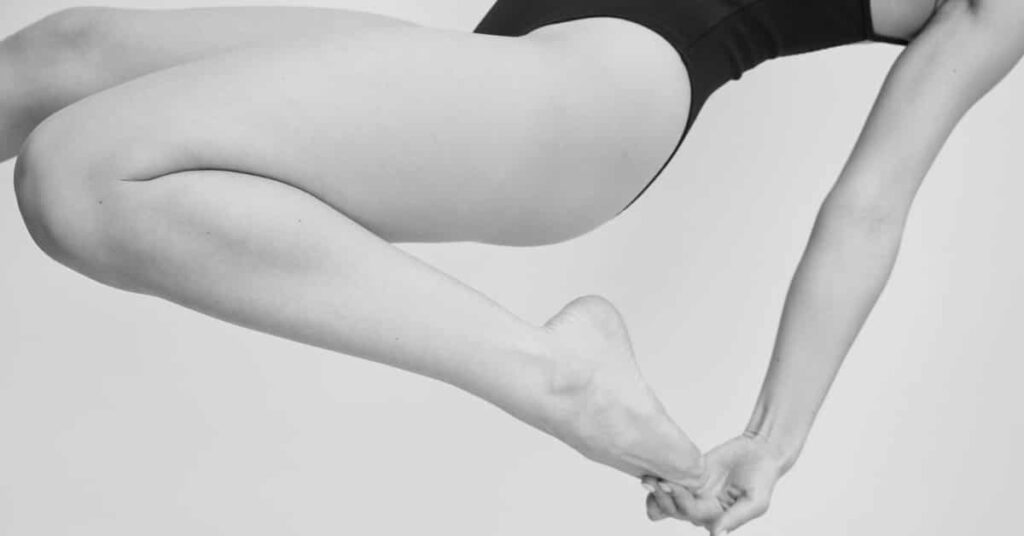
While the leg curls are an isolation exercise or movement, they engage a distinct group of muscles in the posterior chain to both drive the movement and stabilize your body.
1. Primary Muscles (The Agonists)
The leg curl’s primary purpose is to target the hamstrings, which consist of three distinct muscles:
- Biceps Femoris: Located on the outside (lateral side) of the back of the thigh. It has two “heads,” a long head and a short head.
- Semitendinosus: Located in the middle-to-inner part of the back of the thigh.
- Semimembranosus: The innermost of the three muscles, situated deep to the semitendinosus.
2. Secondary Muscles (The Synergists)
These muscles assist the hamstrings in performing the “curl” or bending of the knee:
- Gastrocnemius (Calves): This is the large muscle of the calf. Because it crosses the back of the knee joint, it helps “pull” the weight up during the curl.
- Sartorius & Gracilis: These smaller muscles on the inner thigh assist in knee flexion.
- Popliteus: A small muscle found right behind the knee that allows initiation of the bending motion.
3. Stabilizing Muscles (The Fixators)
Depending on the machine variation (seated vs. lying), other muscles work to keep the body still so the hamstrings can do the heavy lifting:
- Glutes: Help stabilize the hips and pelvis.
- Tibialis Anterior: This muscle is on the front of the shin; it is often engaged if you flex the toes toward the shin to keep the pad secure.
- Core (Abs & Lower Back): Especially in the lying leg curl, the core must stay tight to prevent the hips from lifting off the bench and to protect the lower spine.
Leg Curl Benefits
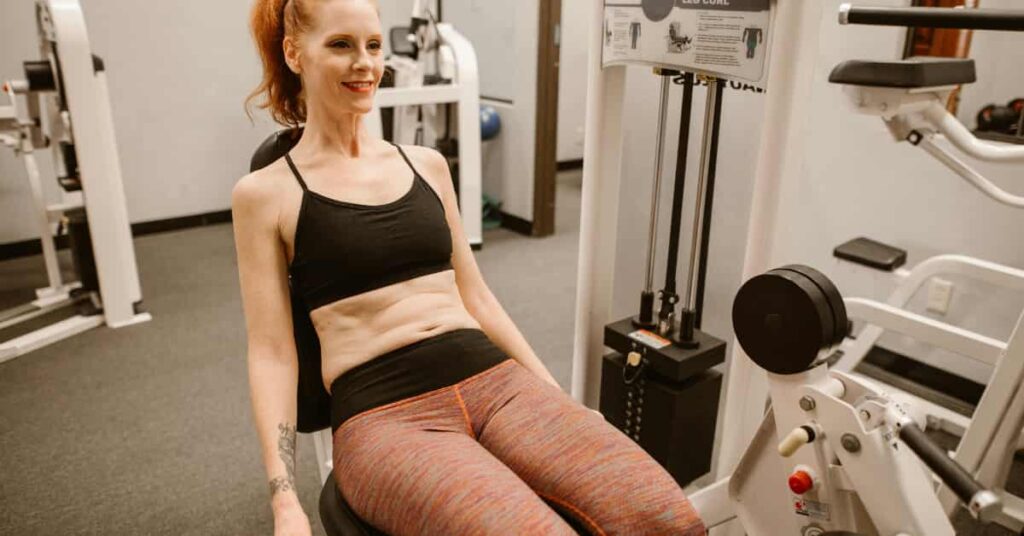
Beyond building impressive “muscle peaks” on the back of the thighs, the leg curl offers several functional and structural advantages, making it a staple in both bodybuilding and athletic training.
1. Knee Health and Injury Prevention
The hamstrings play a very crucial role in stabilizing the knee joint.
- ACL Protection: Strong hamstrings act as a secondary stabilizer for the Anterior Cruciate Ligament (ACL). They help prevent the tibia (shin bone) from sliding to far forward relative to the femur, a common cause of ACL tears.
- Correcting Imbalances: Many individuals are “quad-dominant,” meaning the muscles on the front of the thigh are incredibly stronger than those on the back. This imbalance creates a “tug-of-war” on the knee joint; leg curls help restore a healthy Hamstring-to-Quad strength ratio, lessening chronic knee pain.
2. Explosive Athletic Performance
While compound lifts like squats build general power, the leg curl isolates the exact “pulling” power needed for:
- Sprinting: The hamstrings are the direct muscles utilized to decelerate the leg & pull the ground toward you during a stride.
- Jumping: They provide the essential “snap” at the top of a jump & help absorb impact on landing.
3. Lower Back Support & Posture
The hamstrings are attached to the pelvis. When they are weak or overly tight, they can force the pelvis to tilt, leading to lower back pain.
- Supporting the hamstrings through a full range of motion helps maintain a neutral pelvic tilt, which naturally improves the standing posture and decreases pressure on the lumbar spine.
4. Direct Muscle Hypertrophy (Growth)
Because the hamstrings are made of two different kinds of muscle fibers, they respond best to a mix of heavy compound movements (like deadlifts) & isolation movements (like leg curls).
- Isolation Focus: Unlike deadlifts, leg curls don’t fatigue the lower back or grip strength, permitting you to train the hamstrings to absolute failure safely.
- The “Seated” Advantage: Analysis indicates that seated leg curls may be slightly superior for growth because they stretch the hamstrings at the hip while they work at the knee, creating more “tension-under-stretch.”
Leg Curl Variations
To maximize hamstring development, you can adjust the leg curl to suit your specific goals. While the basic movement remains the same, these variations emphasize different parts of the muscle and place varying amounts of tension on the joint.
1. Positional Variations
The three main machine kinds offer different mechanical advantages:
- Seated Leg Curl: Widely considered the “king” for muscle growth. Because the hips are flexed (bent), the hamstrings are lengthened. Analysis shows that training muscles at long lengths leads to more hypertrophy (size).
- Lying (Prone) Leg Curl: Excellent for peak contraction. It allows you to use heavy weight and is often preferred by athletes who need explosive power, as it mimics the “kick-back” phase of a sprint.
- Standing Leg Curl: Performed one leg at a time (unilateral). It is the best choice for fixing muscle imbalances where 1 leg is stronger than the other.
2. Foot & Toe Adjustments (The “Mind-Muscle” Hack)
Small changes in the foot position can shift the focus to different parts of the hamstring:
- Toes Pointed In: Shifts the emphasis to the inner hamstrings (semitendinosus and semimembranosus).
- Toes Pointed Out: Shifts the focus on the outer hamstring (biceps femoris).
- Toes Up (Dorsiflexed): Engages the hamstrings more purely by “disabling” the calf muscles’ contribution.
- Toes Pointed Away (Plantarflexed): Allows the calves to assist, which can help you move heavier weights but may slightly lower the isolation of the hamstrings.
3. Advanced Technique Variations
- Eccentric-Focused Curls: Lift the weight at a normal speed, but take 4–5 seconds to lower it. This “negative” phase is where the most strength and injury resistance are built.
- 1 ½ Reps: Curl the weight all the way in, release it halfway, curl it back in again, and then lower it fully. It keeps the muscle under tension for longer.
- Banded Leg Curls: Adding a resistance band to a machine (or doing them purely with bands) creates “accommodating resistance,” meaning the exercise gets harder at the very top, where the muscle is most contracted.
Precautions and Common Errors
To get the most out of leg curls while staying injury-free, focus on proper alignment and controlled movement. Because the hamstrings are prone to strains and the exercise involves the delicate knee joint, avoiding these common errors will significantly improve the results.
1. Common Errors
- Lifting the Hips: In the lying leg curl, a widespread mistake is allowing the hips to pop up off the bench as you curl. It shifts the load to the lower back and reduces hamstring activation. The Fix: Press the hips firmly into the pad and engage the core throughout the set.
- Using Momentum: Jerking the weight up or letting it “crash” down removes the tension from the muscle, risking joint strain. The Fix: Use a controlled tempo, such as 2 seconds to curl up and 3 seconds to lower down.
- Misaligning the Knee: If your knee is not aligned with the machine’s pivot point (the circular hinge), the pad will slide along the leg, creating friction and putting excessive force on the knee joint.
- Pointing the Toes (Plantarflexion): While not “wrong,” pointing your toes away from you engages the calves more. If the goal is pure hamstring isolation, keeping the feet “flat” or toes toward the shins (dorsiflexion) is more effective.
- Incomplete Range of Motion: Stopping halfway down or not curling all the way to the glutes misses the most beneficial parts of the exercise (the deep stretch and peak contraction).
2. Safety Precautions
- Weight Selection: Always start lighter than you think you need. High-weight leg curls with poor form are a leading cause of lower back tweaks in the gym.
- Ankle Pad Placement: The roller pad should rest just above the heels on the lower part of the calves. If it sits too high on the calf, it can strain the Achilles tendon; if it’s on the heels, it may feel unstable.
- Don’t “Snap” the Knees: At the bottom of the movement (full extension), avoid locking your knees out forcefully. Keep a “micro-bend” to maintain muscle tension and protect the joint.
- Pre-existing Conditions: If you have a history of ACL tears, lower back herniations, or severe knee instability, consult a professional. The seated variation is generally safer for those with lower back issues as it provides more spinal support.
Conclusions
In conclusion, the leg curl is an essential isolation exercise for anyone looking to build a balanced, resilient, and high-performing lower body. While compound movements or activities like squats and deadlifts are foundational, the leg curl provides the specific knee-flexion resistance needed to fully develop the hamstrings and protect the knee joints from injury.
Whether you utilize the muscle-building stretch of the seated machine, the intense contraction of the lying variation, or the functional challenge of bodyweight alternatives, the key to success lies in strict form, controlled tempo, and proper joint alignment. By prioritizing the hamstrings as much as the quadriceps, you ensure a stronger posterior chain, better athletic explosive power, and long-term joint health.