

Table of Contents
Introduction
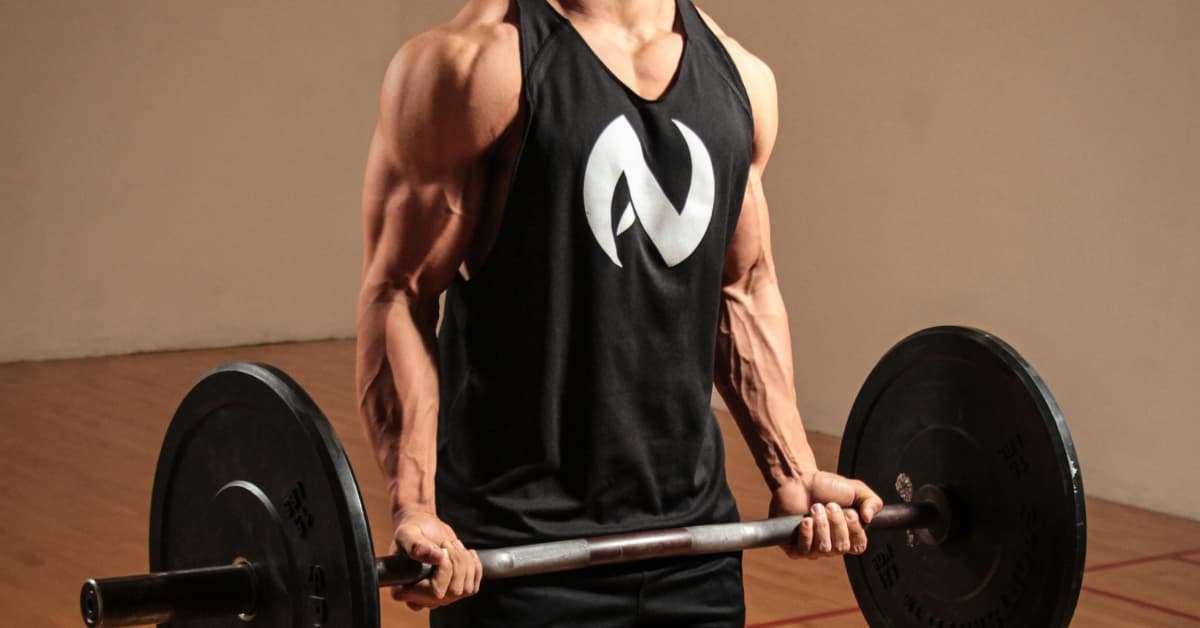
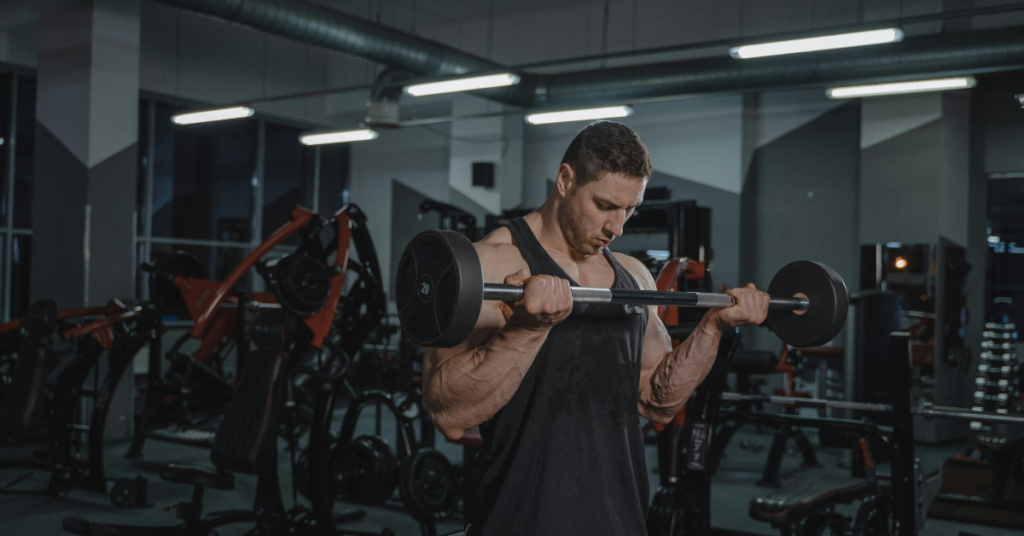
The barbell curl is a fundamental isolation training or movement in weight training, mainly used to build strength and hypertrophy in the biceps brachii. Conducted by gripping a weighted barbell with an underhand (supinated) grip & curling it toward the chest through elbow flexion, this movement or exercise also employs the brachialis and brachioradialis to enhance overall arm thickness and grip strength. Unlike dumbbell variations, the barbell version permits heavier loading and a fixed range of motion, making it a “gold standard” for progressive overload in arm development. Keeping a stable torso and pinning the elbows to the sides are necessary to isolate the target muscles and prevent momentum, ensuring the biceps remain under constant tension for maximum effectiveness.
Barbell Curl
Beyond its reputation as a “beach muscle” builder, the barbell curl is a vital functional movement that enhances pulling strength, which carries over to compound lifts like rows and pull-ups. By using different equipment variations, such as the EZ-curl bar, lifters may alter the wrist angle to lessen joint strain or shift the emphasis between the long and short heads of the biceps.
Proper execution needs a strong mind-muscle connection; it is often suggested to perform the eccentric (lowering) phase slowly to maximize micro-tears in the muscle fibers, which trigger growth. Whether utilized as a primary strength builder or a high-repetition finisher, the barbell curl stays a versatile staple for anyone peeking to enhance both the aesthetics and the functional capacity of their upper body.
Barbell Curl form and instructions
Step-by-Step Instructions
- The Setup: Stand with the feet hip-width apart & little bent knees for a stable base. Grasp the barbell bar with an underhand (supinated) grip, hands positioned about shoulder-width apart.
- Starting Position: Have the bar at hip level with the arms fully extended. Pull the shoulders back & down, engage the core, and “pin” the elbows to the ribcage.
- The Curl: Exhale as you lift the bar toward the chest by flexing the elbows. Focus on moving only the forearms; keep the upper arms & torso perfectly still.
- The Peak: At the top of the movement, squeeze the biceps hard for one second. The bar should be near shoulder height, but not relaxing on the chest.
- The Descent: Inhale & lower the bar slowly and with control back to the starting position. This eccentric phase should take about 2–3 seconds to maximize muscle growth.
Barbell Curl Target Muscles
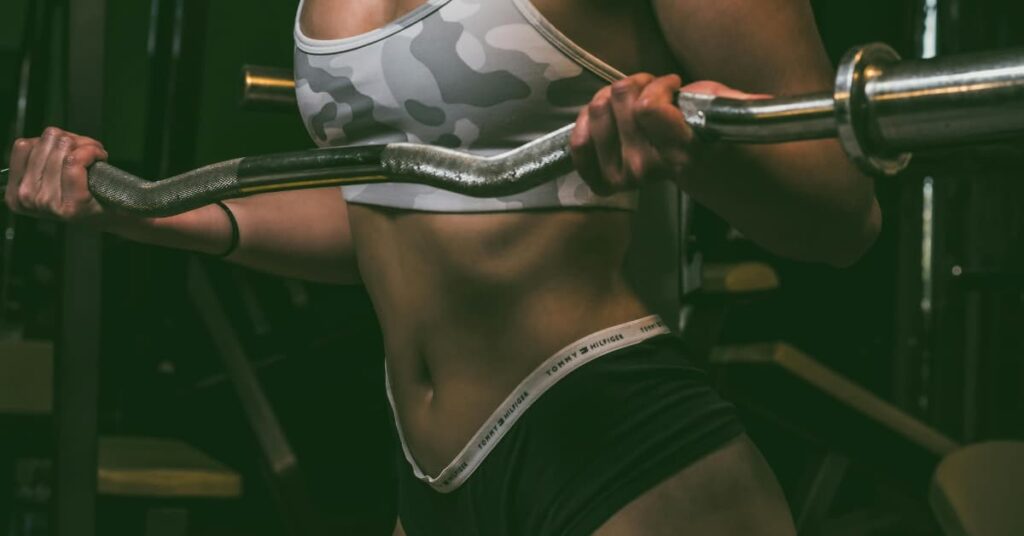
While the barbell curl is famously understood for building the “bicep peak,” it really recruits a synergistic group of muscles in the upper arm and forearm. Comprehending these targets may help you focus on the mind-muscle connection for better growth.
Primary Muscles (The “Movers”)
These muscles do the heavy lifting during the elbow flexion phase:
Biceps Brachii: This is the large, two-headed muscle on the front of the upper arm.
Long Head (Outer): Reliable and Responsible for the “peak” of the bicep.
Short Head (Inner): Responsible and Reliable for the thickness and width of the arm when viewed from the front.
Brachialis: Found underneath the biceps brachii, this muscle is actually the strongest flexor of the elbow. Developing the brachialis “pushes” the biceps up, making the arms look larger & more peaked.
Brachioradialis: A prominent muscle in the forearm that assists with elbow flexion, particularly in the middle of the lifting phase.
Secondary & Stabilizing Muscles
These muscles support the movement and keep the body in the correct position:
- Forearm Flexors: Engaged to maintain a secure grip on the barbell throughout the set.
- Anterior Deltoids (Front Shoulders): Act as minor stabilizers to keep the weight steady at the beginning of the movement.
- Core (Rectus Abdominis & Obliques): These muscles contract isometrically to prevent the torso from swaying or leaning back.
- Lower Back (Erector Spinae): Works to maintain a neutral spine & prevent hunching under heavy loads.
Targeting Different Areas with Grip Width
You may shift the emphasis between the long & short heads of the bicep by simply changing where you hold the bar:
Grip Width Primary Target Benefit
| Grip Width | Primary Target | Benefit |
| Narrow Grip (Inside shoulders) | Long Head (Outer) | Enhances the “peak” and height of the bicep. |
| Standard Grip (Shoulder width) | Even Distribution | Best for overall mass and balanced development. |
| Wide Grip (Outside shoulders) | Short Head (Inner) | Increases the thickness and width of the inner arm. |
Barbell Curl Benefits
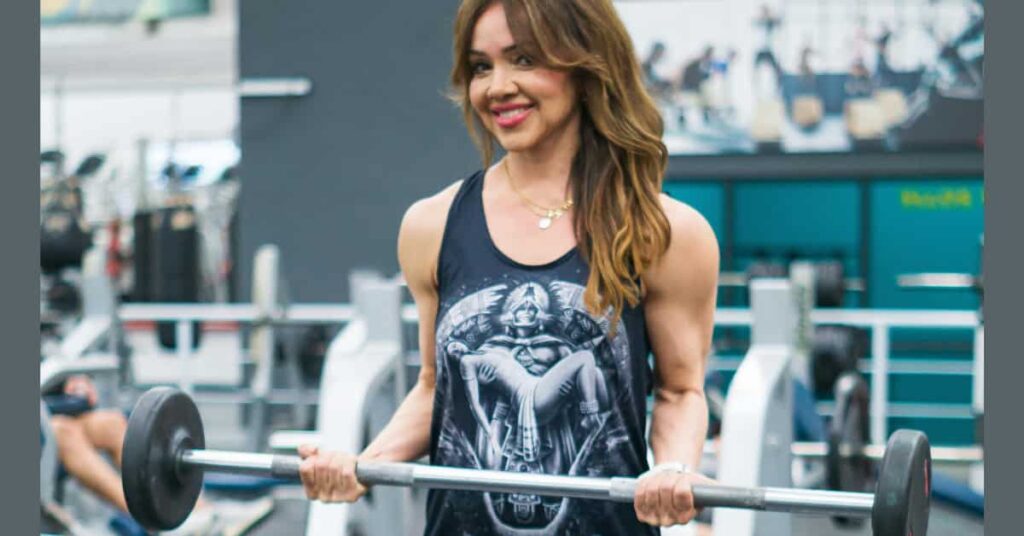
While many individuals view the barbell curl as purely an aesthetic training, its benefits extend far beyond just building bigger arms. It is a foundational exercise that improves the performance in other major lifts & enhances daily functional strength.
1. Maximum Loading and Hypertrophy
The barbell curl is the Hero of bicep workouts because it allows for maximal loading. Unlike dumbbells, which need each arm to stabilize the weight independently, the barbell permits both arms to work together. This stability will enable you to lift heavier weights, which is the direct driver for progressive overload and long-term muscle growth.
2. Improved Pulling Strength
The biceps are critical “secondary movers” in almost every upper-body pulling movement. By strengthening the biceps with barbell curls, you create a stronger link in the kinetic chain, which directly improves the performance in:
- Weighted Pull-ups & Chin-ups
- Bent-over Barbell Rows
- Deadlifts (specifically the ability to maintain a secure grip & arm tension)
3. Enhanced Grip and Forearm Power
Holding a heavy, thick bar for multiple sets forces the forearm flexors & brachioradialis to work overtime. Over time, this builds a crushing grip, which is highly functional for everything from opening stubborn jars to carrying heavy groceries to preventing the bar from slipping during heavy deadlifts.
4. Joint Stability and Injury Prevention
When performed with strict form, barbell curls strengthen the tendons around the elbow & shoulder joints.
- Shoulder Health: The “long head” of the bicep crosses the shoulder joint and allows stabilization of the humeral head (the top of the arm bone) within the socket.
- Elbow Resilience: Consistent training thickens the connective tissues, allowing them to protect against common problems like “golfer’s elbow” (medial epicondylitis).
Barbell Curl Variations
Here is a breakdown of the Barbell Curl variations organized by their specific exercise goals:
Focus on Isolation and Form
- Preacher Curl: By resting the arms on an angled bench, you physically lock the elbows in place. It eliminates the ability to utilize momentum (body sway), placing extreme isolation on the short head of the bicep for better thickness.
- Spider Curl: Performed while lying chest-down on an incline bench with the arm hanging straight down. This variation supplies a unique resistance profile, with tension highest at the very top of the action, maximizing the “squeeze” or peak contraction.
Focus on Mechanical Advantage and Comfort
- EZ-Bar Curl: The most famous alternative to the straight bar. The zig-zag shape permits you to use a semi-supinated grip, significantly decreasing torque and strain on the wrists & elbows.
- Drag Curl: Instead of curling the bar in an arc, you pull the bar straight up the torso by driving the elbows backward. It minimizes shoulder involvement and puts a massive load on the long head (the outer part) of the bicep.
Focus on Forearms and Grip
- Reverse Barbell Curl: Performed with an overhand (pronated) grip. It shifts the direct load from the biceps to the brachioradialis & brachialis, making it the best variation for building thick, strong forearms.
- Barbell 21s: This is a high-intensity technique rather than a postural change. You perform seven reps in the bottom half of the range, seven reps in the top half, & seven full-range reps. It is designed to maximize blood flow (the “pump”) and muscle endurance.
Focus on Raw Power
- Cheat Curls: A variation used by advanced lifters where a slight hip hinge & controlled momentum are utilized to get a heavier-than-normal weight past the “sticking point.” The focus here is on a very slow, regulated eccentric (lowering) phase to overload the muscle fibers.
Barbell Curl Alternatives
If you don’t have access to a barbell, or if you find the fixed position of the bar uncomfortable, several highly effective alternatives target the same muscle groups.
Dumbbell-Based Alternatives
- Standard Dumbbell Curls: These allow the arms to move independently, address muscle imbalances, and let the wrists rotate naturally into a more comfortable position.
- Hammer Curls: By holding the dumbbells with the palms facing each other (neutral grip), you shift the focus to the brachialis & brachioradialis, adding significant thickness to the side of the arms.
- Incline Dumbbell Curls: Performed sitting on an incline bench, this puts the biceps in a fully stretched position at the bottom, which is excellent for targeting the long head and building the “peak.”
Cable and Machine Alternatives
- Standing Cable Curls: Using a cable machine delivers constant tension throughout the whole movement, whereas a barbell loses some tension at the very top.
- Cable Rope Curls: Utilizing the rope attachment lets you pull the ends apart at the top of the rep, creating an intense contraction & hitting the outer biceps.
- Machine Preacher Curls: This offers the most excellent possible stability, allowing you to focus entirely on the squeeze without worrying about balancing the weight.
Bodyweight and Band Alternatives
- Chin-Ups: This is arguably the best compound alternative. Using an underhand grip makes the biceps the primary mover, allowing you to move the entire bodyweight for massive strength gains.
- Resistance Band Curls: These are unique because the resistance increases as you reach the top of the curl (when the band is most stretched), which matches the muscle’s strength curve.
- Inverted Rows (Underhand): If you can’t do a full chin-up, completing rows on a low bar with an underhand grip delivers a similar bicep-heavy pulling movement.
Precautions and Common Errors
While the barbell curl is a staple movement, it is also one of the most frequently performed with poor form. To stay safe and secure, you’re actually growing the biceps (rather than just straining the back), keep the following points in mind:
Common Errors to Avoid
- The “Ego” Swing: This is the most frequent mistake where the lifter uses their hips & lower back to “swing” the weight up. It shifts the tension away from the biceps and puts the lumbar spine at a high risk of injury.
- Elbow Drifting: Many individuals allow their elbows to travel forward or flare out during the lift. If your elbows move forward, the front shoulders (deltoids) take over; if they flare out, you lose the mechanical benefit and strain the joint.
- Losing the Negative: Dropping the bar quickly after the curl is a missed opportunity. The eccentric phase (lowering) is where the most muscle fiber damage and subsequent growth occur.
- Wrist Over-Flexion: “Curling” the wrists toward the body at the top of the rep can put unneeded strain on the forearm tendons and lead to tendonitis.
- Half-Reps: Stopping the movement before the arms are fully extended at the bottom prevents the bicep from being trained in its most vulnerable & growth-prone stretched position.
Key Safety Precautions
- Engage Your “Foundation”: Before you start the curl, squeeze the glutes & brace the core. It creates a rigid pillar that prevents the torso from swaying.
- Check Your Grip Tension: Gripping the bar too tightly can lead to “forearm splints” or elbow pain. Try a firm but comfortable grip, focusing the pull through the pinky fingers to better activate the biceps.
- Keep a Neutral Spine: Avoid looking down at your feet or up at the ceiling for extended periods. Keep the chin tucked slightly and the gaze forward to protect the neck.
- Listen to Your Wrists: If a straight barbell causes sharp pain in the wrists, stop immediately. It is often due to a lack of wrist mobility, and switching to an EZ-Curl bar is the safest fix.
- Warm Up the Joints: The biceps tendon is relatively thin. Always start with a very light set (or just the empty bar) to lubricate the elbow & shoulder joints before moving to the working weight.
Conclusion
In closing, the barbell curl remains the definitive cornerstone for anyone seeking to maximize upper-arm development & pulling power. Its amazing ability to handle heavy loads makes it an outstanding tool for progressive overload, as long as strict form and joint safety are prioritized over the amount of weight on the bar.
By strategically including variations like the EZ-bar curl for convenience or the preacher curl for isolation, you can actually target all areas of the biceps and forearms to prevent plateaus. Finally, consistency and a strong mind-muscle link are what transform this simple activity into a powerful builder of both physical strength & aesthetic symmetry.
[…] Relief: It decreases the twisting strain (supination) required for barbell curls, making it a go-to for lifters with wrist […]