Table of Contents
Introduction
The barbell squats is mainly considered the “king of all exercises” for its ability to build lower-body strength, explosive power, and functional muscle mass. By supporting a weighted barbell across the upper back—normally the trapezius or rear deltoids and achieving a deep knee-bend motion, the lifter grips the quadriceps, hamstrings, and glutes while simultaneously requiring significant stability from the core and erector spinae.
Beyond its primary roles in hypertrophy and athletic performance, the Squat is an essential human movement pattern that enhances bone density, reinforces joint health in the hips & knees, & triggers a potent metabolic and hormonal response. Whether used in powerlifting, bodybuilding, or general fitness, mastering the barbell squats needs a blend of mobility, bracing technique, & structural balance, creating it a cornerstone of any comprehensive resistance-training program.
Barbell Squats
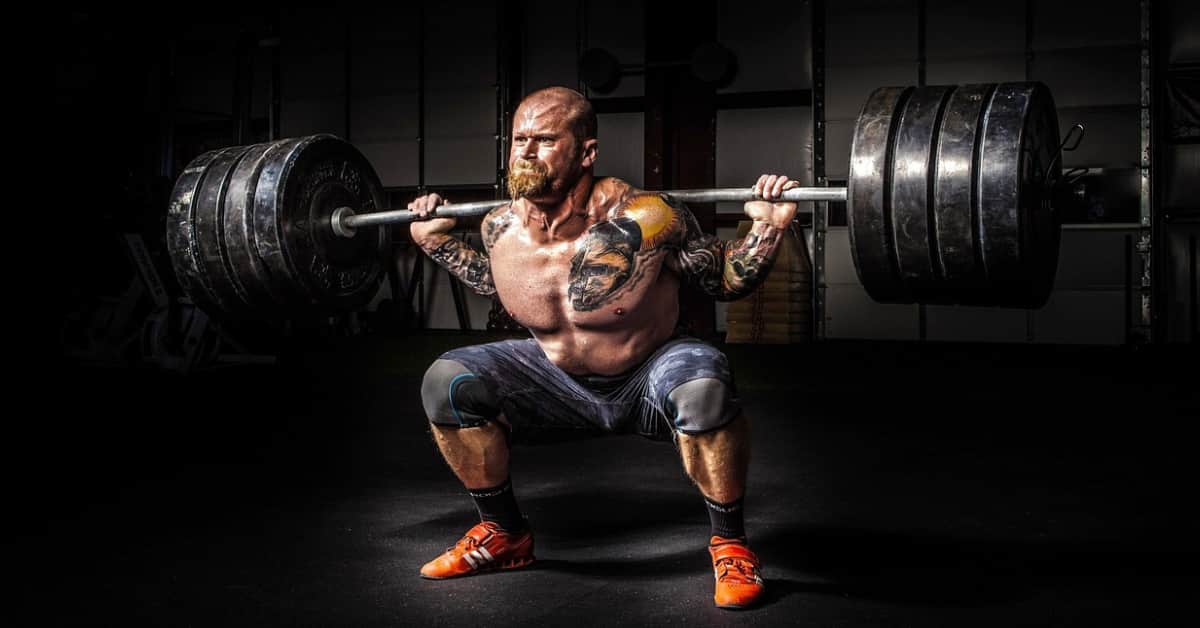
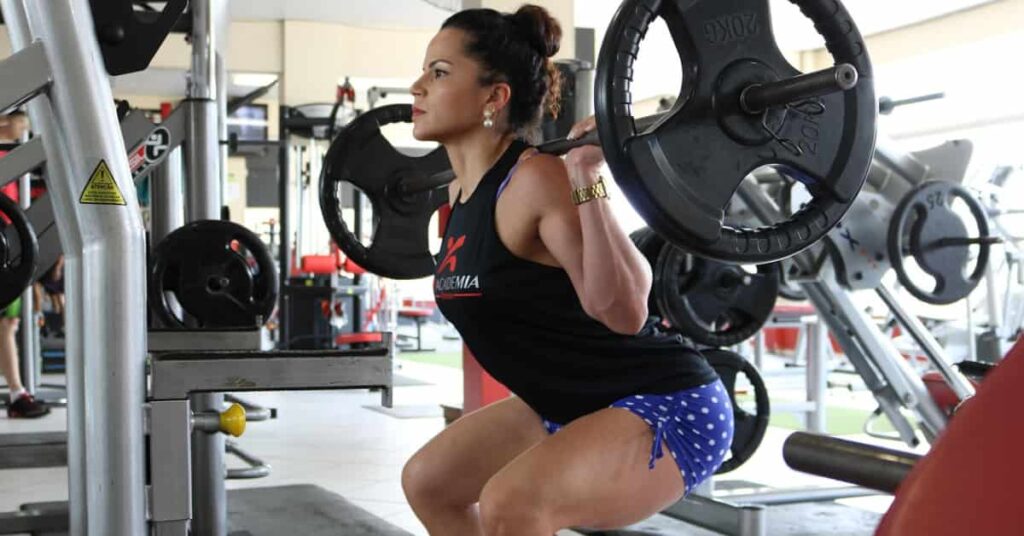
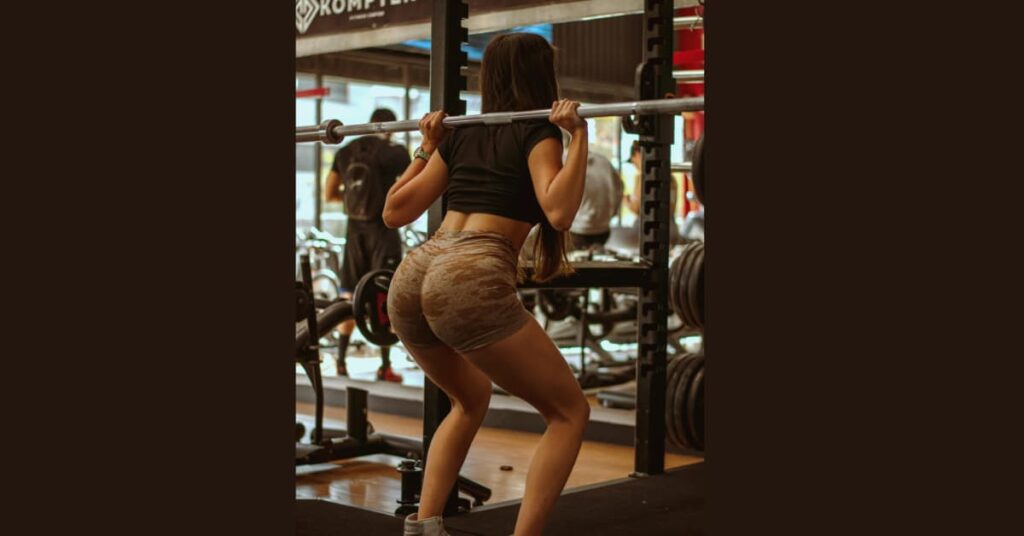
A barbell squats is a basic strength-training exercise in which you rest a weighted metal bar across the upper back and shoulders, then lower the hips as if you were sitting down into an invisible chair. Once the thighs are about parallel to the floor, you push through the heels to stand back up to the starting position. It is often called the “monarch of all exercises” because it works almost every muscle in the body at once, especially the thighs (quads), butt (glutes), and core, while improving balance and bone strength. Because you can easily add or remove weight plates from the bar, it is a great way to get stronger over time gradually.
Barbell Squats Techniques
To master the barbell squats, focus on 3 distinct phases: the setup, the descent (going down), & the ascent (coming up). Proper technique or form ensures you build maximum muscle while keeping the spine & knees safe.
1. The Setup (Preparation)
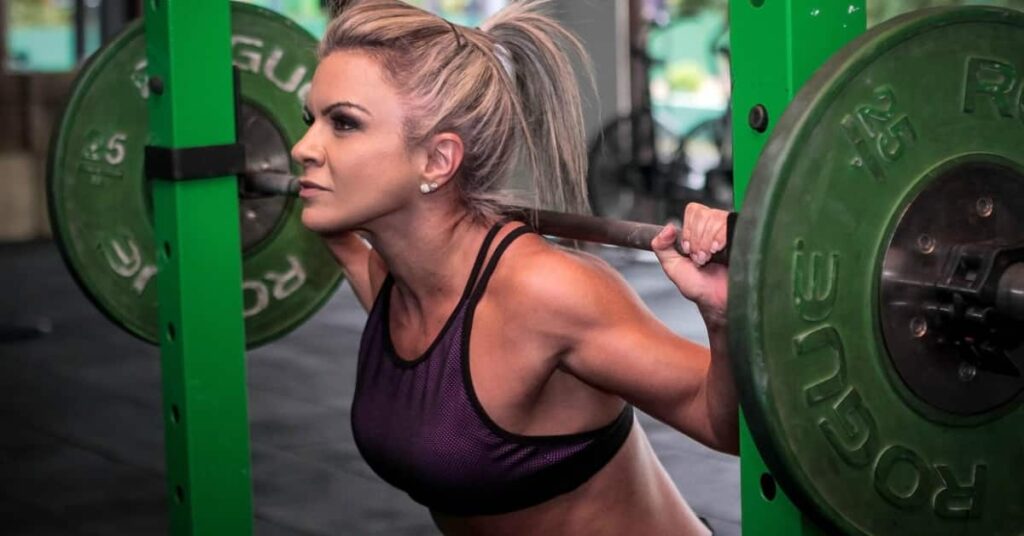
- Bar Placement: Set the bar at chest height on the rack. Step under and rest it on the “meat” of the upper traps (High Bar) or slightly lower across the rear shoulders (Low Bar).
- Grip & Tightness: Grip the bar firmly. Pull the elbows down and back to create a solid “shelf” of muscle.
- The Unrack: Stand up to lift the bar, then take two or three small steps back.
- Stance: Set the feet about shoulder-width apart with the toes pointed slightly outward (about 15–30 degrees).
2. The Descent (Going Down)
- Bracing: Take a big breath into the belly (not your chest) & flex the abs like you’re about to be punched. It protects the spine.
- The Movement: Start by breaking at the hips and knees simultaneously. Sit back and down as if lowering yourself into a chair.
- Knee Tracking: Ensure the knees stay in line with the toes. Do not let them cave inward.
- Depth: Lower yourself until the hip crease is at least parallel with the top of your knees (or as low as your flexibility allows without your back rounding).
3. The Ascent (Standing Up)
- Drive: Push through your mid-foot & heels to drive the weight back up.
- Chest & Hips: Try to keep the chest and hips rising at the same speed. If the hips shoot up first, you’ll lean too far forward (often called a “squat-morning”).
- Finish: Exhale at the top and squeeze the glutes to finish the movement.
Muscles Worked in Barbell Squats
Here is a simplified list of the muscles worked during a barbell squats:
Primary Muscles (The “Engine”)
- Quads: The front of the thighs; they do the most work to straighten the legs.
- Glutes: Your butt muscles; they supply the power to push you up from the bottom.
- Adductors: Your inner thighs; they assist in stabilizing the legs and add power.
Supporting Muscles (The “Stabilizers”)
- Core: Your abs & obliques keep your spine safe and your body upright.
- Lower Back: The muscles along the spine; they prevent you from leaning too far forward.
- Hamstrings: The back of your thighs; they support the knees and hips.
- Calves: The back of your lower legs; they help you stay balanced on the floor.
Upper Body (The “Shelf”)
- Upper Back: Your traps and shoulders; the preferred place for the bar to sit.
- Rests: Your hands and forearms; they grip the bar to keep it from moving.
Barbell Squats Benefits
Here are 15 key advantages of incorporating barbell squats into the routine:
1. Massive Lower Body Strength
It is the gold standard for developing power in the quadriceps, hamstrings, and glutes. No other training allows you to load as much weight to safely stimulate these muscles.
2. Full-Body Muscle Growth
Squats are so intense that they trigger an “anabolic” (muscle-building) response throughout the entire body, assisting you in growing muscle even in areas not directly worked by the bar.
3. Core Stability & Strength
While often seen as a leg move, the Squat is a select core exercise. Your abs, obliques, & lower back must work incredibly hard to keep the torso upright and protect the spine.
4. Explosive Power and Athleticism
There is a direct link between squat strength and how high you can jump or how fast you can sprint. It trains the nervous system to quickly recruit muscle fibers.
5. Increased Bone Density
The “compressive” weight of a barbell signals the body to strengthen the skeletal system. It is vital for preventing osteoporosis and fractures as you age.
6. Boosts Natural Hormones
Heavy squatting has been shown to naturally boost the release of testosterone & growth hormone, which are necessary for recovery and vitality in both men and women.
7. High Calorie Burn
Because you are moving a heavy weight using the body’s largest muscle groups, you burn many more calories per rep than with isolation moves like bicep curls or leg extensions.
8. Improved Joint Health
When done with proper form, squats strengthen the ligaments and tendons around the knees, hips, & ankles, making the joints more stable & resilient.
9. Better Posture
Squatting teaches you to maintain a neutral spine under pressure. It translates to standing taller and sitting straighter in daily life.
10. Functional Movement
Squatting is a fundamental human movement. Strengthening this pattern makes everyday tasks, such as getting out of a car, picking up a child, or carrying groceries, much easier.
11. Fat Loss & Metabolic Rate
Muscle is metabolically “expensive” tissue. By building powerful lean mass through squats, the body burns more energy even while you are resting.
12. Enhanced Flexibility & Mobility
A full-depth squat requires and builds mobility in the ankles, hips, and upper back (thoracic spine), keeping you limber and preventing stiffness.
13. Injury Prevention
By strengthening stabilizer muscles and correcting imbalances between the left and right sides, squats help protect you from common injuries in sports and daily activities.
14. Cardiovascular Health
A heavy set of 8–12 squats will leave you huffing and puffing. It forces the heart and lungs to work harder, improving your overall aerobic and anaerobic capacity.
15. Mental Toughness
Squats are hard. Getting under a heavy bar and moving through a complex set builds a level of “grit” and mental discipline that carries over into other areas of life.
Barbell Squats variations
While the standard back squat is excellent, changing the bar placement or technique can shift the focus to different muscles or help you work around injuries.
Here are the most effective barbell squats variations:
1. Front Squat
The bar sits on the front of the shoulders (resting on the collarbone and front deltoids).
2. Low-Bar vs. High-Bar Back Squat
- High-Bar: The bar sits on the traps (the “traditional” way). It emphasizes the quads and allows for a more vertical torso.
- Low-Bar: The bar sits lower, across the rear shoulders. It allows you to lean forward more, shifting the load to the hamstrings and glutes. It is the preferred style for powerlifters because most people can lift heavier this way.
3. Zercher Squat
You hold the barbell in the crooks of your elbows against the midsection.
4. Bulgarian Split Squat
A single-leg squat where the back foot is elevated on a bench behind you.
5. Overhead Squat
You hold the barbell locked out directly over the head with a wide grip.
6. Pause Squat
You perform a normal squat but hold the bottom position for 3–4 seconds before standing up.
7. Box Squat
You sit back onto a wooden box or bench at the bottom of the rep, pause, & then drive up.
Barbell Squats alternatives
If you don’t have a barbell or find back squats awkward, you can get the same advantages using these alternatives. These are grouped by the equipment you might have available:
1. Dumbbell & Kettlebell Alternatives (Best for Home/Beginners)
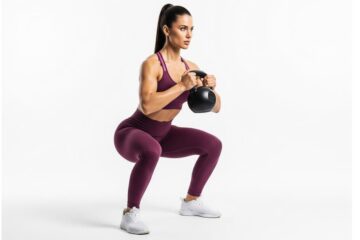
- Goblet Squat: Hold one dumbbell against the chest like a “goblet.” It is the best move for learning proper form and is very easy on the lower back.
- Dumbbell Lunges: Hold a weight in each hand and step forward or backward. It works your legs and balance simultaneously.
- Step-Ups: Step into a sturdy box or bench while holding dumbbells. It is excellent for building “real-world” strength.
2. Machine Alternatives (Best for Heavy Weight & Safety)
- Leg Press: You sit in a machine & push a platform away with your legs. It assists you in lifting very heavy weights without needing to balance a bar on your back.
- Hack Squat Machine: This machine mimics the squat motion but supports the back against a pad, focusing almost all the effort on your quads.
- Smith Machine Squat: This uses a barbell fixed on tracks. It’s a good middle ground if you want to squat but feel unstable with a free-moving bar.
3. Specialized Barbell Alternatives
- Trap Bar Deadlift: Uses a diamond-shaped bar that you stand inside. It’s a mix between a squat and a deadlift and is much safer for the lower back than a traditional back squat.
- Bulgarian Split Squat: Put one foot back on a bench and squat with the other. It is famous for being “brutal” because it targets the glutes and quads intensely with very little weight needed.
- Landmine Squat: One end of the barbell is fixed in a corner. You hold the other end at your chest. The natural arc of the bar helps you sit back into a perfect squat.
4. Best for “Bad Backs” or “Bad Knees.”
- Belt Squat: You wear a weight belt around your hips that is attached to weights. Since the weight hangs from your hips, there is zero pressure on your spine.
- Box Squat: Squatting down until you sit on a box or bench. It stops you from going too deep if you have knee pain and teaches you to use your hips properly.
Barbell Squats Common Errors and Precautions
To stay safe and get the most out of your squats, avoid common technical mistakes that can lead to injury over time.
Common Errors (“What to Avoid”)
- Rounding the Back: Allowing the lower back to curve (the “butt wink”) puts dangerous pressure on your spinal discs. Keep your back neutral.
- Knees Caving In: Letting your knees “buckle” inward (valgus) can strain your ligaments. Always keep your knees tracking in line with your toes.
- Heel Lifting: Shifting your weight onto your toes puts excessive stress on your knees and makes you unstable. Keep your feet glued to the floor.
- “Good Morning” Squats: This happens when your hips rise much faster than your chest, turning the move into a back-heavy hinge. Your hips and chest should rise together.
- Looking Too High or Low: Looking up at the ceiling or down at your feet can pull your spine out of alignment. Keep your gaze about 3–5 feet ahead on the floor.
- Shallow Depth: Stopping too high (not reaching “parallel”) limits muscle growth and keeps the stress on the knees rather than shifting it to the glutes.
Key Precautions of Barbell Squats
- Use Safety Bars: If you are squatting in a rack, always set the safety pins just below your lowest squat point so they can catch the bar if you fail.
- Warm Up Thoroughly: Never jump straight into heavy weights. Do 5–10 minutes of light cardio and “prying” bodyweight squats to open your hips.
- Master the “Brace”: Take a deep breath into your belly and flex your abs before you descend. It creates internal pressure that acts like a natural weight belt.
- Check Your Footwear: Squat in flat-soled shoes (like Chuck Taylors) or dedicated lifting shoes. Avoid soft, squishy running shoes, which are unstable like standing on a marshmallow.
- Don’t Ego Lift: Form should always dictate the weight. If you can’t hit proper depth or your back starts rounding, the weight is too heavy.
- Use Collars: Always put clips/collars on the bar to prevent plates from sliding off, which can cause the bar to flip violently.
Conclusion
In conclusion, the barbell squat remains one of the most effective tools in fitness for building total-body strength, muscle, and functional mobility. While it is a challenging movement that requires discipline and attention to detail, the rewards, ranging from improved athletic power to better long-term bone health, are unmatched by almost any other exercise.
By focusing on proper technique or form, choosing the right variation for the body, and avoiding common ego-lifting mistakes, you can make the squat a safe & permanent staple of the training routine. Whether the goal is to get stronger, look better, or move more easily in daily life, mastering the squat is a foundational step toward peak physical health.