Table of Contents
Introduction
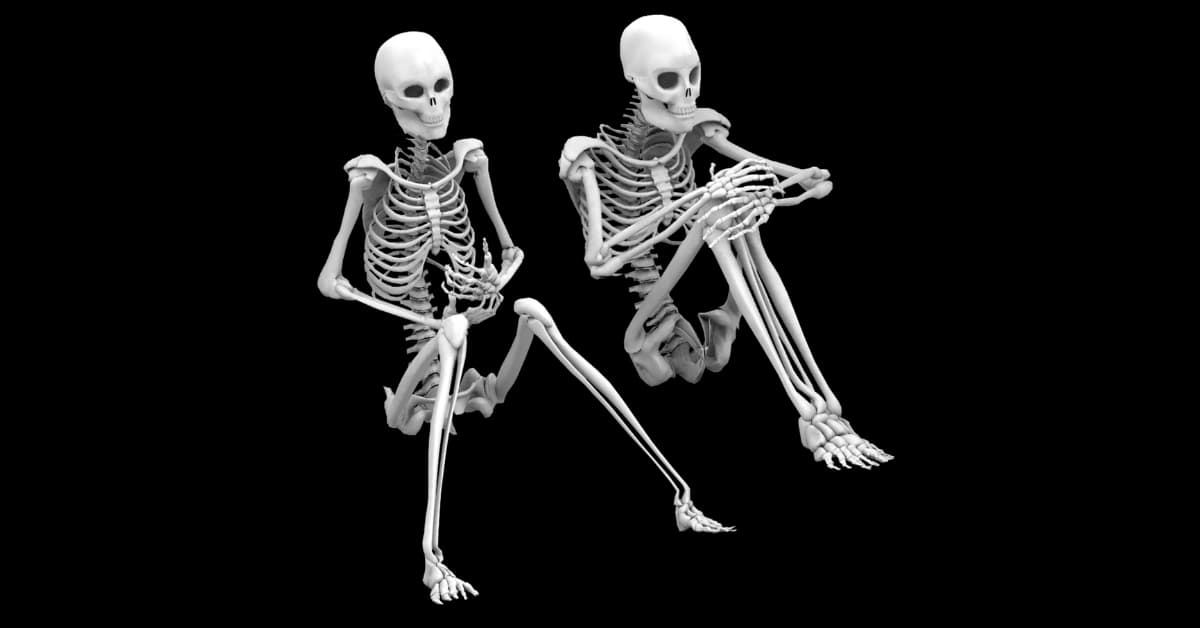
The human skeletal system (Bones and Joints)is a sophisticated architectural masterpiece, serving as the silent engine behind every movement we make. Comprising 206 bones & a complex network of joints, this framework does far more than keep us upright; it acts as a protective shield for our essential organs, a factory for producing life-sustaining blood cells, and a mineral warehouse that regulates our internal chemistry. Joints serve as the vital hinge points where these bones meet, using a combination of cartilage, ligaments, & lubricating fluid to transform a rigid structure into a fluid, mobile machine. Comprehending the synergy between bones & joints is the first step in appreciating how our bodies maintain stability while achieving the remarkable flexibility required for daily life.
1. More Than Just a Cage: What Do Bones Actually Do?
If you asked a child what bones are for, they’d probably say “to keep us from being a blob of jelly.” They aren’t wrong! But the skeletal system handles a lot of “behind-the-scenes” work that has nothing to do with structure.
The Five Main Jobs of Your Skeleton(Bones and Joints):
- Support: The obvious one. The bones provide the framework that supports the muscles and organs.
- Protection: The skull is basically a natural helmet for the brain. The ribs form a cage which protects the heart and lungs.
- Movement: Bones act as levers. When the muscles pull on them, you move. Without the rigid bone to pull against, the muscles would bunch up.
- Blood Factory: This surprises many individuals. Inside the hollow parts of the big bones (like the thighs) is bone marrow. It is where the body manufactures red blood cells, white blood cells, and platelets.
- Mineral Bank: The bones store 99% of the body’s calcium and 85% of its phosphorus. If the levels of these minerals in your blood drop, the body “withdraws” them from the bone bank.
2. Anatomy of a Bone: It’s Alive!
It’s easy to think of bones as rocks, but they are actually very active organs. They have their own blood vessels and even nerves (which is why breaking one hurts so much).
The Layers of a Bone
- Periosteum: This is the thin, tough outer skin of the bone. It contains nerves & blood vessels that help nourish the bone.
- Compact Bone: This is the hard, smooth part you see on a skeleton (Bones and Joints). It’s incredibly dense and strong.
- Cancellous (Spongy) Bone: Inside the compact bone is a layer that looks like a honeycomb. It’s light but very strong, helping the bone absorb shock.
- Bone Marrow: The “jelly” in the center where the blood-making magic happens.
Example: Think of a bone like a high-tech bridge beam. It’s hard on the outside to resist pressure, but it has a complex internal system that keeps it lightweight, so you don’t feel too heavy when moving.
3. The Different Types of Bones
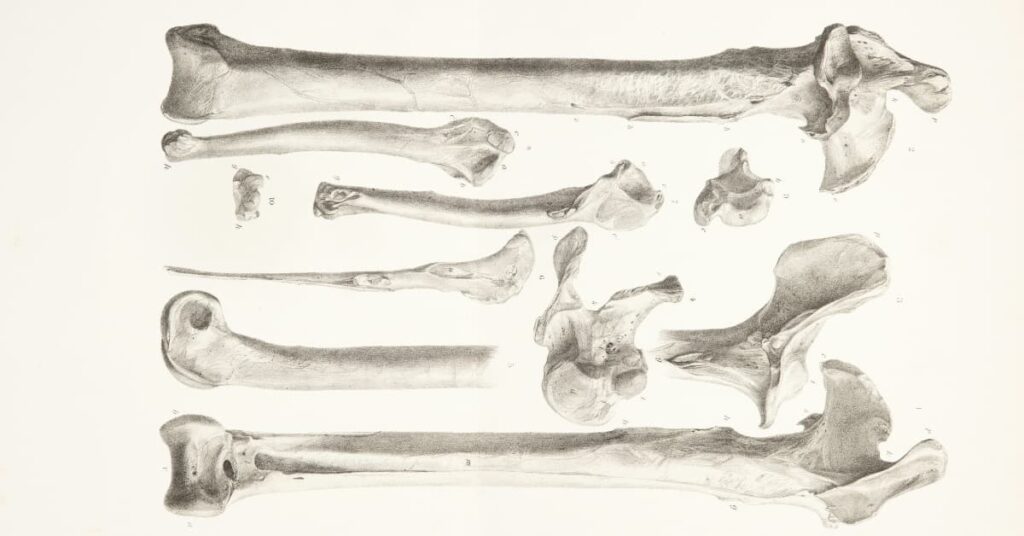
Not all bones are created equal. The body has 206 of them (though you were born with about 270, some fuse together as you grow!), and they fall into four main categories:
Long Bones
These are longer than they are wide. They act as the primary “levers” for movement.
- Examples: The femur (thigh bone), humerus (upper arm), & even the tiny bones in the fingers.
Short Bones
These are roughly cube-shaped & provide stability and some movement.
- Examples: The carpals in the wrist and tarsals in the ankle.
Flat Bones
These are thin and often curved. They are great for protection or providing a wide area for muscle attachment.
- Examples: The skull, the sternum (breastbone), and the shoulder blades (scapula).
Irregular Bones
These have complex shapes that don’t fit into the other categories.
- Examples: The vertebrae in the spine and the bones of the pelvis.
4. The Magic of Joints: Where the Action Happens
A bone by itself is just a stick. To move, you need a point of connection. That connection is called a joint. Without joints, you’d be as stiff as a statue.
The Three “Give” Levels of Joints
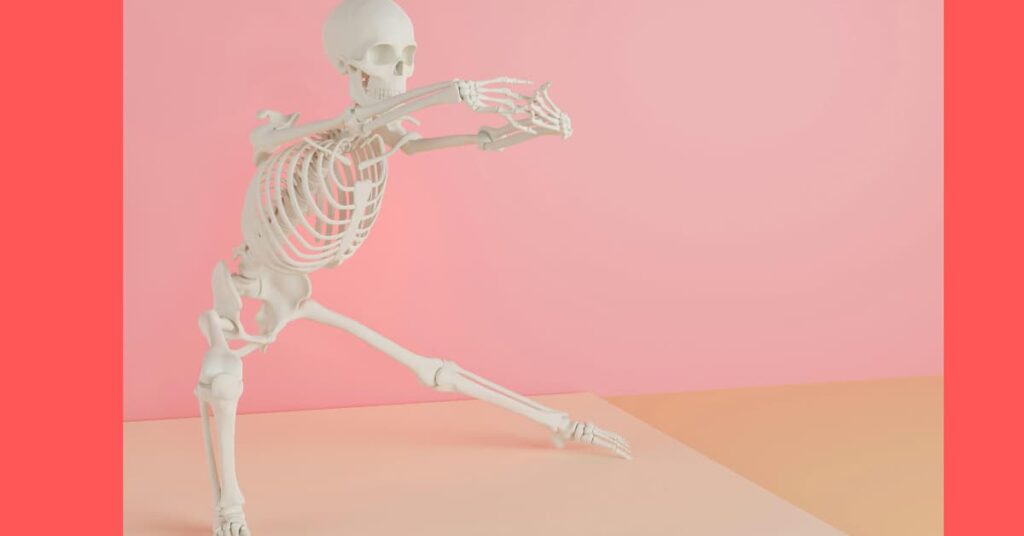
Bones aren’t always meant to move at the joint. Scientists categorize them by how much “wiggle room” they have:
- Immovable (Fibrous) Joints: These are locked tight. These connect your skull plates. They moved when you were a baby to allow for brain growth, but now they are fused solid.
- Slightly Movable (Cartilaginous) Joints: These move just a little bit. The joints between your vertebrae are a great example—they allow you to twist and bend without your spine falling apart.
- Freely Movable (Synovial) Joints: These are the ones we usually think of. They allow for a wide range of motion and are filled with a lubricating fluid called synovial fluid.
5. Types of Movable Joints
Depending on what you need to do, walk, wave, or turn the head, the body uses a different “mechanical” design for the joint.
- Hinge Joints: Just like a door hinge. They move in one direction (opening and closing).
- Example: The elbows and knees.
- Ball-and-Socket Joints: These allow for the greatest range of motion. A rounded bone end fits into a cup-like socket.
- Example: The shoulders and hips. It is why you can swing the arm in a full circle.
- Pivot Joints: These allow for rotation.
- Example: The joint at the top of the neck that lets you turn the head from side to side to say “no.”
- Gliding Joints: Small bones that slide over each other.
- Example: The wrist bones.
6. The Support Crew: Cartilage, Ligaments, and Tendons
Bones and joints don’t work alone. They have a support staff of “connective tissues” that keep everything running smoothly.
Cartilage: The Buffer
Cartilage is a smooth, rubbery tissue that coats the ends of bones where they meets in a joint. Its job is to lower friction. If you’ve ever eaten a chicken wing and seen the shiny white bit at the end of the bone, that’s cartilage.
- What happens when it wears out? That’s called Osteoarthritis. When the “cushion” is gone, bone rubs on bone, which causes pain and swelling.
Ligaments: The Tape
Ligaments connect bone to bone. Think of them as strong, slightly stretchy straps of duct tape that hold the skeleton (Bones and Joints) together.
- Common Injury: A sprain (like a sprained ankle) is actually a ligament that has been stretched or torn.
Tendons: The Ropes
Tendons connect muscles to bones. They are incredibly tough. When the muscle contracts, tendon pulls the bone, causing the bone to move.
- Common Injury: Tendonitis is when these “ropes” become inflamed from overuse (like “tennis elbow”).
7. Common Problems: When the System Breaks Down
Because the skeletal system is so active, things can go wrong. Comprehending these issues is the first step toward prevention.
Osteoporosis
It is a disorder where bones lose their density and become “porous” and brittle. It’s often called a silent disease because you might not know you have it until a bone breaks from a minor trip.
- Who is at risk? It’s more common in older adults, particularly women after menopause, but diet and exercise play a huge role for everyone.
Arthritis
“Arthritis” is actually a broad term for over 100 various conditions that cause joint inflammation.
- Rheumatoid Arthritis: An autoimmune disorder where the body’s immune system mistakenly attacks the joints.
- Osteoarthritis: The “wear and tear” kind that comes with age or injury.
Fractures
A fracture is just a medical word for a break.
- Simple Fracture: The bone breaks but stays under the skin.
- Compound Fracture: Bone breaks through the skin (a medical emergency).
- Stress Fracture: A slight crack caused by repetitive stress (common in long-distance runners).
8. How to Keep the Bones and Joints “Young.”
You can’t change genetics, but you have a lot of control over how the skeleton (Bones and Joints)ages.
Fuel Your Frame
- Calcium: It’s the building block of bone. Dairy is a popular source, but leafy greens (kale, bok choy), sardines, and fortified plant milks are also great options.
- Vitamin D: Calcium is pointless without Vitamin D. The body literally can’t absorb it without it. Get some sunshine or take a supplement if you live in a cloudy climate.
- Magnesium and Vitamin K2: These help “direct” the calcium into the bones rather than letting it sit in the arteries.
Move It or Lose It
Bones are like muscles they get stronger when you stress them.
- Weight-Bearing Exercise: Walking, jogging, dancing, and climbing stairs force the bones to support the weight, which triggers them to become denser.
- Resistance Training: Lifting weights pulls on the bones via the tendons, making the bones tougher.
Protect the Joints
- Maintain a Healthy Weight: The knees feel every extra pound you carry. Losing even 5–10 pounds can significantly reduce the pressure on the lower joints.
- Stay Hydrated: Synovial fluid (joint fluid) is largely water. Staying hydrated keeps the joints lubricated.
9. Interesting Bone Facts
- The Smallest Bone: It’s the “stapes” inside the ear. It’s about the size of a grain of rice.
- The Strongest Bone: The femur (thigh bone) is generally considered the strongest. It can support up to thirty times the weight of an average human.
- Ever-Changing: Every year, about 10% of the skeleton is completely replaced with brand-new bone tissue. You essentially get a whole new skeleton every decade!
- The Only “Floating” Bone: The hyoid bone in the throat (neck) is the only bone in the whole body that isn’t connected to another bone. It’s held in place only by muscles.
Conclusion
The bones and joints are more than just a structural framework; they are a dynamic, living system that allows you to experience the world. From the simple act of typing a message to the complex mechanics of running a marathon, the skeleton is working tirelessly behind the scenes.
By understanding how this system works, from the “honeycomb” structure of the spongy bone to the “lubricating oil” in the synovial joints, you can make better choices for your health. Eat your greens, get the Vitamin D, and don’t be afraid to lift something heavy once in a while.
The future self (and the knees) will thank you. Treat your bones well today, and they’ll carry you through a long, active life.