Table of Contents
Introduction
Maintaining young bones and joints is less about fighting the clock & more about fueling the biological “remodeling” process that keeps our skeletal system resilient. As we age, the natural density of our bones may decline, and the protective cartilage in the joints may thin, leading to stiffness or increased frailty. Nevertheless, by prioritizing a targeted intake of vital minerals like calcium, providing the hormonal support of Vitamin D and K2, & engaging in strategic weight-bearing movements, you may effectively “rust-proof” the frame. Maintaining the body naturally through nutrient-dense foods and mindful lifestyle habits ensures that joints remain fluid and bones remain strong, allowing you to stay active and mobile well into the later years.
Why Bone and Joint Health Matters More Than You Think
Your bones are living, developing tissue. They are always breaking down and rebuilding themselves in a process called remodeling. When we are young, we build bone faster than we lose it. Around age 30, most individuals hit their “peak bone mass.” After that, the “withdrawal” from our bone bank account starts happening faster than the “deposits.”
Joints are equally complex. They are where two bones (B) meet, cushioned by cartilage and lubricated by synovial fluid. When that cushion wears down, we experience the dreaded “bone-on-bone” friction.
Common Conditions to Watch Out For
If we don’t take care of this system, we risk several common diseases:
- Osteoporosis: An illness where bones become porous, brittle, and prone to fractures.
- Osteoarthritis: The “wear and tear” arthritis, where joint cartilage breaks down.
- Rheumatoid Arthritis: An autoimmune condition or illness where the body attacks the joints.
- Bursitis: Inflammation of the small or little fluid-filled sacs (bursae) that cushion the joints.
The “Big Three” Vitamins for Strong bones and joints
If you want to keep the framework solid, you can’t just guess at the nutrition. There are three heavy hitters you need to prioritize.
1. Calcium: The Building Block
Calcium is the main structural elements of bone. If you don’t consume enough, the body will actually “steal” calcium from the B to support other vital functions, such as heart rhythm and muscle contraction.
- Adult Requirement: Most adults need about 1,000-1,200mg per day.
- Where to get it: Dairy is the popular source, but sardines (with B), almonds, & leafy greens are also power houses.
2. Vitamin D: The Gatekeeper
You can eat all the calcium in the world, but without Vitamin D, the body can’t absorb it. Think of Vitamin D as the key which opens the door for calcium to enter the bloodstream.
- The Sun Connection: The body makes it when skin is exposed to sunlight, but depending on where you live, you might require a supplement.
- Food Sources: Fatty fish, egg yolks, & fortified cereals.
3. Vitamin K2: The Traffic Controller
It is the “missing link” for many individuals. While Vitamin D absorbs calcium, Vitamin K2 tells the calcium where to go. It prevents calcium from settling in your arteries (where it causes heart issues) and directs it straight into your bone matrix.
The Ultimate Food List for Strong bones and joints
Eating for the joints isn’t just about avoiding “junk”; it’s about flooding the system with anti-inflammatory nutrients.
The Powerhouse Proteins
- Fatty Fish (Salmon, Mackerel, Sardines): These are packed with Omega 3 fatty acids, which lower inflammation in the joints and prevent morning stiffness.
- Plant-Based Options: Lentils and beans are rich in magnesium and potassium, both of which help maintain bone density.
Fruits and Vegetables
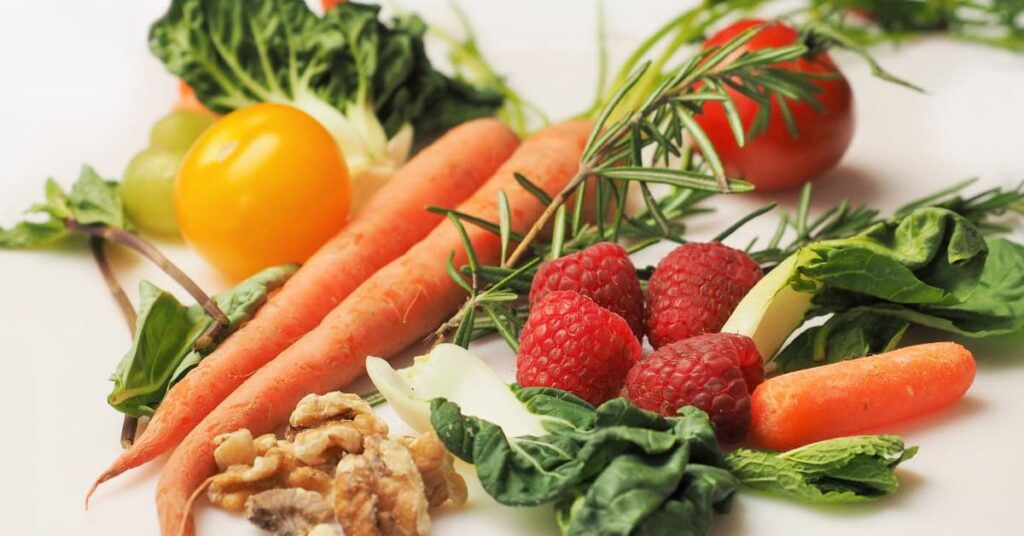
- Leafy Greens (Kale, Spinach, Collard Greens): These are rich in Vitamin K and calcium.
- Berries: Blueberries & strawberries are packed with antioxidants that protect the cells from oxida-tive stress, that can damage joint tissue.
- Cruciferous Veggies (Broccoli, Brussels Sprouts): These contain a compound named sulforaphane, which may help block enzymes that cause joint destruction.
Seeds and Nuts
- Chia and Flaxseeds: High in Alpha-linolenic acid (an Omega-3).
- Walnuts: Great for lessening joint inflammation.
- Pumpkin Seeds: A fantastic source of magnesium.
Specialized Nutrition: A Focus on Women’s Bone Health
Women face unique challenges, particularly during and after menopause. The drop of estrogen levels leads to a much faster rate of bone loss.
Essential Foods for Women
- Soy products, such as tofu & edamame, contain isoflavones, plant-derived compounds that act like estrogen and may help protect bone density.
- Yogurt with Probiotics: A healthy gut microbiome is increasingly linked to better calcium absorption.
- Prunes: Research suggests that eating 5–10 prunes a day can assist prevent bone loss in postmenopausal females by reducing inflammation.
10 Secrets to Strengthen Your Bones and Joints Naturally
Diet is half the battle, but lifestyle habits determine the rest. B respond to stress specifically, the “good” kind of stress.
1. Weight-Bearing Exercise
B are like muscles; they get stronger when they have to work against gravity.
- Example: Walking, jogging, dancing, or climbing stairs.
- Why it works: These activities put stress on the bone, signaling the body to deposit more minerals & strengthen the structure.
2. Resistance Training
Lifting weights or using resistance bands pulls on the bone where the muscle attaches. This tension stimulates bone-building cells (osteoblasts).
- Focus: Aim for 2 sessions a week targeting major muscle group.

3. Maintain a Healthy Weight
Every extra pound you carry adds 4 pounds of pressure to the knees. Maintaining a healthy weight is the single most effective way to prevent the “aching B and joints” feeling that comes with wear and tear.
4. Hydration is Key
The joint cartilage is about 80% water. When you’re dehydrated, the lubrication in the joints (synovial fluid) becomes thinner, leading to more friction and pain. Drink up!
5. Prioritize Quality Sleep for Bone Repair
During deep sleep, the whole body releases growth hormones that are essential for repairing micro-fractures in the B & regenerating joint tissues. Chronic sleep deprivation can disrupt this cycle, leading to reduced bone density over time.
- Action Tip: Aim for 7–9 hours of quality sleep to let the “internal construction crew” do its job.
6. Monitor the Protein Intake
While calcium gets all the fame, B are actually about 50 percentage protein by volume. A protein-deficient diet may lower calcium absorption and affect the IGF-1 (Insulin-like Growth Factor) levels that stimulate bone-building cells.
- Example: For vegetarians, focusing on high-quality plant proteins such as quinoa, tempeh, and sprouted lentils is vital for maintaining the bone’s collagen matrix.
7. Improve Your Balance and Proprioception
Strengthening B is only half the battle; preventing falls is the other half. Natural joint health involves training the nervous system to stabilize the joints during movement.
- Try This: Practice standing on 1 leg while brushing the teeth or incorporate Tai Chi or Yoga into the routine. These activities strengthen the small stabilizer muscles around the ankles, knees, and hips, reducing the mechanical “wobble” that causes joint wear.
8. The “Anti-Inflammatory” Kitchen
Chronic, low-grade inflammation is a silent enemy of the joints. It breaks down synovial fluid, which keeps joints gliding smoothly.
- Natural Spices: Encourage the use of Turmeric (containing curcumin) and Ginger. These are nature’s ibuprofen; they help block inflammatory pathways without the side effects of over-the-counter pills.
- Tip: Always pair turmeric with black pepper to increase its absorption by up to 2,000%.
9. Adopt “Micro-Movements” for Desk Workers
Joints donot have a direct blood supply; they receive nutrients through a process called “imbibition,” which happens when the joint is compressed and released during movement. If you sit still for hours, your joints are essentially starving for nutrients.
- The 30-Minute Rule: Set a timer to stand up and perform three air squats or gentle joint rotations every 30 minutes. It pumps fresh fluid into the cartilage.
10. Watch Out for “Bone-Robbers.”
Certain lifestyle habits can actively leach minerals from the frame.
- Smoking: It reduces blood flow to the bones and joints, slowing down healing and increasing the risk of osteoporosis.
- Excessive Alcohol: Alcohol can interfere with the balance of calcium & the production of Vitamin D, making bones more brittle over time.
Addressing Hand Bones and Joints
Our hands have 27 bones each, and they are often the first place we feel aging. To keep them “young”:
- Warmth: If you have aching hands, use warm compresses to increase blood flow.
- Hand Exercises: Simple tasks like squeezing a soft stress ball or performing “finger lifts” can keep the ligaments flexible and the joints lubricated.
- Ergonomics: If you type all day, ensure the wrists are supported to prevent strain on the small joints of the hand.
Important Vitamins for Adults: A Supplement Guide
While we should always aim for “food first,” sometimes supplements are necessary, especially for adults over 50.
| Nutrient | Why You Need It | Recommended Form |
| Magnesium | Helps with bone structure and muscle function. | Magnesium Glycinate (easier on the stomach). |
| Collagen | The primary protein in cartilage. | Type II Collagen peptides. |
| Glucosamine | Supports the repair of joint cartilage. | Glucosamine Sulfate. |
| Omega-3 | Potent anti-inflammatory. | High-quality Fish Oil or Algal Oil. |
Note: Always consult a doctor before beginning a new supplement regimen, as many supplements may interact with medications.
How to Maintain Bone Health: 3 Things to Avoid
Sometimes, what you don’t do is just as important as what you do.
- Excessive Salt: High sodium intake causes your body to lose calcium through your urine.

- Too Much Caffeine: Large amounts of caffeine (more than four cups of coffee a day) can slightly interfere with calcium absorption.
- Sedentary Lifestyle: The “use it or lose it” rule applies perfectly here. If you don’t move your joints, they will stiffen.
Putting It All Together: A Sample Day for Stronger Bones
How does this look in real life? Here is a “Bone-Building” meal plan:
- Breakfast: Greek yogurt topped with chia seeds, sliced almonds, and a handful of blueberries.
- Lunch: A big spinach salad with grilled salmon, chickpeas, & an olive oil dressing.
- Snack: An orange (Vitamin C is necessary for collagen production!) and a few walnuts.
- Dinner: Stir-fried tofu with broccoli, bok choy, and brown rice.
- Evening: A mug of fortified almond milk or a small piece of dark chocolate (high in magnesium).
Conclusion
Keeping the bones & joints young isn’t about finding a “magic pill.” It’s about a consistent commitment to movement & mindful nutrition. By prioritizing calcium & Vitamin D, incorporating weight-bearing exercises, & eating a diet very rich in anti-inflammatory foods, you are essentially “rust-proofing” the body.
Remember, the bones are the only home you have to live in for your entire life. Treat them with respect today, and they will carry you through many active, pain-free years to come. Start small, with a walk today or a serving of leafy greens, and build from there.