Table of Contents
Introduction
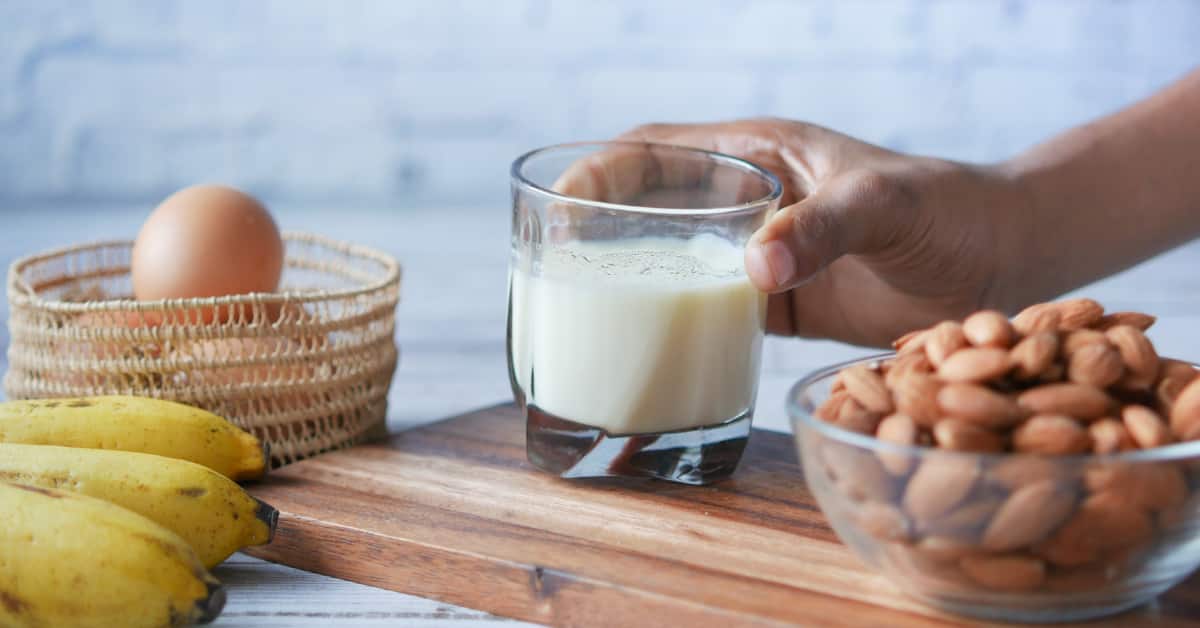
Often referred to as the body’s “architect,” calcium is the most productive mineral in the human system, acting as the literal foundation for the skeletal structure & the electrical spark for the essential organs. While many of us associate it mainly with strong teeth & “taking the milk,” its biological reach extends far deeper; it is a critical signaling molecule that allows the heart to beat, the muscles to contract, & the nerves to relay rapid-fire messages from the brain to the fingertips.
Because our bodies cannot produce this mineral on their own, we rely on a steady “income” of calcium through our diet to prevent the body from “withdrawing” it from our bones, making an understanding of calcium-rich foods and smart supplementation essential for lifelong mobility and cardiovascular health.
What Exactly Does Calcium Do? (The Benefits)
Before we speak about how to get it, we need to understand why we’re bothering in the first place. Ca isn’t just a building block; it’s a high-performance multitasker.
1. The Skeletal Bank Account
Think of the bones like a savings account. During childhood and the 20s, you are making “deposits” of calcium. By the time you hit 30, the bone mass usually peaks. After that, the body starts making “withdrawals.” If you don’t have enough ca coming in through the diet, the body will literally steal it from the bones to keep the heart and muscles running.
2. Muscle Movement and Heart Health
Every time you blink, walk, or lift a grocery bag, the muscles use cal to contract. Even more importantly, the heart, which is the hardest-working muscle you have, relies on calcium to maintain a steady, regular beat.
3. Nerve Signaling
Calcium acts like a courier for the nervous system. It helps carry messages from the brain to the rest of the body. Without it, the nerves would have a hard time communicating, which can lead to that “pins and needles” feeling.
4. Blood Clotting
If you get a papercut, calcium is one of the key players in helping the blood clot so the wound can heal. It’s a crucial part of the body’s “emergency repair” team.
5. Weight Management and Metabolism
A fascinating analysis suggests that calcium may play a role in how our bodies process fat. When calcium intake is high, it can bind to a small quantity of dietary fat in the digestive tract, preventing its absorption. Similarly, some studies indicate that when cells have sufficient calcium, they are more efficient at burning fat than storing it. While it isn’t a “magic weight-loss pill,” it certainly helps keep the metabolic machinery running smoothly.
6. Blood Pressure Regulation
Calcium is a key player in the “contraction and relaxation” cycle of the blood vessels. By helping the smooth muscles in the arteries relax and contract at the right times, calcium helps maintain healthy blood pressure levels.
7. Protection for Cardiac Muscles
The heart is a muscle that never gets a day off, and calcium is its immediate fuel for movement. It helps the cardiac muscles contract and relax properly, providing a steady, rhythmic heartbeat. Additionally, adequate calcium levels help the heart maintain proper arterial pressure, reducing overall strain on the cardiovascular system.
8. Premenstrual Syndrome (PMS) Relief
For many females, calcium is a secret weapon against the monthly struggle of PMS. Low levels of calcium can trigger the hormones that cause mood swings, bloating, & irritability. Clinical trials have shown that consistent calcium intake can significantly lower the severity of these symptoms, particularly cramping and water retention, by stabilizing the neuromuscular response during hormonal shifts.
9. Maintaining an Alkaline pH Level
The body works hard to maintain the blood at a very specific, slightly alkaline pH. If the diet is highly acidic (filled with processed sugars & sodas), the body may pull calcium, an alkaline mineral, from the bones to “buffer” the blood and neutralize the acidity. By consuming enough calcium, you provide the body with the tools it needs to maintain this delicate acid-base balance without depleting the bone density.
10. Healthier Smile and Jawbone
We know calcium is in teeth, but it’s also the mineral that keeps the jawbone strong. A sturdy jawbone is what holds the teeth firmly in place. When Ca levels drop, the jawbone can weaken, leading to loose teeth or gum issues. By keeping the Ca intake up, you’re essentially reinforcing the “anchor” for the smile.
Recognizing Calcium Deficiency: The Warning Signs
How do you know if you’re running low? Ca deficiency (hypocalcemia) doesn’t always induce severe symptoms right away. It’s often a “silent” issue that creeps up over time.
Early Warning Signs:
- Muscle Cramps: Particularly in the thighs, arms, & underarms while moving.
- Extreme Fatigue: Feeling sluggish or having a lack of energy despite sleeping well.
- Brittle Nails and Dry Skin: Calcium helps maintain the integrity of these tissues.
- Tooth Decay: Since teeth store a lot of Ca, they are often the first to suffer when levels drop.
Long-term Risks:
If a deficiency persists for years, it can lead to Osteopenia (low bone density) and finally Osteoporosis, in which bones become so porous and fragile that a simple trip or even a strong sneeze can cause a fracture.
The Best Calcium-Rich Foods (Beyond the Milk Jug)
A lot of individuals think that if they don’t like milk, they’re doomed to have weak bones. That couldn’t be further from the truth. There are tons of delicious, Ca-rich, plant-based foods.
The Dairy Classics
- Yogurt: Often a better source than milk because the fermentation procedure makes it easier to digest. One cup of plain yogurt may provide about 30% of the daily needs.
- Cheese: Harder cheeses, like Parmesan, have the highest concentrations.
- Milk: A reliable, classic source that is usually fortified with Vitamin D (which you need to absorb the Ca).
Plant-Based Powerhouses
- Leafy Greens: Collard greens, kale, & bok choy are fantastic. Note: Spinach contains calcium, but it also has oxalates, which can block absorption, so don’t rely on it as the primary source.
- Chia Seeds and Poppy Seeds: These tiny seeds are nutritional dynamite sticks. Just two tablespoons of chia seeds pack a significant Ca punch.
- Sardines and Canned Salmon: Because you eat the soft, tiny bones in these fish, they are excellent sources of Ca.
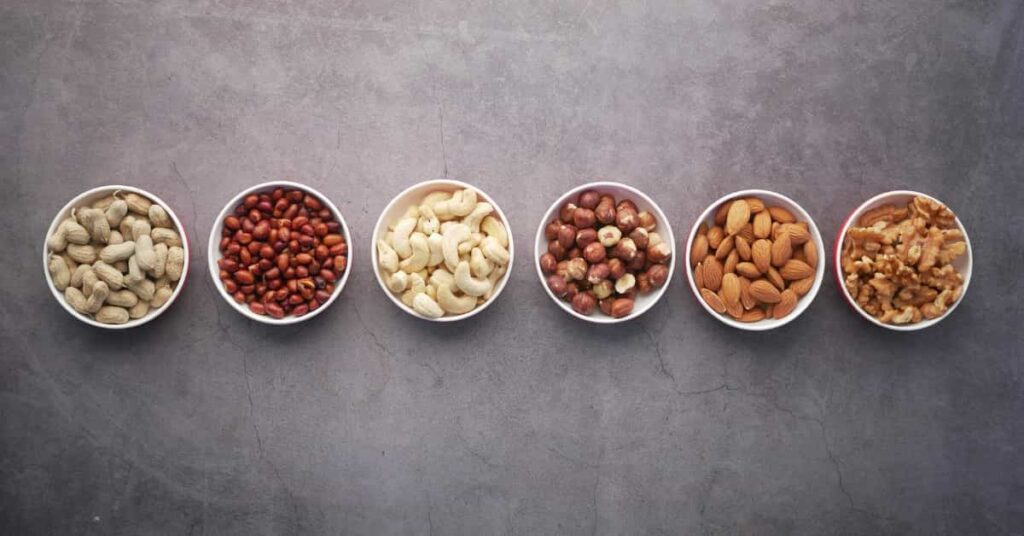
- Almonds: Among all nuts, almonds are the king of Ca.
Fortified Options
If you prefer almond milk, soy milk, or orange juice, look for the word “Fortified” on the label. These products contain Ca and can be just as effective as dairy.

Calcium Supplements: Tablets, Gummies, and Powders
Sometimes, despite our best efforts at the grocery store, we still fall short. It is where calcium supplements come in. But before you grab the first bottle you see, you need to know that not all supplements are created equal.
The Two Main Types
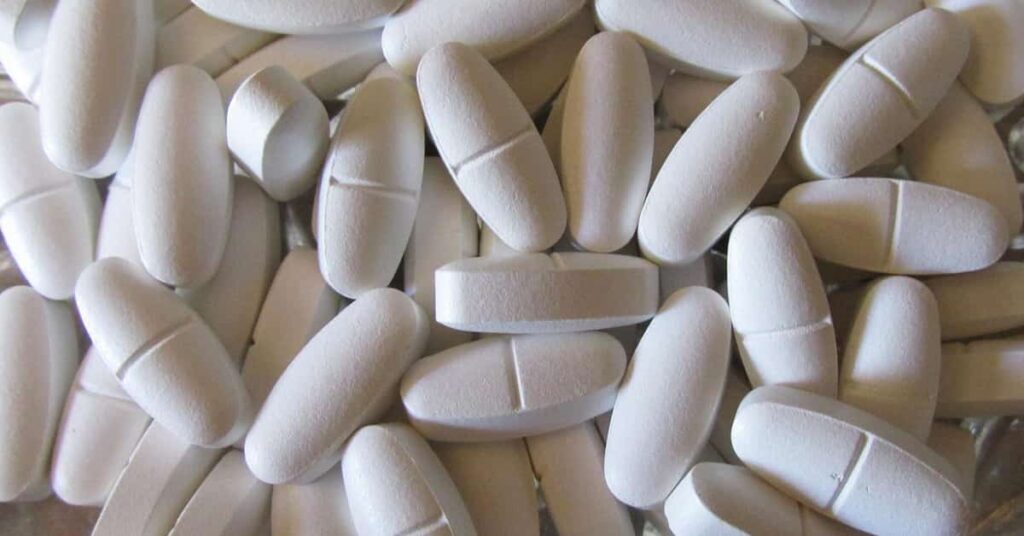
- Calcium Carbonate: This is the most common and cheapest form. It’s basically chalk. It needs stomach acid to break down, so you must eat it with food for it to work.
- Ca Citrate: This version is more expensive but easier on the stomach. You can take it with or without food, making it a better choice for older adults or people on acid-reflux medication.
The “500 Rule”
The body is picky. It can only absorb about 500mg of Ca at one time. If you take a 1000mg mega-tablet, you’re basically wasting half of it. It’s much better to take smaller doses twice a day.
A Word of Caution
More is not always better. Taking too much Ca (particularly from tablets rather than food) can lead to kidney stones or even Ca buildup in the arteries. Always aim for “just enough,” not “as much as possible.”
The “Support Crew”: Vitamin D and Magnesium
Calcium is like a superstar that won’t enter a club without its entourage. To actually get calcium into the bones, you need two primary partners:
- Vitamin D: Think of Vitamin D as the key that unlocks the door to the intestines, allowing Ca to enter the bloodstream. Without “The Sunshine Vitamin,” most of the Ca you eat passes right through you.
- Magnesium: This mineral helps convert Vitamin D into its active form. They work in a delicate balance.
Pro Tip: If you’re taking a ca supplement, check whether it also contains Vitamin D3 and Magnesium. It saves you the trouble of buying three different bottles.
Practical Examples: A Day in a High-Calcium Life
What does a calcium-rich diet actually look like in practice? It doesn’t have to be boring.
- Breakfast: A bowl or mug of Greek yogurt topped with a tablespoon of chia seeds & sliced almonds. (Approx. 400mg)
- Lunch: A large salad with kale, grilled chicken, and a sprinkle of feta cheese. (Approx. 300mg)
- Snack: An orange or a handful of almonds. (Approx. 75mg)
- Dinner: Stir-fried bok choy with tofu (tofu processed with ca sulfate is a goldmine!) or a piece of salmon. (Approx. 400mg)
By the end of this day, you’ve hit the target of roughly 1,000–1,200mg without even touching a supplement.
Common Myths About Ca
Myth 1: “I drink coffee, so my calcium is gone.” While caffeine can slightly raise calcium loss in urine, it’s a very small amount. Adding a splash of milk to the coffee usually offsets the loss entirely.
Myth 2: “Only kids need calcium for growing bones.” Adults need it just as much to maintain what they have. In fact, post-menopausal females need more cabecause the drop in estrogen speeds bone breakdown.
Myth 3: “If I have a dairy allergy, I’ll definitely get Osteoporosis.” Not true! Many cultures around the world don’t consume dairy and have very strong bones thanks to greens, small fish, and mineral-rich water.
Conclusion
Calcium is far more than just a “bone builder.” It’s a necessary mineral that keeps the heart beating, the nerves firing, and the muscles moving. While the supplement aisle can be tempting, the best way to get the daily dose is through a variety of ca-rich foods, such as leafy greens, nuts, seeds, and fermented dairy.
If you do decide to go the ca tablet route, recognize to check the type (Carbonate vs. Citrate), pair it with Vitamin D, and don’t take too much at once.