Table of Contents
Introduction
The calf raises is a fundamental isolation exercise or movement that strengthens & defines the muscles of the lower leg, especially the gastrocnemius (the visible “bulge”) & the soleus (the deeper muscle beneath it). By raising the heels through a range of motion named plantar flexion, this activity or movement acts as a functional powerhouse, improving explosive power for activities like sprinting & jumping while significantly enhancing ankle stability and balance.
Because the calves are liable for propelling the body forward during walking & running, regular exercise or training can prevent injuries such as Achilles tendinopathy & ankle sprains. The training is highly versatile, ranging from simple bodyweight standing raises to seated variations or kinds that emphasize the soleus, making it an essential element for both athletic performance & daily functional mobility.
Calf Raises
Above the physical gains, Calf raises serve as a vital tool for longevity and cardiovascular fitness by supporting the “peripheral heart” system. When the calf muscles contract, they compress the deep veins in the lower leg, facilitating the upward flow of blood back toward the heart against the pull of gravity, which may help reduce the risk or chance of venous insufficiency and lower-limb swelling.
This rhythmic contraction also improves proprioception, your body’s innate sense of positioning, which becomes increasingly essential for stopping falls as you age. Whether performed on a flat surface for beginners or off the edge of a step to maximize the eccentric stretch, the calf raise is a high-reward activity that bridges the gap between aesthetic bodybuilding and necessary rehabilitative care.
Calf Raises Target Muscles
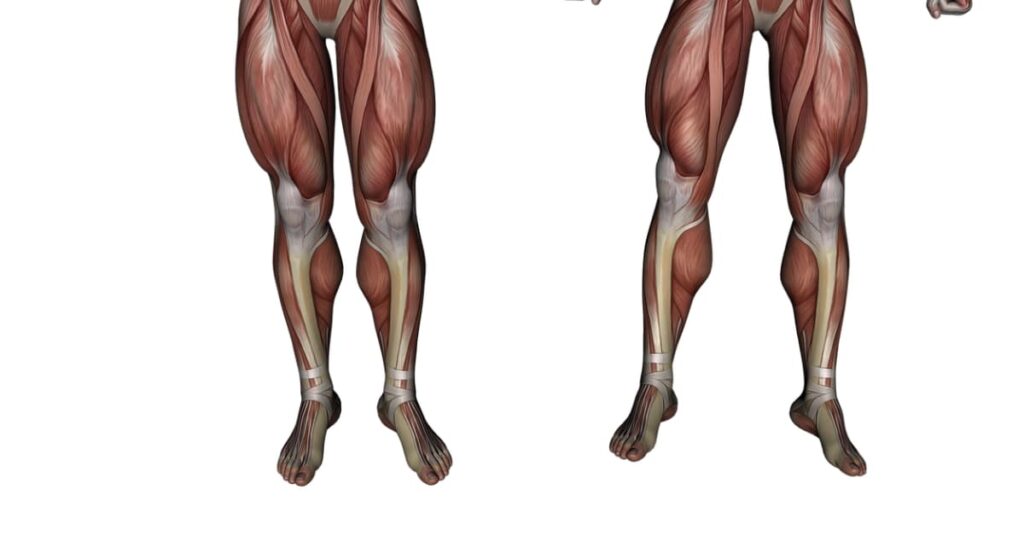
Calf raises mainly target the triceps surae, a muscle group found in the posterior chamber of the lower leg. While the training is an isolation movement, it engages several distinct muscles & supporting structures, depending on the variation performed.
Primary Muscles Targeted
- Gastrocnemius: This is the most visible, “diamond-shaped” muscle on the back side of the leg. It has two heads (medial & lateral) and is a biarticular muscle, meaning it crosses both the ankle and the knee. It is most busy during standing calf raises because the straight-leg position permits it to generate maximum force.
- Soleus: Located directly beneath the gastrocnemius, the soleus is a broad, flat muscle that only crosses the ankle. It is composed mainly of slow-twitch fibers, making it vital for endurance and posture. While active in all Calf raises, it becomes the direct mover during seated variations, as bending the knee “shorthands” the gastrocnemius, forcing the soleus to take on most of the load.
Secondary and Supporting Muscles
- Tibialis Posterior: Situated deep within the leg, this muscle assists with plantar flexion (pointing the toes) & provides critical support for the arch of the foot during movement.
- Peroneals (Longus and Brevis): Located on the outer side of the lower leg, these muscles help in stabilizing the ankle as you rise onto the balls of the feet.
- Plantaris: A small, thin muscle that runs between the gastrocnemius & soleus. It is technically part of the triceps surae, though it is absent in about 10% of the population & provides only minimal assistance in flexion.
Calf Raises Benefits
Regular calf raises offer a wide range of benefits, affecting everything from athletic performance to internal health. Because the calves are involved in almost every upright movement, maintaining them creates a cascade of progress throughout the body.
10 Benefits of Calf Raises
- Enhanced Explosive Power: By strengthening the gastrocnemius (fast-twitch fibers), Calf raises instantly improve the ability to generate force for jumping, sprinting, & quick changes in direction.
- Increased Running Efficiency: Stronger calves, especially the soleus, become more efficient at storing and releasing energy, permitting you to run faster and longer with less fatigue.
- Injury Prevention (Lower Leg): Regular exercise significantly reduces the risk or chance of common injuries like shin splints, calf strains, & Achilles tendinopathy by training muscles to withstand high-impact activity.
- “Second Heart” Effect: The calves act as a skeletal muscle pump. When they contract, they squeeze deep veins to push blood back up to the heart, enhancing overall circulation & preventing blood pooling.
- Superior Ankle Stability: Calf raises strengthen the tendons and ligaments surrounding the ankle, creating a “built-in brace” that guards against sprains and rolls, particularly on uneven terrain.
- Improved Balance and Proprioception: By challenging your balance as you rise onto your toes, this exercise sharpens the brain-body connection, helping you stay upright & coordinated as you age.
- Foot Health and Arch Support: Strong calves help maintain the structural integrity of the foot arch, which can prevent or alleviate pain associated with plantar fasciitis.
- Better Squat and Lunge Form: Training the calves through a full range of motion (especially if done off a step) enhances ankle dorsiflexion, allowing you to sit deeper & more safely in squats.
- Knee and Hip Protection: Strong calves act as shock absorbers, dissipating the force of impact before it reaches your knee and hip joints, which reduces the likelihood of long-term joint wear and tear.
- Aesthetic Muscle Definition: For those focused on bodybuilding, calf raises are the primary tool for adding volume and “peak” to the lower legs, filling out the lower body frame.
Calf Raise Variations
To maximize the results, it is helpful to rotate through different variations of the calf raise. These shifts in body position and foot angle shift the workload between the two prior calf muscles (the gastrocnemius & the soleus) to ensure balanced development.
1. Variations by Knee Position
The angle of the knee is the most critical factor in determining which muscle you are targeting.
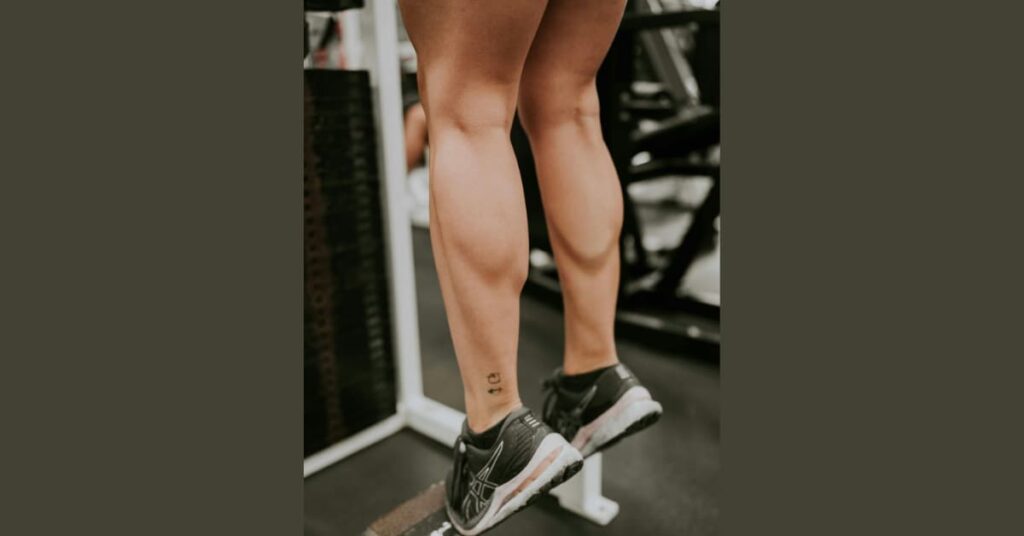
- Standing Calf Raises (Straight Leg): When your legs are straight, the gastrocnemius (the large upper muscle) is fully stretched and takes on most of the load. It is best for building power and visible muscle size.
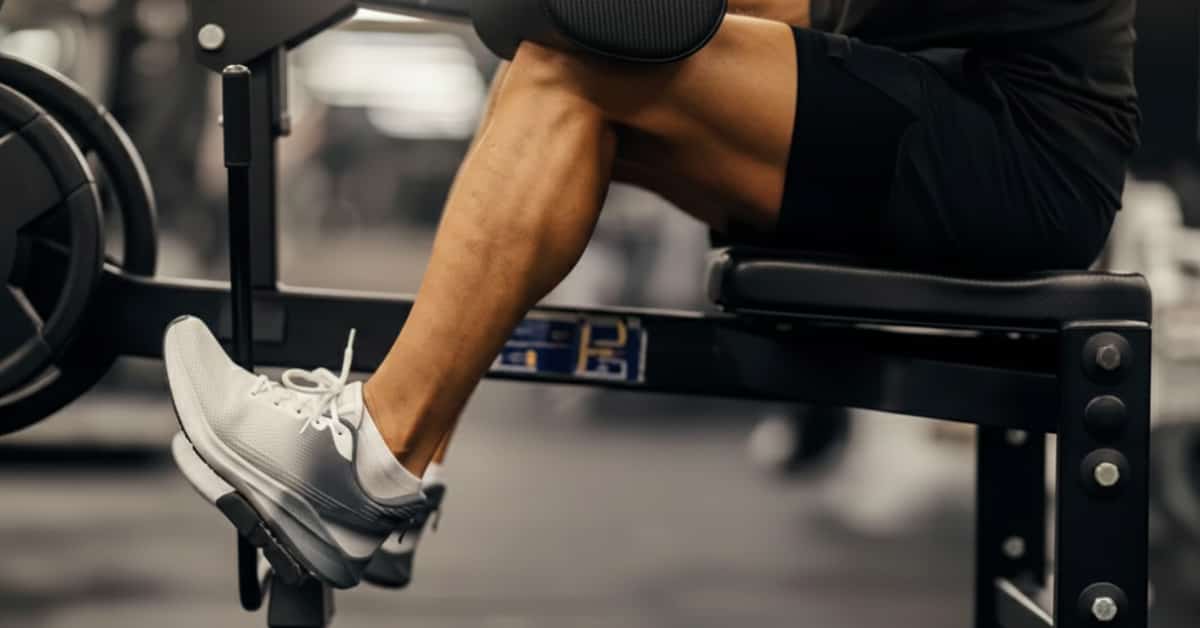
- Seated Calf Raises (Bent Knee): By bending the knees at 90°, you “turn off” the gastrocnemius, forcing the soleus (the deeper muscle) to do the work. This variation or kind is important for endurance and lower-leg thickness.
- Donkey Calf Raises: Completed by hinging forward at the hips (often with weight on the lower back). It puts the gastrocnemius in an even deeper stretch than the standing version, showing intense muscle activation.
2. Variations by Foot Angle
Subtly turning the feet can emphasize different “heads” of the gastrocnemius.
- Toes Pointed In (Pigeon-Toed): Shifts the focus toward the outer (lateral) head of the Calf.
- Toes Pointed Out: Shifts the focus toward the inner (medial) head of the calf.
- Neutral (Parallel): Distributes the weight evenly across the whole muscle group.
3. Advanced & Functional Variations
- Single-Leg Calf Raises: The gold standard for correcting muscle imbalances. It doubles the weight each calf must lift & significantly challenges the ankle stability.
- Leg Press Calf Raises: Performed on a leg press machine. It lets you lift much heavier loads safely since the back is supported, & balance is not an issue.
- Farmer’s Walk on Toes: A functional variation where you hold heavy dumbbells and walk while staying high on the balls of the feet. It builds great “time under tension” and grip strength.
Calf Raises Alternatives
If you find traditional calf raises repetitive or don’t have access to specific machines, several effective alternatives target the same muscle groups through different movement patterns. These alternatives often integrate the calves into compound or plyometric movements or activity, making them highly functional for daily life and sports.
1. Functional & Bodyweight Alternatives
- Farmer’s Walk on Toes: Carry a pair of heavy dumbbells or kettlebells while walking solely on the balls of the feet. It creates massive “time under tension” for the gastrocnemius and improves core stability.
- Jump Rope: This is one of the best dynamic alternatives. It forces the calves to act as reactive springs, building endurance in the soleus and explosive power in the gastrocnemius.
- Sled Pushes: Pushing a weighted sled requires you to drive off the balls of the feet with every step. It mimics sprint mechanics & places a heavy, functional load on the entire posterior chain.
2. Strength & Machine Alternatives
- Leg Press Calf Raises: If you lack a standing calf machine, use a standard leg press. Keep the legs straight and use only the ankles to push the platform away. It is safer for the spine than a barbell raise.
- Plié Squats (Heels Elevated): Perform a wide-stance squat while keeping the heels lifted off the ground the entire time. It forces the calves to work as stabilizers while simultaneously hitting the quads and glutes.
- Seated Dumbbell Calf Raises: If you don’t have a seated machine, sit on a bench with the feet on a step and rest heavy dumbbells on the knees. It is the best way to isolate the soleus without gym equipment.
Precautions and Common Errors
While calf raises are a low-impact and generally safe exercise, performing them with poor technique can lead to diminished results or even injury. Understanding common “cheats” and safety precautions will help you keep the focus on the muscle & protect the joints.
Common Errors to Avoid
- Bouncing (The Stretch Reflex): Many individuals use a rapid “bouncing” motion at the bottom of the rep. It relies on the Achilles tendon’s natural elasticity rather than muscle strength. To fix this, pause for one second at the bottom stretch before pushing back up.
- Partial Range of Motion: Failing to go all the way up onto the “tippy-toes” or neglecting the deep stretch at the bottom limits muscle growth. Ensure you complete a full peak contraction at the top.
- Rolling the Ankles (Supination/Pronation): A standard error is letting the ankles flare outward or collapse inward during the ascent. The weight should remain centered over the big toe & second toe for maximum stability and proper alignment.
- Using Momentum (The Rocking Horse): In standing variations, individuals often lean their torso forward or “rock” their hips to support lifting the weight. Keep the body upright and ensure the movement comes entirely from the ankle joint.
- Bending the Knees During Standing Raises: If the knees bend as you lift, the quadriceps are likely taking over the load. Keep a “soft” but locked knee to ensure the gastrocnemius remains the immediate mover.
Key Precautions
- Progressive Loading: The calves and Achilles tendon are prone to overuse injuries. Bypass sudden, massive jumps in weight or volume; instead, increase the load by about 10% per week.
- Warm-Up First: Never perform heavy or explosive calf raises with “cold” muscles. Begin with some light ankle circles, walking on the toes, or dynamic leg swings to increase blood flow.
- Mind the Achilles: If you feel a sharp, “stabbing” pain at the back of the heel (rather than a dull muscle burn), stop immediately. It could indicate Achilles tendonitis, which requires rest & eccentric-only loading (slowly lowering) under professional guidance.
- Surface Safety: If you are performing raises on a step or elevated platform, ensure that the surface is non-slip and that you have a wall or rail nearby for balance.
Conclusion
In conclusion, the calf raise is a deceptively simple yet positively impactful practice that serves as the foundation for lower-body strength, stability, and aesthetics. By consistently targeting the gastrocnemius and soleus through both standing & seated variations, you can unlock greater explosive power for sports, improve the daily functional mobility, and even support the cardiovascular health. Whether you are a beginner working on a flat floor at home or an advanced athlete using heavy weights & steps to increase range of motion, the key to success lies in controlled tempo & proper alignment.