Table of Contents
Introduction
If you’ve spent more than 5 minutes on social media lately, you’ve probably seen the “War on Carbs.” One influencer informs you that bread is the enemy, while another claims that a single potato will ruin the progress. It’s sufficient to make anyone want to throw their hands up in frustration and live off plain chicken breasts forever.
But here’s the thing: carbohydrates are not the villain in the health story. In fact, for most of us, they are the lead protagonist. They fuel our brains, power our workouts, and let’s be honest, make life worth living.
The confusion usually stems from the fact that “carbs” is a massive umbrella term. It covers everything from a sugary soda to a head of broccoli. To help you navigate the grocery aisles without a side of guilt, let’s break down everything you need to know about carbohydrates in a way that really makes sense.

What Exactly Are Carbohydrates?
At their easiest level, carbohydrates are one of the three macronutrients the body needs to function (the other two being protein and fat). Chemically, they are molecules made of sugar, starch, and fiber.
When you eat carbs, the body breaks them down into glucose (blood sugar). This glucose is the primary energy source for the body’s cells, tissues, and organs. Think of it like the gasoline in a car; without it, you’re just a very expensive hunk of metal sitting in the driveway.
The Three Main Types
To comprehend carbs, you have to look at their structure:
- Sugars: These are “simple” carbs. They are naturally found in foods like fruit and milk, but are also added to candy and soda. Because their structure is short, the body breaks them down almost instantly, leading to a quick spike in energy.
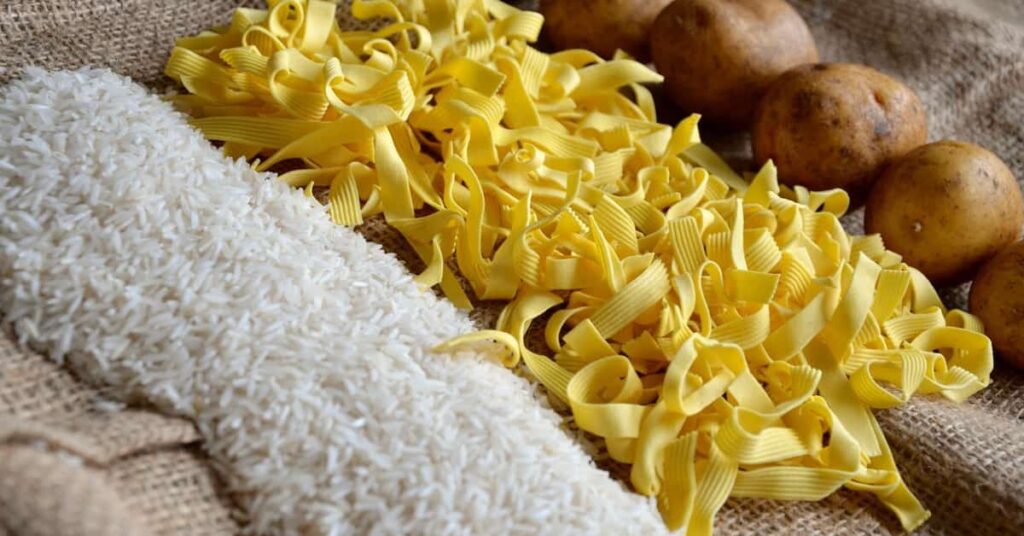
- Starches: These are “complex” carbs. They are made of long chains of sugar molecules. The body has to work harder to “unclip” these chains, providing a steadier stream of energy over time. Think potatoes, beans, and grains.
- Fiber: This is the “hidden” carb. The body actually can’t digest most fiber, but it’s essential for gut health and keeping you full. It’s found in plants like vegetables, nuts, and seeds.
Why Your Body Craves Carbs: The Benefits
If carbs were as bad as individuals say, our bodies wouldn’t be so efficient at processing them. Here is why you actually need them in the diet:
1. The Brain’s Favorite Fuel
The brain is an energy hog. Despite making up only about 2% of the body weight, it uses roughly 20% of the daily energy. Its preferred fuel source? Glucose. When you go “low carb,” you might experience “brain fog,” irritability, or difficulty concentrating. That’s just the brain complaining that the power is out.
2. Physical Performance and Recovery
If you like lifting weights, running, or even just going for long walks, you need glycogen. Glycogen is how the muscles store glucose for later use. When you exercise, the muscles tap into these stores. Without enough carbs, you’ll “hit the wall” much faster, and the recovery will feel like a slog.
3. Digestion and Heart Health
It is where fiber shines. Fiber adds bulk to the stool (sorry, but it’s true!) and helps things move along the digestive tract. Furthermore, certain kinds of fiber can help lower “bad” LDL cholesterol, reducing the chance of heart disease.
4. Satiety and Weight Management
Wait, carbs help with weight? Yes! Complex carbohydrates, the ones high in fiber, take longer to digest. It keeps you feeling full longer, preventing the mid-afternoon raid on the vending machine.

The “Good” vs. “Bad” Debate: Making Better Choices
Instead of “good” and “bad,” it’s more useful to think of carbs as Whole versus Refined.
Whole Carbohydrates
These are carbs in their natural, unprocessed state. They include the fiber and nutrients that nature intended.
- Examples: Whole grains (quinoa, oats), fruits, vegetables, legumes, & tubers (potatoes).
- The Vibe: These are “slow-burn” fuels. They give you steady energy without the crash.
Refined Carbohydrates
These have been processed to remove the fiber and many nutrients. It is done to make them shelf-stable or “tastier,” but it strips away the health advantages.
- Examples: White bread, white pasta, sugary cereals, pastries, and sweetened beverages.
- The Vibe: These are “flash-in-the-pan” fuels. Excellent for a quick burst, but they usually lead to a “sugar crash” and hunger shortly after.
The Ultimate Carb Food List
If you’re wondering what to put in the grocery cart, here’s a breakdown of the best sources to keep you fueled.
The “Superstar” Grains
- Oats: Awesome for heart health and keeping you full until lunch.
- Quinoa: Technically, it is a seed, but acts like a grain. It’s a rare plant source of “complete” protein.
- Brown Rice/Wild Rice: Way more fiber & minerals than the white version.
- Buckwheat: Naturally gluten-free and great for pancakes or noodles.
The Vegetable Kingdom
- Sweet Potatoes: Loaded with Vitamin A and slow-releasing energy.
- Beets: Great for blood flow and athletic performance.
- Carrots: Low-calorie but high in fiber and crunch.
- Cruciferous Veggies: Broccoli, cauliflower, & Brussels sprouts. They are low in “net carbs” but high in nutrients.
Legumes (The Hidden Gem)
- Lentils: An incredible mix of carbs, fiber, and protein.
- Chickpeas: The base of hummus, need we say more?
- Black Beans: Awesome for gut health and very affordable.
Fruits (Nature’s Candy)
- Berries: Blueberries, strawberries, and raspberries are low in sugar and high in antioxidants.
- Bananas: The excellent pre-workout snack for a quick boost.
- Apples: High in pectin, a type of fiber that’s great for digestion.

How to Take Carbs: Timing and Portions
It’s not just what you eat, but how and when you eat it. You don’t need a degree in nutrition to get this right. Here are some simple approaches.
1. The “Plate Method.”
A great rule of thumb for an average meal is the “Quarter Plate” rule:
- 1/2 of your plate: Non-starchy vegetables (spinach, peppers, broccoli).
- 1/4 of your plate: Lean protein (chicken, tofu, fish).
- 1/4 of your plate: Healthy carbohydrates (brown rice, sweet potato, quinoa).
2. Match Your Activity Level
Think of carbs like a budget. On days when you’re very active, going to the gym, hiking, or running errands all day, your “budget” for carbs is higher. You need that extra fuel. On “lazy Sundays” when you’re especially on the couch, you can scale back the portions slightly and focus more on veggies and protein.
3. Pre and Post-Workout Timing
- Before: Eat a small amount of simple-ish carbs about 30–60 minutes before a workout (like a banana or a slice of toast). It gives you immediate energy.
- After: Pair carbs with protein. The carbs help deliver the protein to the muscles, initiating the repair process.
4. Pair Your Carbs
One of the greatest mistakes individuals make is eating “naked carbs” like a bowl of plain pasta or a piece of dry toast. It causes a rapid spike or increase in blood sugar. Instead, “dress” the carbs with protein or healthy fats.
- Example: Rather than just an apple, have an apple with peanut butter. The fat and protein slow down the absorption of the sugar in the apple.
Common Misconceptions (The Myth-Busters)
Let’s clear up some of the most common lies floating around the internet.
Myth: “Eating carbs at night makes you fat.”
Truth: The body doesn’t have a magical clock that turns bread into fat at 8:00 PM. Weight gain is about the total calorie intake over time. If you eat a healthy dinner with carbs, the body will process them just fine while you sleep. In fact, for some individuals, a small amount of carbs at night helps them sleep better by boosting serotonin production.
Myth: “Fruit has too much sugar.”
Truth: There is a huge difference between the sugar in a Snickers bar and the sugar in a peach. Fruit arrives with fiber, water, and phytonutrients that slow down sugar absorption. You would have to eat a ridiculous amount of fruit to see the negative effects associated with processed sugar.
Myth: “Low-carb is the only way to lose weight.”
Truth: Low-carb diets work for some because they often lead to eating fewer calories overall and losing water weight quickly. Nevertheless, many people lose weight and maintain it while eating a high-carb, plant-based diet. The great “diet” is the one you can really stick to for more than three weeks.
A Note on “Low-Carb” Diets (Keto and Paleo)
While this article defends carbs, it’s worth noting that some people do feel better on lower-carb plans.
- The Keto Diet concentrates on high fat and very low carbs, forcing the body to burn fat for fuel (ketosis). It can be effective for certain medical conditions or short-term goals, but it’s often hard to maintain long-term.
- The Paleo Diet concentrates on whole foods and avoids grains and processed sugars. It is naturally lower in carbs but still allows for things like sweet potatoes and fruit.
Conclusion
Carbohydrates are not the enemy. They are the fuel that allows you to live a vibrant, active, & focused life. The key isn’t to cut them out completely, but to be intentional about the quality of the carbs you choose.
Focus on “whole” sources like grains, legumes, and colorful vegetables. Treat the refined stuff, the cakes, white breads, and sodas, as occasional treats rather than daily staples. By regarding carbs as a tool for energy rather than a “guilty pleasure,” you can develop a much healthier, more sustainable relationship with food.