Table of Contents
Introduction
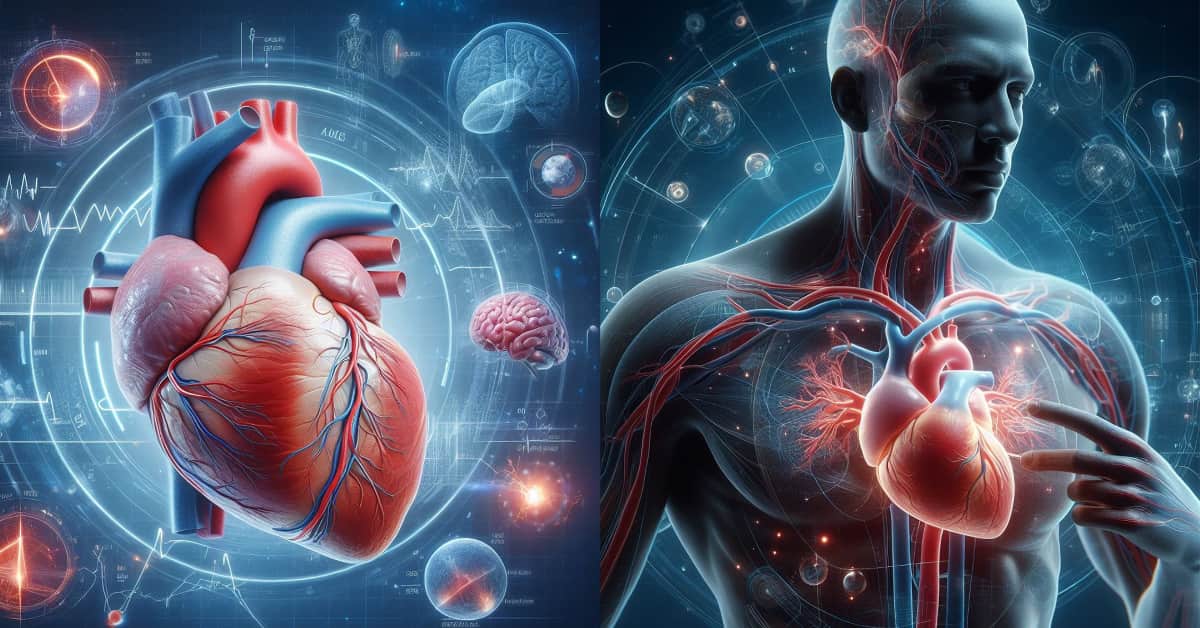
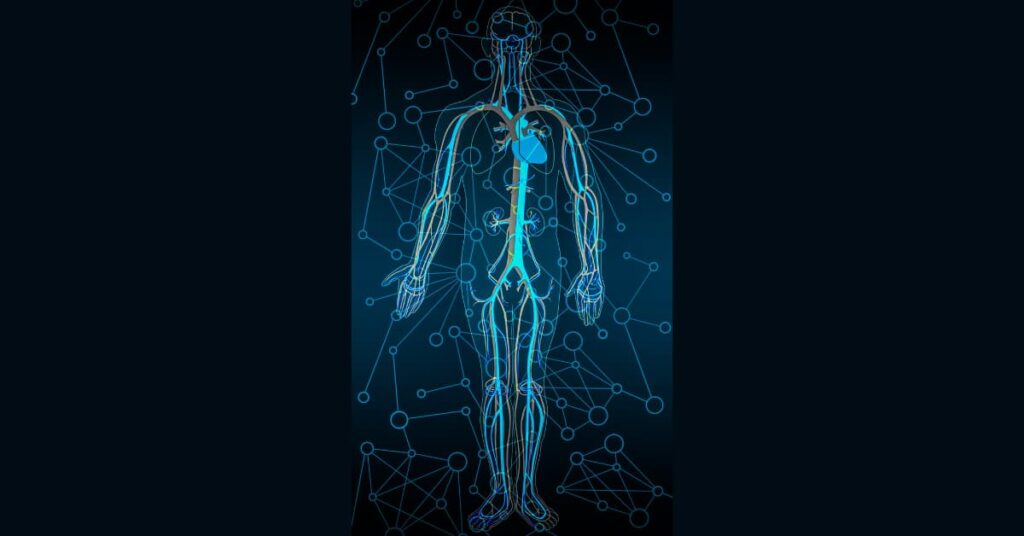
The cardiovascular and circulatory system serves as the body’s immediate transportation network, a sophisticated loop of vessels & pumps which supports life by ensuring every cell receives the resources it needs. At its center is the heart, a tireless muscular engine that pumps blood through a vast 60,000-mile network of arteries, veins, & capillaries. This system is responsible for more than just delivering oxygen & nutrients; it serves as a critical waste-disposal unit, removing carbon dioxide; a thermal regulator that maintains body temperature; and a rapid-response highway for the immune system to fight off infection. By constantly circulating this vital fluid, the system maintains the internal balance, or homeostasis, required for the other organs in the human body to function properly.

Understanding the Heart and Blood: A Deep Dive into the Cardiovascular and Circulatory System
We often hear the phrase “get the heart pumping,” but rarely do we stop to consider what that actually entails. The cardiovascular system is the ultimate logistics network. Imagine a city that never sleeps, where a massive fleet of delivery trucks works 24/7 to bring fresh supplies to every house and to collect trash. If the trucks stop, the city shuts down.
In our body, the heart is the engine, the blood is the cargo, and the blood vessels are the vast highway system. Together, they form the circulatory system, a complex loop that keeps you alive, thinking, and moving.
In this guide, we’re going to break down how this system works, why it sometimes runs into trouble, and most importantly, how you can keep the “engine” running smoothly for decades to come.
1. The Core Functions: What Does This System Actually Do?
It’s comfortable to say the heart “pumps blood,” but the purpose behind that pump is multifaceted. Here are the immediate jobs the circulatory system performs every second of life:
Oxygen and Nutrient Delivery
It is the “delivery truck” aspect. When you breathe in, the lungs transfer oxygen to the blood. The heart then pushes this oxygen-rich blood to every cell, from the brain to the big toe. Along the way, it also picks up nutrients from the food you digest and delivers them to the tissues that need energy.
Waste Removal
Cells produce “trash” as they work, mainly in the form of carbon dioxide and chemical byproducts. The circulatory system picks up this waste and carries it to the lungs (to be exhaled) or to the kidneys and liver (to be filtered out of the body).
Temperature Regulation
The blood acts as a liquid radiator. When you’re too hot, the blood vessels expand near the skin to release heat. When you’re cold, they constrict to keep the warmth centered around the vital organs.
Protection and Healing
The blood isn’t just fluid; it’s a transport for the immune system. White blood cells travel through the “highways” to find & fight infections. Additionally, platelets in the blood act like a mobile repair crew, rushing to the site of a cut to clot the blood and start the healing process.
2. The Main Players: Heart, Vessels, and Blood
To comprehend how to keep the system healthy, we first need to know who the “team members” are.
The Heart: The Powerhouse
The heart is a muscular pump about the size of the clenched fist. It’s divided into four chambers: the left and right atria (top) and the left and right ventricles (bottom).
- The right side of the heart collects deoxygenated blood and sends it to the lungs.
- The left part or side receives freshly oxygenated blood from the lungs & pumps it to the whole of the body.
The Vessels: The Highways
There are 3 prime kinds of blood vessels:
- Arteries: These are thick-walled, elastic tubes that carry blood away from the heart. They deal with high pressure.
- Veins: These carry blood back to the heart. They have valves that act like one-way trapdoors to prevent blood from flowing backward, especially when fighting gravity in the legs.
- Capillaries: These are microscopic vessels where the actual “exchange” happens. They are so thin that oxygen & nutrients can pass through their walls directly into the cells.
The Blood: The Cargo
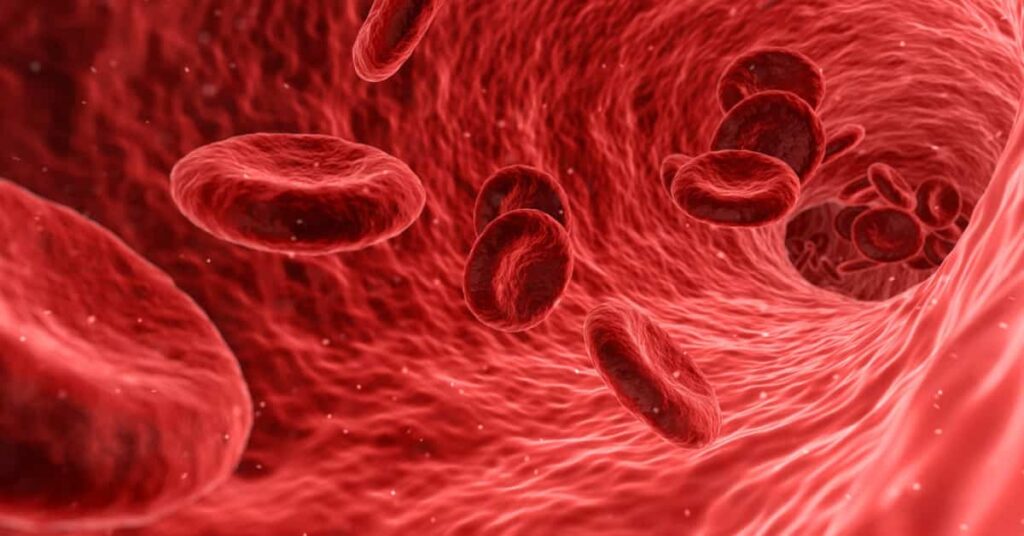
Blood is composed of plasma (the liquid), red blood cells (the oxygen carriers), white blood cells (the defenders), and platelets (the repairers).
3. Common Disorders: When the System Breaks Down
Even the best-engineered systems can face issues. Cardiovascular or issue disease is the leading cause of death globally, but so many of these conditions are preventable or manageable if caught early.
Hypertension (High Blood Pressure)
Think of this like a garden hose with too much water pressure. Over time, that constant force damages arterial walls, making them stiffer and more prone to scarring. It’s often called the “silent killer” because you can’t feel it happening.
Atherosclerosis (Hardening of the Arteries)
It occurs when fat, cholesterol, and other substances build up on the innerside walls of the arteries. This buildup is called plaque. As plaque grows, it narrows the “highway,” making it harder for blood to flow.
- Example: Imagine a pipe in an old house slowly clogging with mineral deposits until only a trickle of water can pass through.
Coronary Artery Disease (CAD)
This is when atherosclerosis specifically occurs in the arteries that supply the heart muscle. If the heart doesn’t get enough blood, it can result or outcomes in chest pain (angina) or a heart attack.
Heart Failure
It doesn’t mean the heart has stopped working entirely. It means the heart isn’t pumping as efficiently as it should. It leads to fluid build-up in the lungs or legs, causing shortness of breath and fatigue.
Arrhythmia
It is an issue with the heart’s “electrical wiring.” The heart might beat too fast, too slow, or skip beats. While some are harmless, others can lead to strokes if not treated.
4. How to Make the Cardiovascular System Healthy
The good news is that the heart is incredibly resilient. Unlike a car engine, the heart can actually get stronger and repair itself to some extent if you give it the right environment.
A. The “Heart-Smart” Diet
You are quite literally what you eat. To keep the vessels clear and the blood pressure low:
- Prioritize Fiber: Oats, beans, and lentils help “scrub” cholesterol out of the system.
- Healthy Fats over Trans Fats: Swap butter and lard for olive oil, avocados, and nuts. These “good fats” help reduce inflammation.
- Watch the Sodium: Salt makes the body hold onto water, which increases the blood volume and raises the blood pressure. Try seasoning with herbs and lemon instead.
- The “Colorful Plate” Rule: Aim for at least three different colors of vegetables at dinner. The antioxidants in brightly colored plants protect the artery linings.
B. Consistent Movement
You don’t need to run a marathon to save the heart. The heart is a muscle; like any muscle, it needs a workout.
- Aerobic Exercise: Walking, swimming, or cycling for thirty minutes most days makes the heart a more efficient pump.
- The “Movement Snacks” Strategy: If you have a desk job, stand up and walk for two minutes every hour. It prevents or stops blood from pooling in the legs and keeps the metabolism active.
C. Stress Management
When you’re stressed, the body releases cortisol & adrenaline. These hormones make the heart beat faster, and the blood vessels tighten. Chronic stress is like red-lining a car engine for weeks on end.
- The 4-7-8 Breathing Technique: Inhale for 4 seconds, hold for 7, exhale for 8. It physically signals the nervous system to “turn off” the stress response.
D. Quality Sleep
During sleep, the heart rate slows and the blood pressure drops. This “rest period” is essential for cardiovascular repair. Aim for 7 to 9 hours of uninter-rupted sleep.
5. Real-World Examples: Small Changes, Big Results
To see how these concepts work in real life, let’s look at two hypothetical scenarios.
Scenario A: The “Weekend Warrior” Mark is 45 and works a high-stress job. He sits for 10 hours a day and eats takeout. On Saturdays, he tries to play two hours of intense basketball. Mark often feels dizzy and has high blood pressure.
- The Fix: Instead of one giant burst of activity, Mark starts walking for 20 minutes during his lunch break. He swaps his afternoon soda for sparkling water and starts practicing 5 minutes of meditation before bed. Within three months, his resting heart rate drops significantly.
Scenario B: The Genetic Hurdle Sarah is 30 and physically active, but she has a family history of high cholesterol.
- The Fix: Even though Sarah looks healthy, she gets regular blood work. By adding more plant sterols (like those found in fortified foods and grains) and staying consistent with her cardio, she manages her levels without needing heavy medication, proving that “genetics loads the gun, but lifestyle pulls the trigger.”
6. Myths vs. Reality
There is a lot of misinformation out there. Let’s clear up a few things:
- Myth: “I’m thin, so I don’t have to worry about heart disease.”
- Reality: You can be “thin on the outside, fat on the inside” (TOFI). Internal fat around the organs and high cholesterol can affect anyone, regardless of their waist size.
- Myth: “Red wine is a heart-health superfood.”
- Reality: While some antioxidants in grapes are good, the alcohol itself can raise blood pressure. Moderation is key; it’s not a “medicine.”
- Myth: “If I had high blood pressure, I’d feel it.”
- Reality: Many individuals with dangerously high blood pressure feel perfectly fine until they have a major health event. Regular check-ups are the only way to know for sure.
7. The Importance of Regular Screenings
Knowledge is power. You can’t fix what you don’t measure. Make sure you know the “Big Three” numbers:
- Blood Pressure: Ideally 120/80 mmHg or lower.
- Cholesterol Levels: Specifically, the LDL (the “bad” stuff) and HDL (the “good” stuff).
- Blood Sugar: High blood sugar (diabetes) damages blood vessels over time, increasing the chance of heart disease.
Conclusion
Your cardiovascular and circulatory systems are masterpieces of biological engineering. It works tirelessly to ensure every part of the body has what it needs to survive. While it’s easy to take this silent worker for granted, the choices you make today, the salt you skip, the walk you take, the sleep you prioritize, determine how well that system will serve you in twenty years.
You don’t have to overhaul the entire life overnight. Begin by picking one thing: maybe it’s drinking an extra glass of water, or it’s taking the stairs instead of the elevator. The heart is already doing its part; it’s time to return the favor. Keeping the heart healthy isn’t just about living longer; it’s about having the energy and vitality to enjoy the life you have.