Table of Contents
Introduction
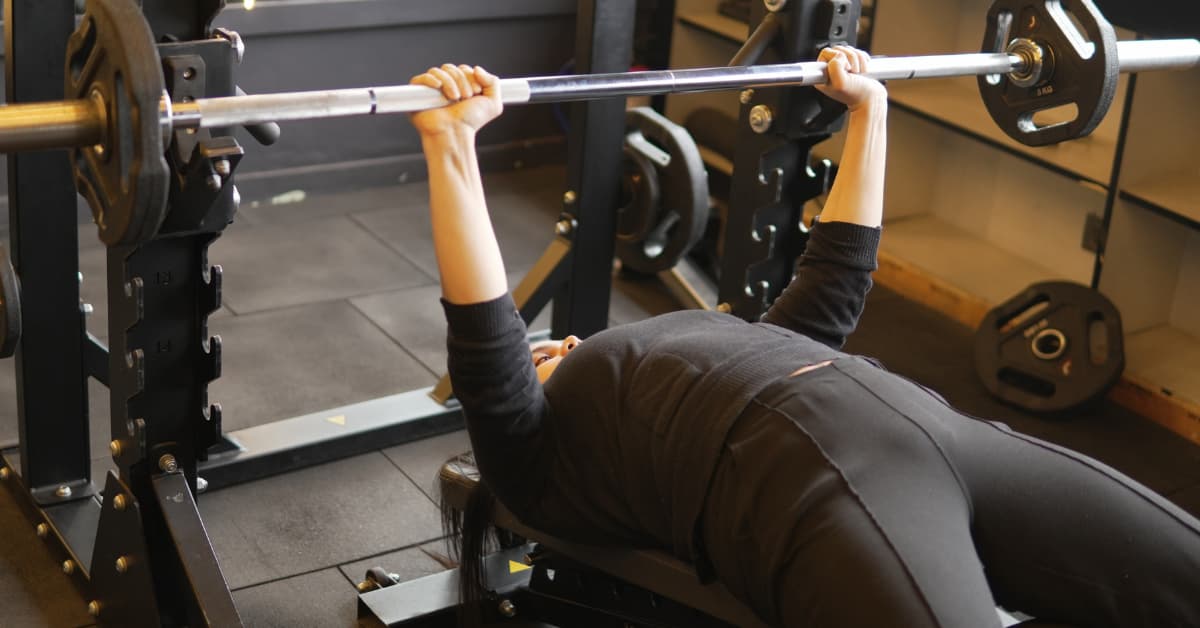
The Decline Bench Press is a compound strength-training movement that targets the lower pectoralis major (lower chest) while engaging the triceps and anterior deltoids. Unlike the traditional flat bench press, this variation is conducted on a bench set at a downward slope, generally 15 to 30 degrees, placing the lifter’s head lower than their feet and hips.
This special angle shifts mechanical stress, reducing strain on the shoulders (especially the rotator cuff) and minimizing back arching, which often allows athletes to lift heavier loads safely. By isolating the lower pectoral fibers more virtually than flat or incline bench press variations, the decline bench press is an essential movement for developing complete chest aesthetics and correcting muscle imbalances in the lower chest.
Decline Bench Press
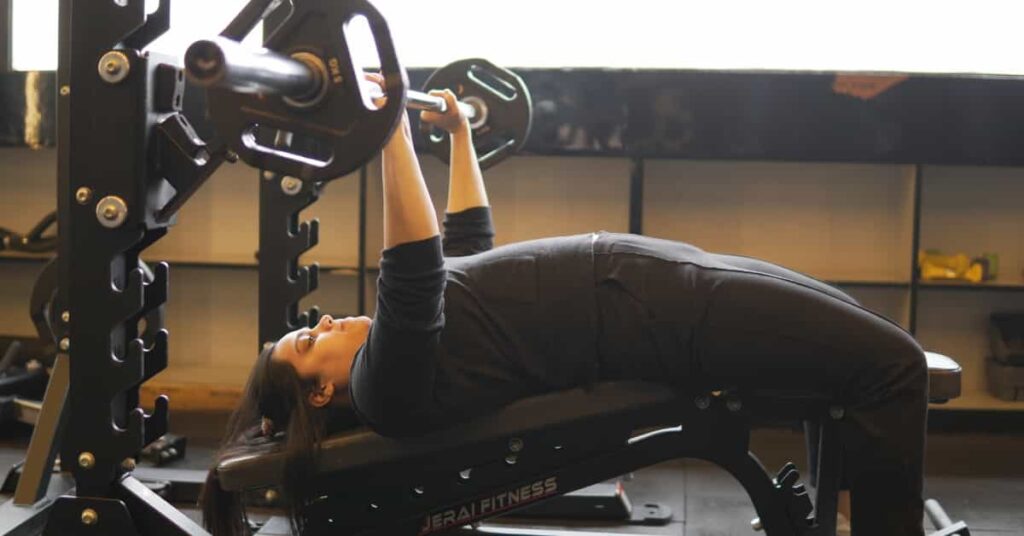
The movement or exercise is a specialized variation of the classic chest press, specifically engineered to stress the sternocostal head, or the lower chest region. Using a bench angled downward at 15 to 30 degrees changes the pressing path, putting the torso in a decline position with the hips elevated above the head.
This specific alignment drastically reduces the involvement of the front delts (shoulders), shifting the majority of the load onto the lower pecs and triceps. Because of this mechanical benefit and the shorter range of motion, many lifters find they can handle heavier weights on the decline press compared to the flat bench, making it a powerful tool for building overall chest thickness and mass while offering a “shoulder-friendly” alternative for those with joint sensitivity.
Decline Bench Press step by step
Here are the step-by-step instructions:
The Setup
- Secure Legs: Hook the feet firmly under the ankle pads to prevent sliding.
- Align Eyes: Lie back so the eyes or eyebrows are directly under the barbell.
- Grip: Grab the barbell bar slightly wider than shoulder-width (palms facing away).
- Shoulders: Pinch the shoulder blades together & press them into the bench.
The Movement
- Unrack: Hold the bar directly over your shoulders.
- Lower: Inhale and slowly lower the bar to the bottom of your chest (lower sternum).
- Elbows: Keep elbows tucked at a 45-degree angle (don’t let them flare out).
- Press: Exhale and drive the bar back up to the starting position.
Safety Checks
- No Bouncing: Touch the chest gently; do not bounce the bar off your ribs.
- Spotter: Always use a spotter, as the angle makes racking the weight difficult.
The following table shows which muscles are worked most during the different bench press angles:
| Muscle | Incline bench press | Flat bench press | Decline bench press |
| pectoralis major | yes | yes | yes |
| anterior deltoid | yes | yes | yes |
| triceps brachii | yes | yes | yes |
| biceps brachii | yes |
Decline Bench Press benefits
Here are the key advantages:
1. Superior Lower Chest Development
- Targeted Activation: This is the single best exercise for targeting the sternal head (lower portion) of the pectoralis major.
- Aesthetic Benefit: Developing the lower pecs creates a distinct “line” under the chest, giving the pectoral muscles a fuller, more “squared-off” appearance rather than a rounded one.
2. Reduced Shoulder Strain
- Shoulder Saver: The decline angle shifts much of the load away from the front deltoids (front of the shoulder).
- Why it matters: If you suffer from shoulder pain or rotator cuff issues during flat or incline pressing, the decline press is often the most comfortable and pain-free variation because it places the shoulders in a mechanically safer position.
3. You Can Lift a Heavier Weight
- Mechanical Advantage: Most people are stronger on the decline bench than on the flat or incline.
- Range of Motion: It’s slightly shorter (because the chest is elevated to meet the bar), and your lats can assist more with stabilization at the bottom. It allows you to overload the chest muscles with heavier loads, which is excellent for raw strength gains.
4. Increased Triceps Activation
- Because of the angle and the pressing path, the decline press heavily recruits the triceps. It is a powerful compound movement for building thick, strong arms and a broad chest.
5. Less Stress on the Lower Back
- No Arching: On a flat bench, lifters often arch their back to stabilize the weight, which can aggravate lower back pain.
- Locked In: On a decline bench, your legs are hooked into pads, and your back remains flush against the pad. It eliminates the requirement to arch, keeping the lumbar spine neutral and safe.
Decline Dumbbell Bench Press:
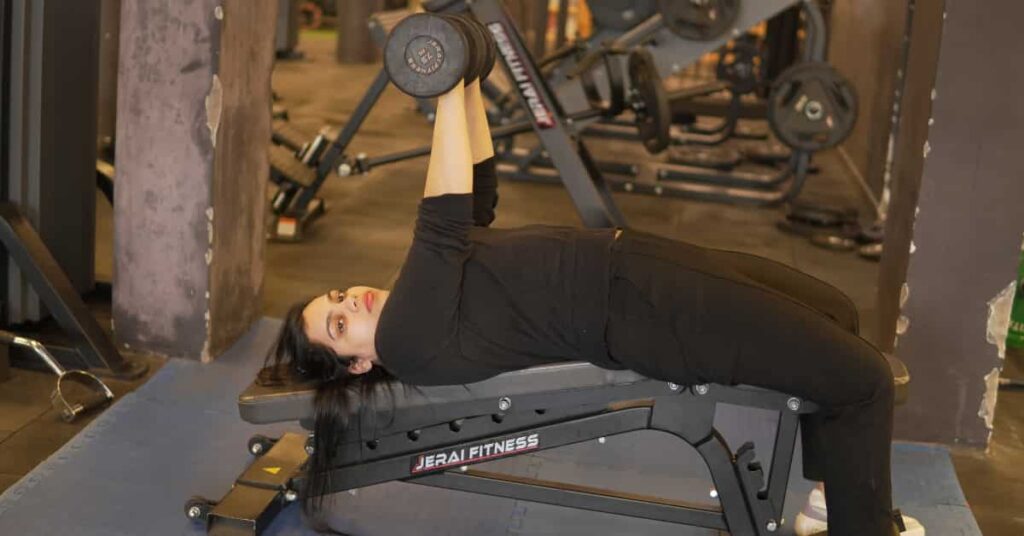
To perform the Decline Dumbbell Bench Press, secure your legs under the bench pads and carefully lie back, bringing the dumbbells to your sides with your elbows at 45 degrees. Exhale as you press these weights straight up over your lower chest, bringing them close together at the top to maximize the contraction, then slowly lower them until you feel a deep stretch in your pecs. This variation is highly effective for isolating the lower chest and thickening the pectoral muscles, while allowing for a greater range of motion and less shoulder stress than the barbell version.
Decline Bench Press Barbell:
To perform the Decline Barbell Bench Press, start by hooking the legs securely under the ankle pads to prevent sliding & lie back so the eyes are directly under the bar. Grab the barbell little wider than shoulder-width, unrack it, and stabilize it over your shoulders before inhaling and lowering the bar in a controlled manner to touch the bottom of your chest or lower sternum.
Exhale as you drive the weight back to the beginning position using your chest and triceps, ensuring you control the movement without bouncing the bar off your rib cage. This compound exercise is specifically designed to target the lower pectoral muscles for increased thickness and allows for heavier lifting due to reduced strain on the shoulders.
Decline Bench Press machine:
To perform the Decline Bench Press on a machine, sit securely in the seat and adjust the height so that the handle aligns with the bottom of your chest or lower sternum. Grab the handles with a firm overhand grip, exhale, and press the weight forward and downward until the arms are fully extended, focusing on squeezing the lower pectorals at the peak of the movement. Slowly-slowly return the handles to the starting position under control without letting the weight stack slam together. This machine variation offers great stability and safety, allowing you to isolate the lower chest muscles effectively without the balance requirements or spotter needed for free weights.
Decline Bench Press, Smith Machine:
To perform the Decline Bench Press on a Smith Machine, place a decline bench under the bar so that when the bar is lowered, it aligns perfectly with your lower chest (bottom of the sternum). Lie back, secure your legs, grip the bar slightly wider than shoulder-width, and rotate your wrists to unhook the safety latches. Inhale as you lower the bar in a slow, fixed path until it lightly touches your lower chest, then exhale and press the bar back up to the starting position. This variation provides a guided range of motion that eliminates the need to stabilize the weight, allowing you to focus entirely on squeezing the lower pectoral muscles safely, even without a spotter.
Decline Bench Press Alternatives
If you don’t have access to a decline bench or find the position uncomfortable (blood rushing to the head), these are the best alternatives to target the lower chest.
1. Chest Dips (The “Squat” of the Upper Body)
This is arguably the most effective bodyweight alternative.
- How to do it: Grip parallel bars. Lift your body. Lean your torso forward (approx 30–45 degrees) as you lower yourself.
- Why it works: The forward lean emphasizes the lower pecs rather than the triceps.
- Note: If you stay vertical, it hits the triceps; lean forward to hit the chest.
2. High-to-Low Cable Crossovers
Great for finishing a workout and getting a “squeeze” (peak contraction).
- How to do it: Set the cable pulleys to the highest position. Grab the handles, step forward, and pull your hands down and together in front of your waist.
- Why it works: The downward pulling motion mimics the angle of the decline press perfectly.
3. Incline Push-Ups (Hands Elevated)
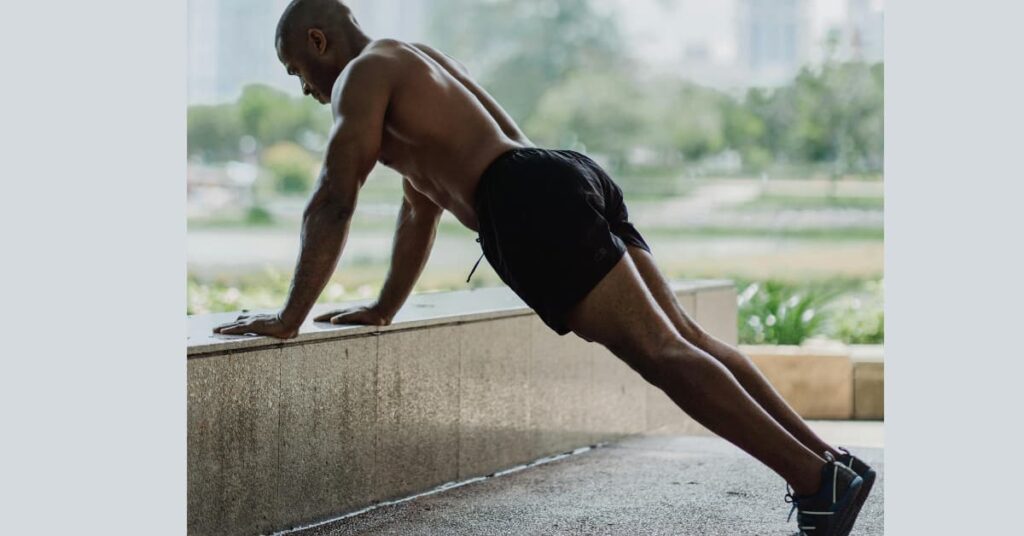
Confusing Name Alert: While called an “Incline” push-up, it actually mimics the Decline Bench Press mechanics.
- How to do it: Place your hands on a bench or sturdy box & your feet on the floor. Lower the chest to the edge of the bench.
- Why it works: Because the torso is upright relative to the legs, you are pressing downward at an angle, targeting the lower chest.
4. Standing One-Arm Landmine Press
- How to do it: Place one end of a barbell bar in a landmine attachment. Stand sideways to it. Press the bar across your body and slightly forward/up.
- Why it works: It allows for a unique pressing angle that activates the pectorals heavily while being very shoulder-friendly.
Decline Bench Press angle
The optimal angle for a Decline Bench Press is 15 to 30 degrees.
Most commercial gyms have fixed decline benches set within this range (typically 30 degrees), which is considered the “sweet spot” for safety and muscle activation.
Here is a breakdown of why this angle matters:
1. The Sweet Spot (15°–30°)
- Maximum Chest Activation: At this slight decline, you lower the involvement of the front deltoids (shoulders) significantly, forcing the lower pecs (sternal head) to take the majority of the load.
- Safety: This angle is steep enough to shift the muscle focus but shallow enough that you don’t feel like you are sliding off the bench or that all your blood is rushing to your head.
2. Why Not Steeper? (45° or more)
You might see some people doing very steep decline sit-ups, but you should generally avoid pressing at extreme angles (45°+) for a few reasons:
- Range of Motion Reduced: The steeper you go, the shorter the distance the bar travels, which reduces muscle stretch.
- Blood Pressure: A steep angle increases intracranial pressure (blood rushing to the head/eyes), which can cause dizziness or burst capillaries in the eyes during heavy exertion.
- Instability: It becomes much harder to stabilize your body and the weights, increasing the risk of the weight slipping backward.
Quick Tip for Adjustable Benches
If you are using an adjustable bench (one where you hook your legs and manually set the pin):
- Start shallow (15°): If you are new to the movement.
- Move to standard (30°): Once you are comfortable with the blood pressure change and stability.
Decline Bench Press Precautions and Common Errors
Here are the key precautions and errors for the Decline Bench Press in concise points:
Safety Precautions
- Use a Spotter: Compulsory for heavy lifts; the bar rolls toward the neck if you fail.
- Secure Grip: Wrap thumbs around the bar (no thumbless grip) to prevent slipping.
- Check Pads: Ensure the legs are securely locked to prevent backward sliding.
- Sit Up Slowly: Avoid dizziness by taking the time getting up after a set.
Common Errors
- Wrong Touch Point: Do not lower the bar to the neck/upper chest; aim for the lower sternum.
- Bouncing: Do not bounce the bar off your ribs; control the weight down.
- Elbow Flare: Keep elbows tucked at 45°, not flared out to the sides.
- Lifting Head: Keep your head glued to the bench to avoid neck strain.
Conclusion
The movement or exercise is a specialized variation of the classic chest press, specifically engineered to stress the sternocostal head, or the lower chest region. Using a bench angled downward at 15 to 30 degrees changes the pressing path, putting the torso in a decline position with the hips elevated above the head.