Table of Contents
Introduction
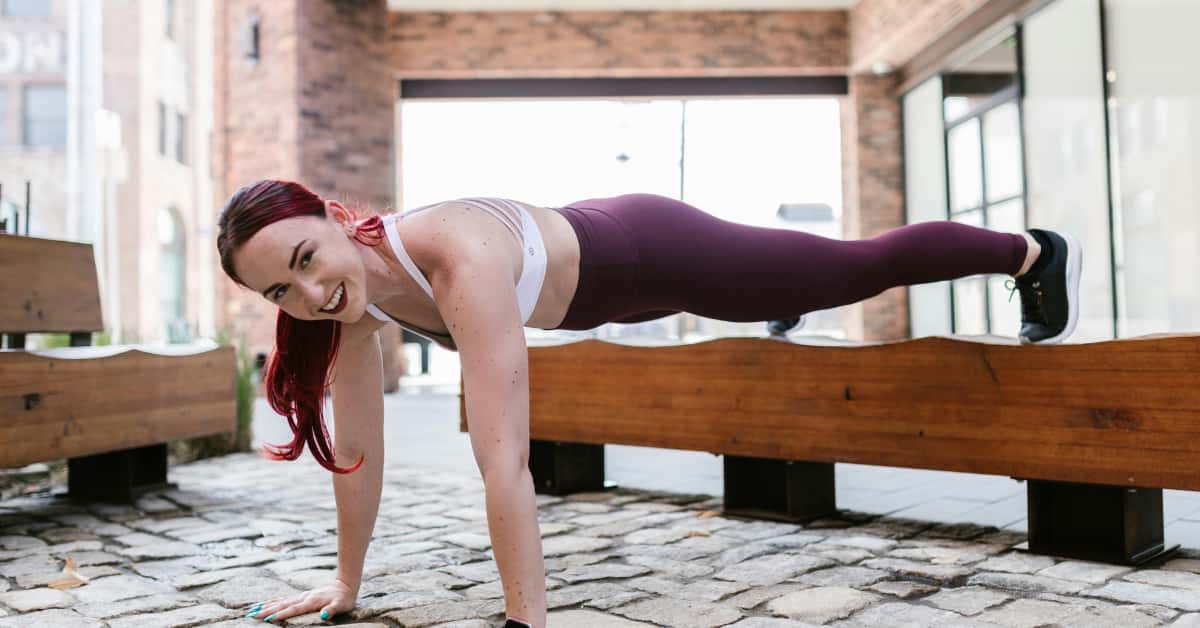
The Decline Push up is a progressive bodyweight movement that targets the upper pectoral muscles and anterior deltoids by elevating the feet above the level of the hands. By placing the feet on a bench, step, or sturdy platform, you shift a greater percentage of the body weight toward the upper body, increasing the resistance compared to a standard flat push-up. This shift in angle especially emphasizes the clavicular head of the pectoralis major, creating it an effective tool for building chest volume and enhancing shoulder stability. Because of increased upper-extremity load and greater demand for core bracing to maintain a straight spine, it is commonly suggested for individuals who have already mastered the basic push-up technique.
Decline Push up
A decline push-up is a more rigorous version of a regular push-up, where you place the feet on a raised surface, such as a bench or chair, while keeping your hands on the floor. Because the body is tilted downward, more of the body weight is pushed onto your arms and chest, causing the move to feel much heavier. This specific angle focuses the work on your upper chest and shoulders, allowing you to build strength and definition in areas that standard push-ups might miss. It’s a great challenge once regular push-ups start feeling too easy.
Decline Push up muscles worked.
When you complete a decline push-up, the angle of the body shifts the load, especially toward the upper torso. It makes it a “compound” exercise, meaning it works numerous muscle groups at once.
Primary Muscles
These are the muscles doing the heavy lifting:
- Upper Chest (Clavicular Head of Pectoralis Major): This is the primary target. The downward angle focuses the tension on the upper part of your chest, near your collarbone.
- Front Shoulders (Anterior Deltoids): Because you are pushing “up” relative to your body, your shoulders take on a much larger share of the weight than in a flat push-up.
- Triceps: The muscles on the back of your arms work hard to straighten your elbows at the top of the movement.
Secondary & Stabilizing Muscles
These muscles support your body and keep your form steady:
- Core (Abs and Obliques): Your midsection acts like a bridge, staying tight to prevent your hips from sagging or your back from arching.
- Serratus Anterior: These are the “finger-like” muscles on the side of your ribs that help stabilize your shoulder blades.
- Lower Back and Glutes: These help maintain the rigid, straight-line position of your body throughout the rep.
Decline Push up Instructions
Here are the simple points for doing a decline push up:
The Setup
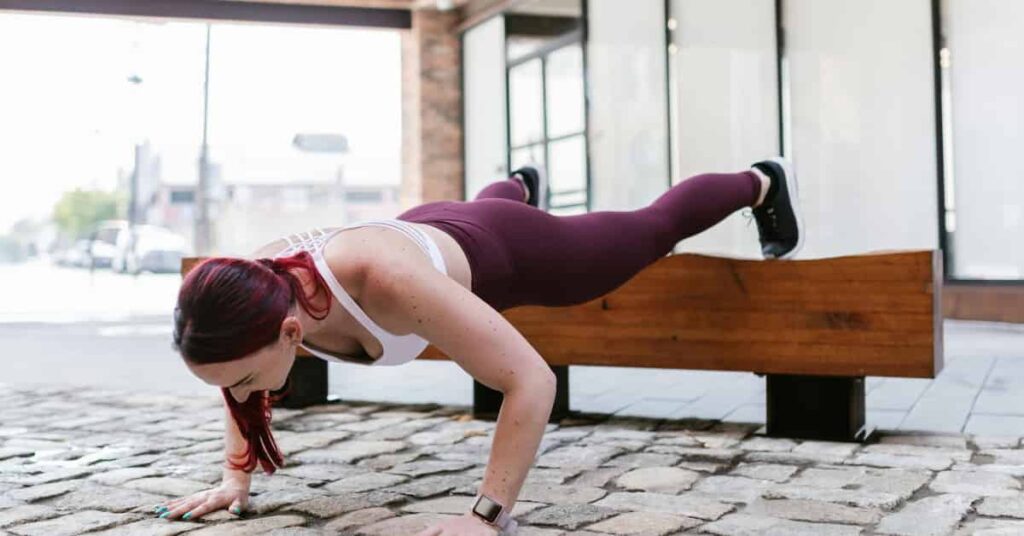
- Hands: Place them on the floor, narrowly wider than the shoulders.
- Feet: Put them up on a bench, chair, or step.
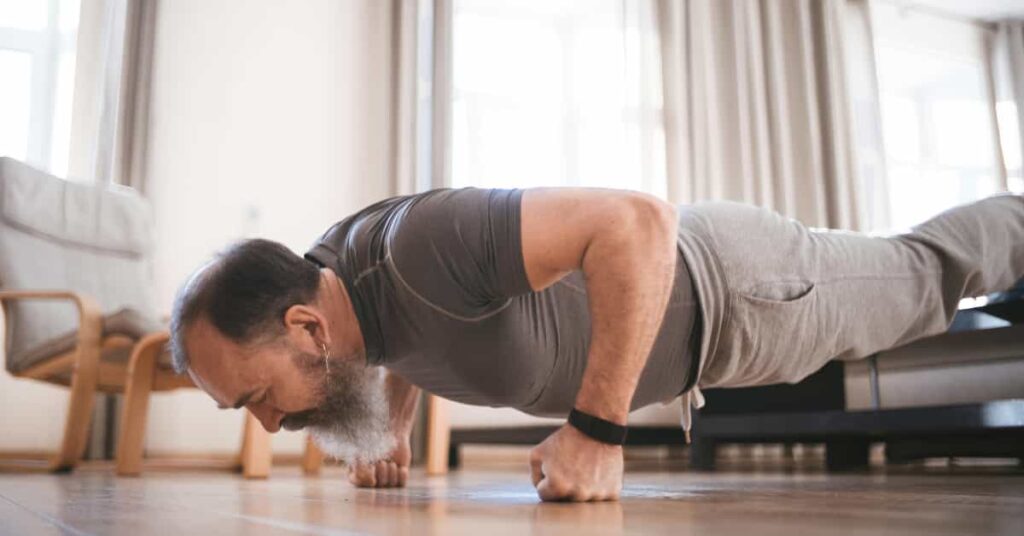
- Body: Keep a straight line from the head to the heels.
- Core: Tighten the stomach and squeeze your glutes.
The Move
- Lowering: Bend your elbows to lower your chest toward the floor.
- Elbows: Keep them tucked in at an angle (don’t flare them out wide).
- Depth: Stop when the chest is just above the floor.
- Pushing: Press through the hands to go back to the start.
Quick Tips
- Breathing: Breathe in on the way down, breathe out on the way up.
- Neck: Look at the floor slightly in front of you (don’t look at your feet).
- Hips: Don’t let your hips sag toward the ground.
Decline push-up benefits
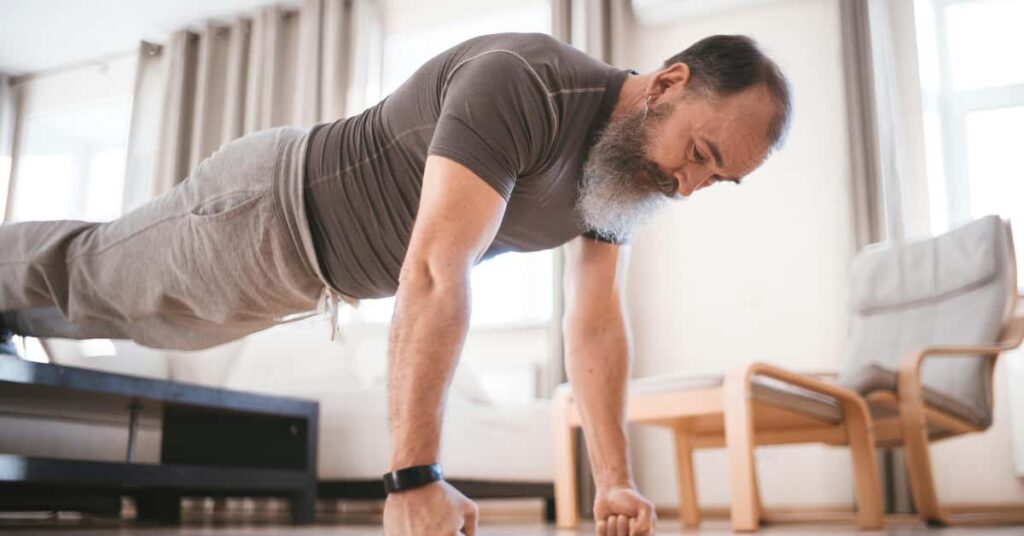
The decline push up is a powerful variation because it utilizes gravity to make the own body weight feel heavier. Here are the main advantages in simple points:
1. Targets the Upper Chest
- While regular push-ups work the whole chest, the downward angle targets the upper pectorals (near the collarbones).
- It helps fill out the top of the chest for a more balanced look.
2. Builds Stronger Shoulders
- Because the body is tilted, the shoulders have to carry more weight than in a flat push-up.
- It strengthens the front of the shoulders and the small muscles that stabilize the shoulder joints.
3. More Resistance (Heavier Load)
- In a standard push-up, you lift about 65–70% of your body weight.
- In a decline push up, that number goes up. The higher you put the feet, the more weight you are actually “lifting” with the arms.
4. Massive Core Challenge
- Gravity pulls the hips toward the floor.
- Your abs and lower back have to work double-time to keep the body in a straight line, making this a great “hidden” core workout.
5. Better “Pushing Power.”
- This exercise translates well to real-life movements, like pushing a heavy object overhead or improving your performance in sports like volleyball or basketball.
Decline push-up alternatives
If the decline push-up is too difficult or you want to mix things up, here are some simple alternatives that work the same muscles (upper chest, shoulders, and triceps).
1. Bodyweight Alternatives (At Home)
- Incline Push-ups (Easier): Place the hands on a bench and feet on the floor. It is the opposite of a decline and is much easier for beginners.
- Standard Push-ups: Hands and feet on the floor. It works the whole chest evenly.
- Pike Push-ups (Harder for Shoulders): Put your hands on the floor, then pike the hips high so the body forms an “A.” It focuses almost entirely on your shoulders.
- Diamond Push-ups: Bring your index fingers and thumbs together to form a diamond. It makes the triceps work extra hard.
2. Gym/Equipment Alternatives
- Incline Bench Press: Lie on a bench tilted upward and press a barbell or dumbbells. It is the “gold standard” for building the upper chest.
- Dips: Using parallel bars, lower your body and push back up. If you lean forward slightly, it targets the chest; if you stay upright, it targets the triceps.
- High-to-Low Cable Flys: Use a cable machine to pull the handles from head height down to your waist. It mimics the angle of the decline push-up.
- Dumbbell Floor Press: Lie on the floor & press dumbbells up. The floor stops your elbows from going too deep, making it safer for people with shoulder pain.
Precautions and Common Errors
To keep your decline push-ups safe and effective, focus on these key precautions and avoid these common mistakes.
Common Errors
- Sagging Hips: Letting your lower back arch or your hips drop toward the floor. It strains your spine and means your core isn’t working.
- “T-Shape” Elbows: Flaring your elbows out wide (at 90 degrees). It puts extreme stress on your shoulder joints and can lead to injury.
- Half Reps: Not going low enough or failing to lock out at the top. It cheats the chest and triceps of the whole workout.
- Feet Too High: Raising your feet too high (like on a tall table). It turns the move into a shoulder press, making it much harder to keep your back straight.
- Looking Up: Cranking your neck to look forward or up. It strains the neck; you should look at the floor slightly ahead of your hands.
Safety Precautions
- Wrist Health: If your wrists hurt, use push-up bars or dumbbells as handles. It keeps the wrists straight rather than bent back on the floor.
- The “45-Degree” Rule: Always keep your elbows tucked at a 45-degree angle (like an arrow shape, not a “T”).
- Shoulder Check: If you feel a sharp pinch or hear “clicking” in the shoulders, stop immediately. You may need to lower your feet or return to standard push-ups.
- Core Bracing: Imagine someone is about to poke you in the stomach. Squeeze your abs and glutes hard to keep your body like a solid plank.
- Master the Basics: Don’t begin decline push-ups until you can do 15–20 perfect flat push-ups. The extra weight from the decline is too much for beginners.
Conclusion
The decline push-up is an excellent tool for anyone looking to level up their chest and shoulder strength without needing heavy gym equipment. By simply raising your feet, you transform a basic move into a high-performance exercise that builds a powerful upper chest and a rock-solid core.