Table of Contents
Introduction
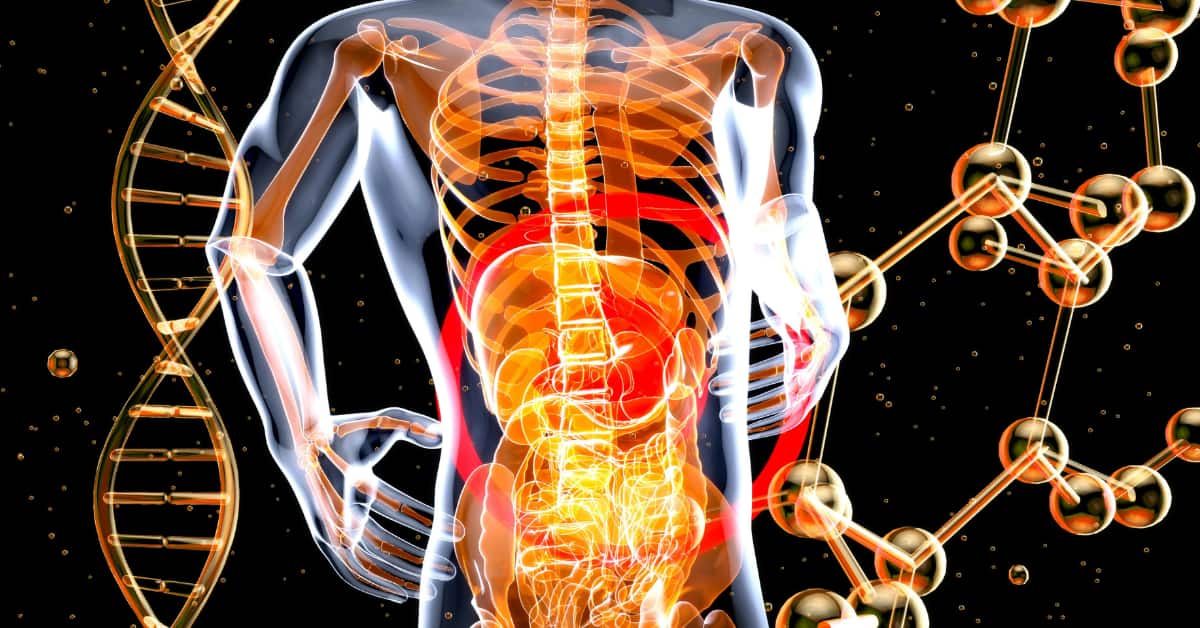
The digestive system is essentially the body’s personal refinery, a complex & highly coordinated network of organs designed to transform the food you eat into the fuel that keeps you alive. Beginning from the moment you take a bite, the system works tirelessly to break down large, complex molecules like proteins, fats, & carbohydrates into tiny nutrients that may be absorbed into the bloodstream & delivered to the cells. It isn’t just about processing food, though; it also acts as a vital barrier, filtering out toxins & managing waste to ensure the internal environment stays balanced.
Without this intricate process, the body wouldn’t have the energy to repair itself, grow, or even perform basic daily functions, making gut health the literal foundation of overall well-being.
Have you ever stopped to wonder what actually happens to that slice of pizza or that morning apple after you take a bite? Most of us don’t give it much thought until we feel a bit bloated or get a stomachache. But the truth is, the digestive system is one of the hardest-working “machines” in the world. It’s a 30-foot-long biological factory that works 24/7 to turn food into the energy and nutrients that keep you alive.
In this guide, we’re going to break down everything you need to know about the gut, from how it works to how you can keep it in tip-top shape through simple lifestyle choices.
1. What Exactly Is the Digestive System?
Think of the digestive system as a complex transit system. Its primary job is digestion (breaking food down) and absorption (taking those nutrients into the bloodstream). Anything the body can’t use is then packaged up and sent out as waste.
Without this system, the body couldn’t repair cells, grow, or produce the energy you need to walk, talk, or even breathe.
2. The Anatomy: Meet the Players
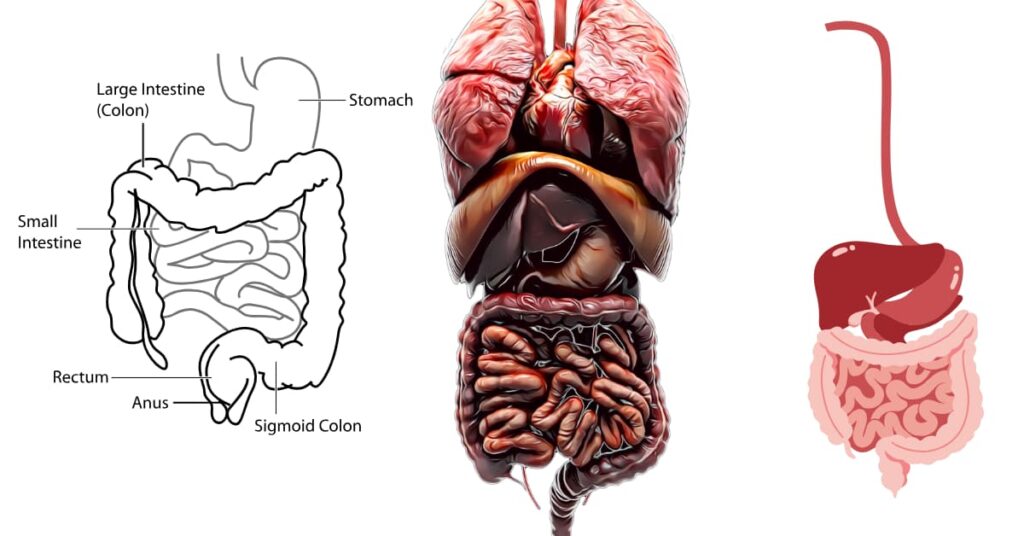
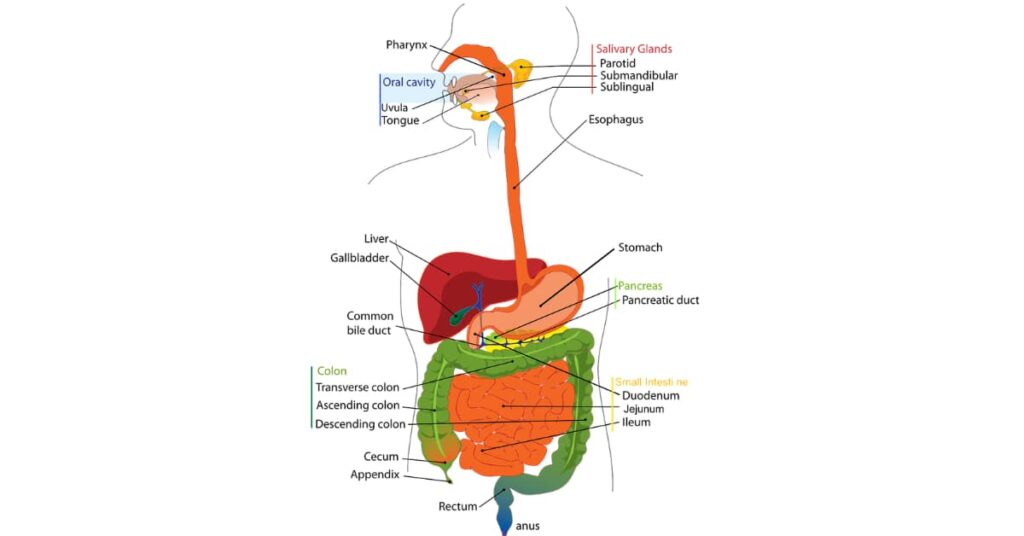
The digestive system isn’t just the stomach. It’s a team effort involving several organs, often called the Gastrointestinal (GI) Tract.
The Upper GI Tract
- The Mouth: This is where the magic starts. The teeth mechanically break food down, while saliva contains enzymes that begin chemically breaking down starches.
- The Esophagus: A muscular tube that acts like a slide, pushing food down to the stomach using a wave-like motion named peristalsis.
- The Stomach: Think of this as a concrete mixer. It uses strong acids and enzymes to turn the food into a liquid paste named chyme.
The Lower GI Tract
- The Small Intestine: Don’t let the name fool you; this is the star of the show. It’s about 20 feet long! This is where 90% of nutrient absorption happens.
- The Large Intestine (Colon): Its main job is to soak up water and turn the leftovers into solid waste.
- The Rectum and Anus: The final exit point for waste.
The Support Crew (Accessory Organs)
- Liver: The body’s “chemical lab.” It creates bile, which helps digest fats.
- Pancreas: It makes “juices” that break down carbs, fats, and proteins.
- Gallbladder: A small storage pouch for the bile made by the liver.
3. How It Works: A Step-by-Step Process
To comprehend how it functions, let’s follow a meal, say, a chicken salad, through the body.
- Ingestion: You take a bite. The saliva starts breaking down the croutons.
- Digestion: The chicken (protein) and salad dressing (fat) get churned in the stomach.
- Secretions: The gallbladder secretes bile into the small intestine to help break down dietary fats.
- Absorption: The vitamins from the veggies and the amino acids from the chicken pass through the walls of the small intestine into the blood.
- Excretion: The fiber from the greens that the body can’t digest moves to the large intestine for later removal.
4. Common Disorders: When Things Go Wrong
Even the best machines have hiccups. Here are some common issues people face:
Acid Reflux (GERD)
It happens or done when the stomach acid flows back up into the esophagus,which causing a burning sensation called as heartburn.
- Example: Feeling a “burn” in the chest after eating a very spicy or greasy meal late at night.
Irritable Bowel Syndrome (IBS)
A common disorder affecting the large intestine. It causes cramping, abdominal pain, bloating, gas, and diarrhea or constipation. It’s often triggered by stress or specific foods.
Celiac Disease
An immune reaction or action to eating gluten (a protein located in wheat, barley, and rye). Over time, this reaction damages or harms the lining of the small intestine.
Gallstones
Small, hard deposits that form in the gallbladder. They can be incredibly painful if they block a bile duct.
5. Eating for Your Gut: The Best Diet Tips
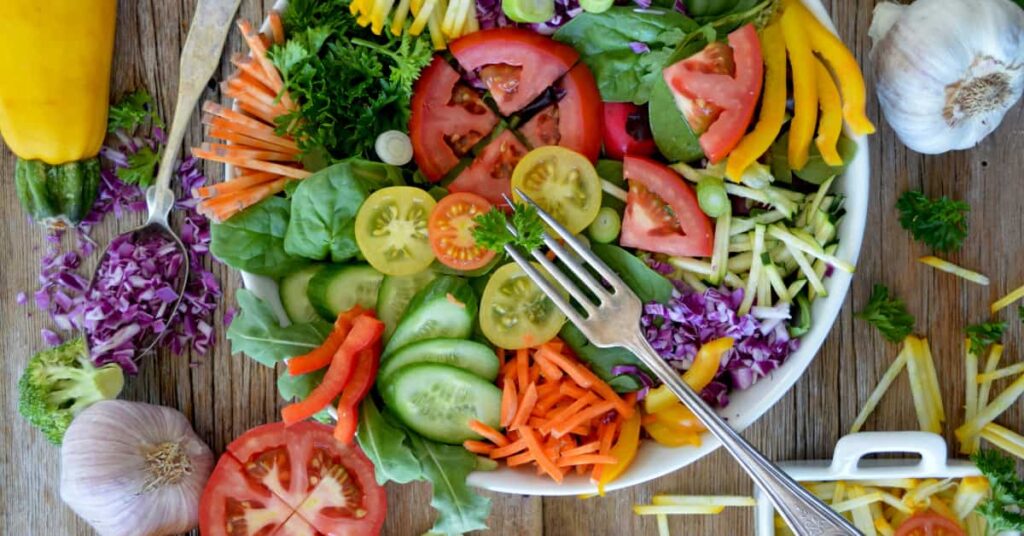
If you want a healthy gut, you have to feed it right. It’s not just about “eating clean”; it’s about eating for the microbes.
Load Up on Fiber
Fiber is like a broom for the intestines. It keeps things moving and prevents constipation.
- Soluble Fiber: Found in oats, beans, & apples. It turns into a gel and slows digestion (keeping you full).
- Insoluble Fiber: Located in whole grains and vegetables. It adds bulk to your stool.
Prioritize Probiotics and Prebiotics
- Probiotics: These are “good” bacteria. You find them in fermented foods like yogurt, kimchi, and sauerkraut.
- Prebiotics: These are the foods for the good bacteria. Think garlic, onions, and bananas.
Stay Hydrated
Water is necessary for digestion. It helps dissolve fats & soluble fiber, allowing them to pass through more easily. Without enough water, you’re on the fast track to constipation.
Healthy Fats are Key
While greasy fast food is bad for digestion, healthy fat (such as nuts, avocados, & olive oil) actually help the body absorb certain vitamins (A, D, E, and K).
6. Move the Body: Exercises for Digestion
Most individuals think exercise is just for muscles or weight loss, but the gut loves a good workout too!
Walking After Meals
A simple 15-minute walk after lunch or dinner can significantly speed up time it takes for food or meal to move from the stomach into the small intestine. It helps lower bloating and prevents that “heavy” feeling.
Yoga Twists
Specific yoga poses, especially “twists,” act like a gentle massage for your internal organs.
- Try this: The “Seated Spinal Twist” can help stimulate the digestive tract and relieve gas.
Core Strengthening
Strong abdominal muscles help keep the digestive organs in place and can improve the efficiency of the muscles that move food through the system.
Deep Breathing (Diaphragmatic Breathing)
Stress is a major “gut-killer.” When you’re stressed, the body goes into “fight or flight” mode, and digestion shuts down. Deep belly breathing activates the “rest and digest” system (the parasympathetic nervous system).
7. Practical Habits for a Happy Stomach
Beyond diet and exercise, how you eat matters just as much as what you eat.
- Chew The Food Thoroughly: Digestion starts in the mouth. If you swallow big chunks, the stomach has to work twice as hard. Aim for 20-30 chews per bite.
- Eat on a Schedule: The body likes routine. Eating at the same time every day helps regulate the digestive “clock.”
- Listen to the Hunger Cues: Stop eating when you’re 80% full. Overeating puts immense pressure on the stomach and the sphincters that keep acid down.
- Manage Stress: Since the gut & brain are connected (the gut-brain axis), a stressed mind often leads to a stressed stomach.
Conclusion
The digestive system is remarkably resilient, but it isn’t invincible. By understanding the roles of the organs from the mouth to the colon and supporting them with high-fiber foods, plenty of water, and regular movement, you can prevent the most common digestive issues before they even start.
Remember, healthy gut is the foundation of a healthy life. When the digestion is working well, you have more energy, better skin, & a stronger immune system. So, the next time you sit down for a meal, take a moment to appreciate the incredible journey that food is about to take.