Table of Contents
Introduction
The Hammer Curl is a famous strength-training variation of the traditional bicep curl, represented by a neutral grip in which the palms face each other throughout the movement. Unlike standard curls that essentially isolate the biceps brachii, this “thumbs-up” hand position shifts a powerful portion of the load to the brachialis, a deep muscle beneath the bicep, & the brachioradialis of the forearm.
By targeting these distinct areas, hammer curls help build overall arm thickness, improve the bicep’s “peak” by pushing it upward, and greatly improve grip strength and wrist stability. This training is widely favored by athletes and bodybuilders alike because it is generally more joint-friendly on the wrists and elbows than supinated curls, making it a versatile staple for developing functional, well-rounded arm power.
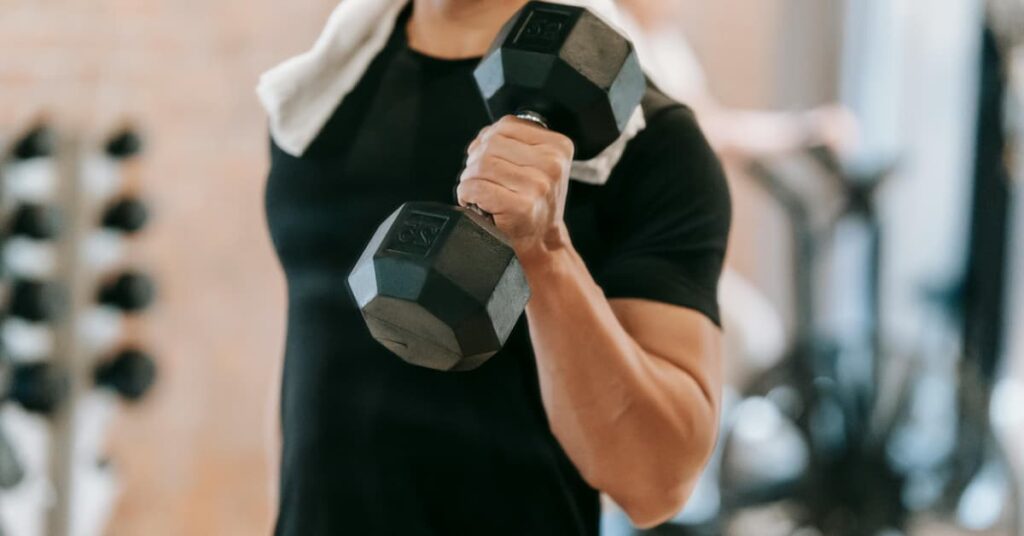
Hammer Curl
The Hammer Curl is a fundamental weightlifting training designed to build both upper-arm mass and forearm density by using a neutral grip, palms facing inward, as if holding a hammer. While traditional curls highlight the biceps brachii, the vertical hand position of the hammer curl shifts the mechanical tension toward the brachialis & the brachioradialis.
This muscle runs along the top of the forearm around the elbow. This double targeting not only makes the appearance of a wider, thicker arm but also delivers a functional benefit by strengthening the grip and keeping the elbow joint. Because neutral positions place less strain on the wrists than palms-up movements, they are often considered a safer and more comfortable alternative for those looking to maximize arm development.
Hammer Curl form and instructions
Here are the core facts for performing the Hammer Curl with perfect form:
Setup
- Stance: Stand tall with feet shoulder-width apart & core engaged.
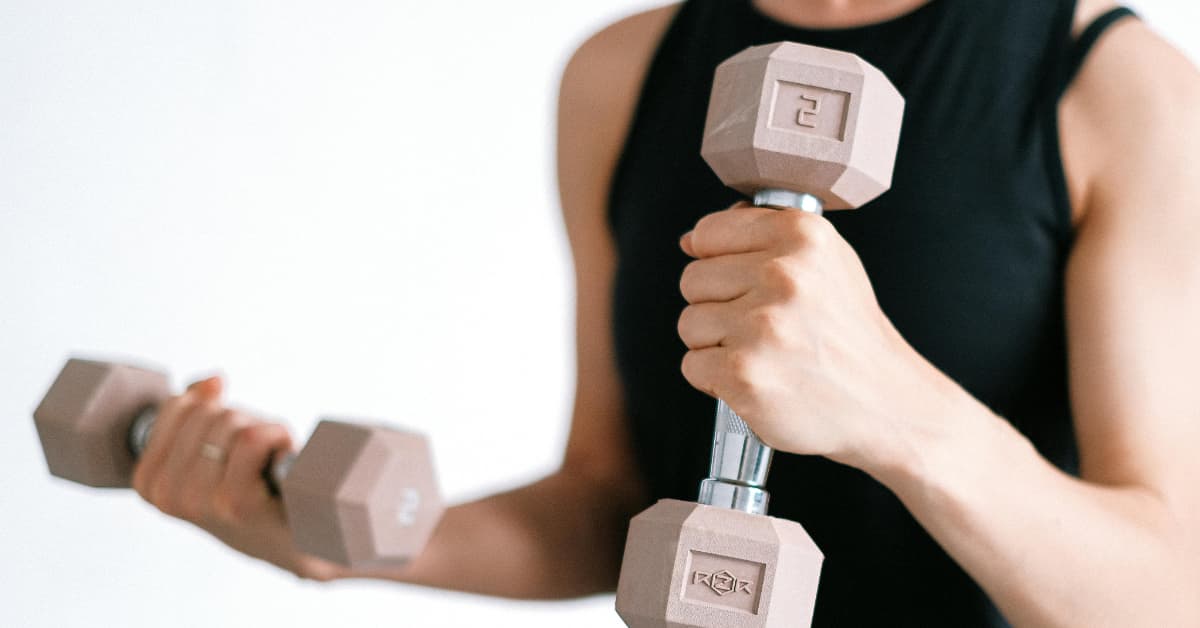
- Grip: Hold dumbbells with palms facing the torso (neutral grip).
- Shoulders: Keep them pulled back & down; do not let them slouch forward.
The Movement
- Elbows: Pin them to your ribs; they should act as a fixed hinge.
- The Lift: Curl the weight toward the shoulder while keeping the palms facing inward.
- Range: Stop just before the dumbbell touches the shoulder to maintain tension.
- The Descent: Lower the weights slowly & under control until arms are entirely straight.
Critical Form Cues
- No Swinging: Keep the torso perfectly still; don’t use the hips to “cheat” the weight up.
- Wrist Stability: Keep the wrists stiff and straight; don’t let them bend.
- Full Extension: Go all the way down to the bottom to stretch the muscle fully.
- Breathing: Exhale as you lift; inhale as you lower.
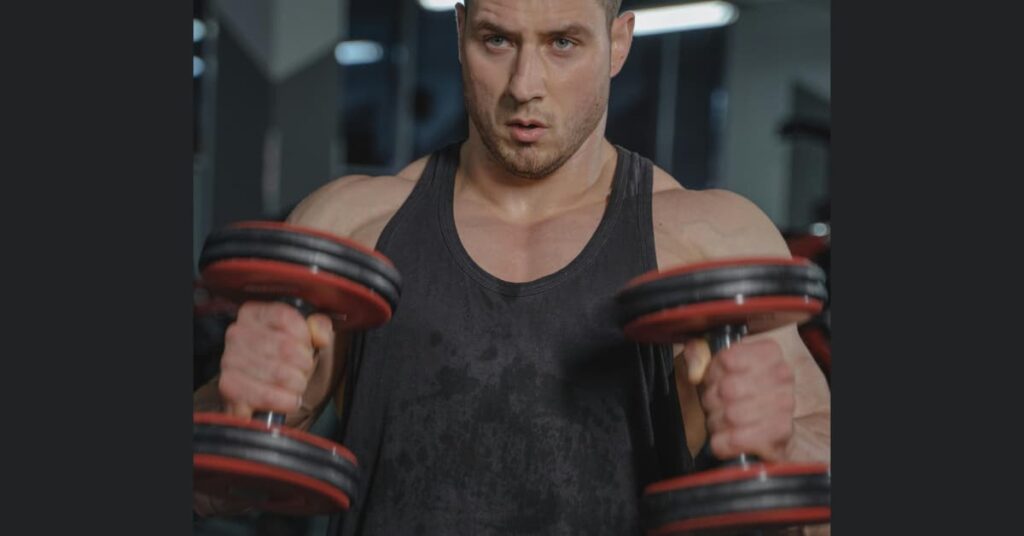
Hammer Curl Target Muscles
The Hammer Curl is special because its neutral (vertical) grip shifts the workload across three distinct areas of the arm.
Primary Muscles
- Brachialis: A deep muscle found underneath the bicep. It is the strongest flexor of the elbow & helps raise the bicep, making the arm look thicker from the side.
- Brachioradialis: The most significant muscle of the forearm. It runs from the elbow down toward the wrist & is heavily engaged when the palms face inward.
Secondary Muscles
- Biceps Brachii (Long Head): The “outer” head of the bicep. While traditional curls hit both heads, the hammer grip puts a distinct emphasis on the long head, which contributes to the “peak” of the arm.
- Forearm Flexors & Extensors: These smaller muscles in the wrist & forearm work together to stabilize the weight & maintain the grip throughout the set.
- Front Deltoids (Shoulders): Act as stabilizers to keep the arm in place, though they should not be doing the actual lifting.
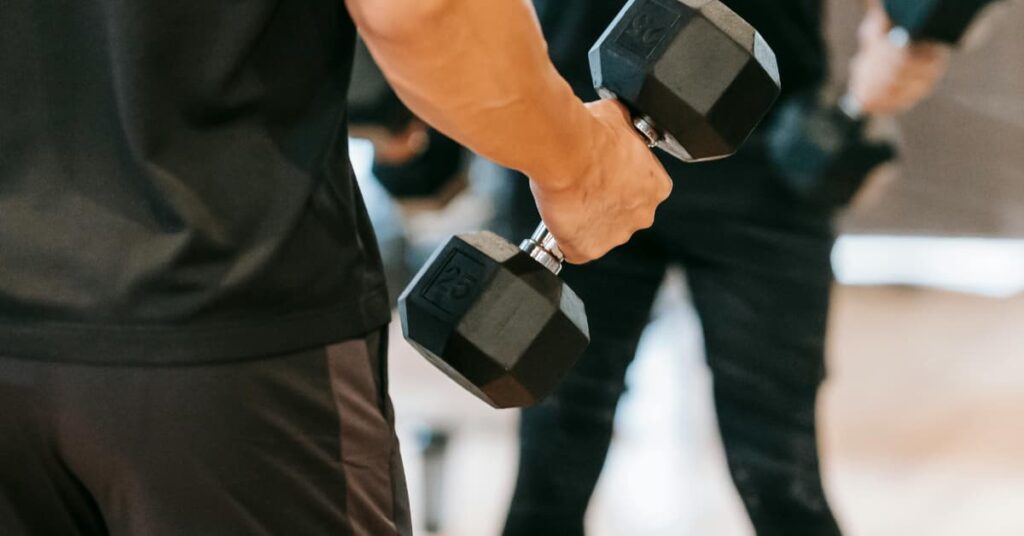
Hammer Curl Benefits
The Hammer Curl is mostly considered one of the most effective workouts for building “functional” arm mass. Because it permits a natural hand position & engages more than just the biceps, it offers several unique benefits:
1. Increased Arm Thickness
While traditional or standard curls focus on the “peak” of the bicep, hammer curls target the brachialis. It is a deep muscle that sits beneath the bicep; when it grows, it directly pushes the bicep upward & outward, making the arms look significantly wider from the side and the front.
2. Powerful Forearm Development
The neutral grip heavily recruits the brachioradialis, the enormous muscle on the thumb side of the forearm. It is often an overlooked area in training, & strengthening it creates a dense, powerful look that combines the upper arm to the wrist.
3. Superior Grip Strength
Because you are holding the dumbbells vertically, the hand & forearm muscles have to work much harder to prevent the weight from slipping. It translates directly to better performance in:
- Heavy Lifts: Deadlifts, rows, & pull-ups.
- Daily Tasks: Carrying serious groceries or opening tight jars.
4. Joint-Friendly Movement
The neutral palms-in grip is the most natural position for the human wrist and elbow.
- Wrist Relief: It decreases the twisting strain (supination) required for barbell curls, making it a go-to for lifters with wrist sensitivity.
- Elbow Health: It helps balance strength around the elbow joint, lowering the risk of tendonitis.
5. Ability to Lift Heavier
Most lifters find they are naturally stronger in a neutral grip than in a palms-up (supinated) grip. It permits you to use heavier dumbbells, which provides a greater “overload” stimulus to the muscles, potentially showing faster growth.
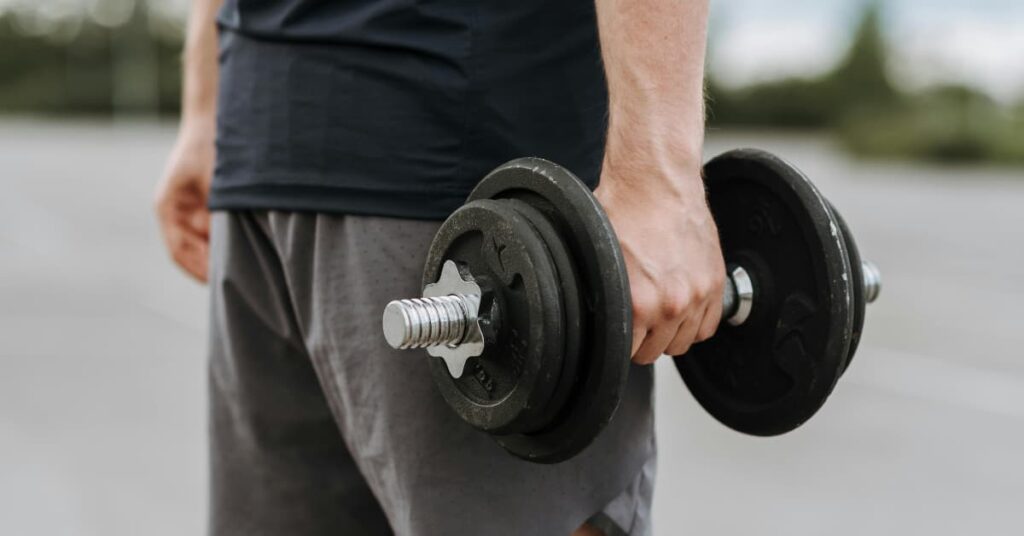
Hammer Curl Variations
Adjusting the angle or equipment of a hammer curl can shift the focus to different parts of the arm. Here are the most useful variations:
By Movement Pattern
- Alternating Hammer Curls: Curling one arm at a time. This allows you to focus more on the mind-muscle connection & makes it easier to maintain core stability.
- Cross-Body Hammer Curls: Curl the dumbbell toward the opposite shoulder. This variation delivers a slightly better stretch for the long head of the bicep and further highlights the brachialis.
- Seated Hammer Curls: Done sitting on a bench with a backrest. It allows “cheating” with leg or hip momentum, creating pure isolation.
By Equipment
- Rope Cable Hammer Curls: Using a rope attachment on a cable machine. Unlike dumbbells, cables supply constant tension throughout the whole rep, particularly at the very bottom, where dumbbells feel “light.”
- Incline Hammer Curls: Completed lying back on a bench set to a 45-degree angle. It puts the biceps in a fully stretched position, which is positively effective for triggering muscle growth.
- Preacher Hammer Curls: Using a preacher bench to fix the arms in place. It is the ultimate isolation move as it makes it physically impossible to swing the weights.
- Kettlebell Hammer Curls: Holding the handle of a kettlebell. The off-center weight distribution forces the grip & forearm stabilizers to work much harder than a traditional dumbbell.
For Advanced Lifters
- Slow Eccentric Hammers: Lifting at normal speed but taking 3–5 seconds to lower the weight. It maximizes the muscle damage needed for regrowth.
- Hammer-to-Regular Curls (Zottman style): Lifting with a neutral (hammer) grip, rotating to palms-up at the top, & reducing with a palms-down (reverse) grip to hit every muscle in the arm.
Hammer Curl Alternatives
If you don’t have dumbbells or want to target the exact muscles (brachialis and brachioradialis) utilizing different equipment, here are the best alternatives:
Free Weight Alternatives
- Reverse Grip Barbell Curls: Grab a barbell with an overhand (palms down) grip. It is arguably the most suitable alternative for building forearm thickness & isolation of the brachialis.
- EZ-Bar Reverse Curls: Identical to the barbell version, but the zig-zag shape of the bar is much more comfortable on the wrists.
- Zottman Curls: Curl the weights up with palms facing up, then rotate the palms down at the top & lower them slowly. This hits both the bicep peak & the hammer curl muscles in one rep.
Machine & Cable Alternatives
- Rope Cable Curls: Attach a rope to a low pulley & use a neutral grip. The cable delivers constant tension, which is more effective for muscle growth than dumbbells at certain angles.
- Hammer Grip Cable Rows: Using a neutral grip (V-bar) for the back rows will heavily involve the brachialis & brachioradialis as secondary movers.
Bodyweight & Gym Bench Alternatives
- Neutral Grip Pull-Ups: If you have access to a pull-up bar with parallel handles, these are the ultimate compound alternative. Body weight provides significant resistance to the brachialis.
- Inverted Rows (Neutral Grip): Using a low bar or TRX straps with palms facing each other to pull the body up.
- Plate Curls: Hold a weight plate by its edges (fingers on one side, thumb on the other). The wide, neutral-like grip forces the forearms to work overtime.
Hammer Curl vs. Biceps Curl
The Hammer Curl differs from the traditional Biceps Curl mainly in hand orientation & in the muscles recruited. While a conventional curl uses a supinated (palms-up) grip to isolate the biceps brachii & build the height of the peak height, the hammer curl uses a neutral (palms-in) grip that shifts the workload to the brachialis and brachioradialis. It makes the hammer curl superior for generating arm thickness and forearm density, whereas the traditional curl is better for bicep definition. Also, the hammer curl is generally more joint-friendly, as the neutral wrist position lessens the strain on the tendons often caused by the outward rotation needed in standard curls.
Precautions and Common Errors
When completing Hammer Curls, maintaining strict form is critical to prevent injury and ensure that the target muscles, not the momentum, are doing the work.
Common Errors
- Using Momentum (The “Swing”): Many lifters use their hips or decrease back to swing the weights up. It takes the tension off the arms & puts the spine at risk.
- Elbow Drifting: Letting the elbows move forward or backward during the rep engages the shoulders (deltoids). The elbows should remain “glued” to the ribcage.
- Wrist Flexion: Allowing the wrists to curl inward or flop backward. The wrist should remain neutral and stiff to protect the joint & maximize forearm engagement.
- Short-Changing the Range: Stopping the weight before the arm is fully extended at the bottom. This “partial rep” omits the crucial stretch of the brachialis.
- Rushing the Descent: Dropping the weights quickly. The lowering phase (eccentric) is where the most muscle fiber damage & subsequent growth occurs.
Key Precautions
- Start Light: Because this exercise heavily involves the smaller muscles of the forearm & elbow, start with a lighter weight to master the neutral grip before going heavy.
- Shoulder Health: Keep the chest up and shoulders pulled back. Slumping forward can cause the dumbbell to pull on the rotator cuff as you fatigue.
- Elbow Tendonitis: If you feel a sharp pain on the outsides of the elbow (lateral epicondylitis), stop immediately. The neutral grip is usually safer, but overtraining can still lead to strain.
- Core Engagement: Tighten the abs and glutes throughout the set. It creates a stable “anchor” so the body doesn’t rock back and forth.
Conclusion
The Hammer Curl is an important staple for anyone looking to build complete, strong arms that possess both aesthetic width & functional strength. By using a neutral grip, you target the brachialis and brachioradialis, filling in the gaps left by traditional curls & creating a more muscular, dense appearance from the shoulder to the wrist. When performed with strict form, a controlled tempo, & a full range of motion, this activity not only maximizes muscle hypertrophy but also enables better joint longevity & grip performance. Whether you are an athlete, a body-builder, or a fitness enthusiast, integrating this versatile action into the routine ensures a well-rounded approach to upper-body development.