Table of Contents
Introduction
Iron is the unsung hero of the human body, a powerhouse mineral that functions as the immediate delivery system for the very air we breathe. As the core component of hemoglobin, iron (Fe) is responsible for picking up oxygen in the lungs & transporting it to every muscle, organ, and tissue, essentially serving as the fuel line for the cellular engines.
Beyond just energizing us, this vital nutrient plays a backstage role in everything from maintaining a sharp, focused mind and a resilient immune system to regulating the internal body temperature. Whether it’s sourced from a hearty steak, a plate of leafy greens, or a carefully chosen supplement, maintaining the right balance of iron is the secret to moving through life with vitality rather than feeling like you’re constantly wading through molasses.
Benefits of Iron
Here are the primary benefits of maintaining healthy iron levels:
1. Sustained Energy and Vitality
It is the most immediate benefit. When the Fe levels are right, the heart doesn’t have to work as hard to circulate oxygen.
- The Result: You feel “lighter.” Everyday chores like climbing stairs or carrying groceries don’t leave you huffing and puffing. You have the stamina to get through a workday without hitting a wall at 3:00 PM.
2. Sharper Cognitive Function
The brain is an oxygen hog; it consumes about 20% of the oxygen in the blood. Fe is important for cognitive processes like focus, memory, and even emotional regulation.
- The Result: Enhanced “brain fog” clearance. You’ll likely find it easier to concentrate on complex tasks and stay alert during long meetings or study sessions.
3. A Robust Immune System
Fe plays a surprising role in the body’s defense team. It is necessary for the proliferation and maturation of immune cells, particularly lymphocytes, which fight off infections.
- The Result: You may find you get sick less often, or when you do catch a cold, your body can bounce back more quickly because the cells have the energy resources they need to fight.
4. Healthy Pregnancy Outcomes
For expecting mothers, Fe is non-negotiable. It supports the increased blood volume needed to provide nutrients and oxygen to the developing baby.
- The Result: Lower risk of premature birth and low birth weight. It also ensures the mother has enough “reserve” energy to handle the physical demands of labor and postpartum recovery.
5. Better Athletic Performance
If you exercise, iron is your best friend. It doesn’t just carry oxygen to the heart; it stores it in the muscles via a protein called myoglobin.
- The Result: Better endurance and faster muscle recovery. Without enough Fe, the muscles produce lactic acid more quickly, leading to that “burning” sensation and cramping.
6. Temperature Regulation
Have you ever been the only individual in the room wearing a sweater when it’s 75 degrees? Fe aids regulate the internal “thermostat.”
- The Result: Improved circulation to your hands and feet, helping you stay warm and comfortable in a variety of environments.
7. Healthy Hair, Skin, and Nails
Because Fe carries oxygen to the cells responsible for growth, it is a “beauty” mineral as much as a health one.
- The Result: Stronger nails that don’t flip or crack, and a reduction in excessive hair shedding. It also gives the skin a healthy, rosy glow rather than a dull, sallow appearance.
Quick Summary Table: The Fe Advantage
| Benefit | How it Works |
| Metabolism | Converts food into usable energy more efficiently. |
| Sleep Quality | Helps prevent Restless Leg Syndrome (RLS), leading to deeper sleep. |
| Mood | Involved in synthesizing dopamine and serotonin (the “feel-good” chemicals). |
| Muscle Tone | Provides the oxygen necessary for muscle contraction and elasticity. |
Why Iron Actually Matters (The Science Simplified)
Think of the body as a massive delivery network. The cells are the customers, and they constantly order one specific product: oxygen.
Iron is the delivery truck. Specifically, iron is a key component of hemoglobin, a protein in the red blood cells that grabs oxygen in the lungs and carries it to the brain, heart, and muscles.
What happens when iron is low?
If you don’t have enough Fe, your body can’t make enough healthy oxygen-carrying red blood cells. It leads to Fe Deficiency Anemia.
- Without oxygen, the muscles feel weak.
- Without oxygen, the brain feels foggy.
- Without oxygen, the heart has to pump twice as hard to keep you going.
Recognizing the Signs of Fe Deficiency
Iron deficiency doesn’t usually happen overnight. It’s a slow drain. Because the symptoms are so “everyday,” many people ignore them for years.
Common Symptoms to Watch For:
- The “Heavy” Fatigue: Not just being tired, but feeling like the limbs weigh a hundred pounds.
- Pale Skin: Since hemoglobin gives blood its red color, low Fe can make you look washed out or “ghostly,” especially inside the lower eyelids.
- Shortness of Breath: Getting winded just walking up a flight of stairs.
- Cold Hands and Feet: The body prioritizes sending blood to vital organs, leaving the extremities out in the cold.
- Pica: This is a strange one. It’s a craving for non-food items, such as ice, dirt, or starch. If you find yourself constantly crunching on ice, the body might be screaming for Fe.
Example: Suppose Sarah is a marathon runner. She notices her race times are dropping, and she’s getting dizzy during warm-ups. She thinks she’s overtraining, but a quick blood test reveals her v stores are depleted. After a few weeks of focus on her diet, her energy returns.
Fe in the Food: Heme vs. Non-Heme
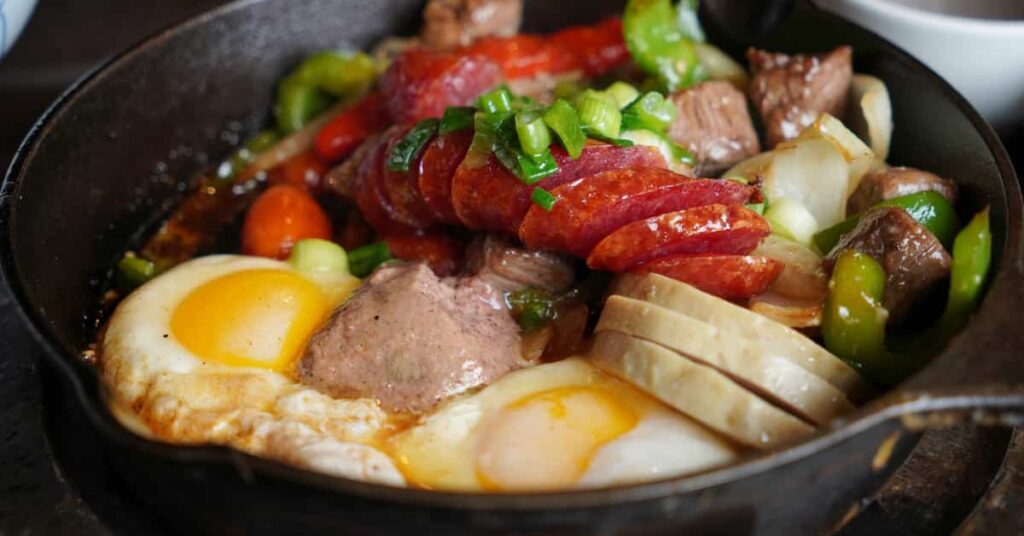
If you want to boost your Fe levels, the grocery store is the first stop. But not all Fe is created equal. Nature gives us two types:
Heme Iron (The “Fast Lane”)
It is found in animal products. The body absorbs this type of Fe very efficiently (about 15-35% absorption rate).
- Best Sources: Red meat (beef, lamb), liver (the king of Fe), clams, oysters, and dark meat chicken or turkey.
Non-Heme Iron (The “Slow Lane”)
It is found in plant-based foods. While it’s great for you, your body has a harder time absorbing it (with an absorption rate of 2-20%).
- Best Sources: Spinach, lentils, chickpeas, fortified cereals, pumpkin seeds, and tofu.
The “Vitamin C” Secret Weapon
Here is a pro tip: If you are eating plant-based Fe (non-heme), always pair it with Vitamin C. Vitamin C acts like a key that unlocks the Fe, making it much easier for the gut to absorb it.
- Example: Don’t just eat a spinach salad. Eat a spinach salad with lemon dressing or sliced strawberries.
Fe Supplements: Tablets, Vitamins, and Liquids
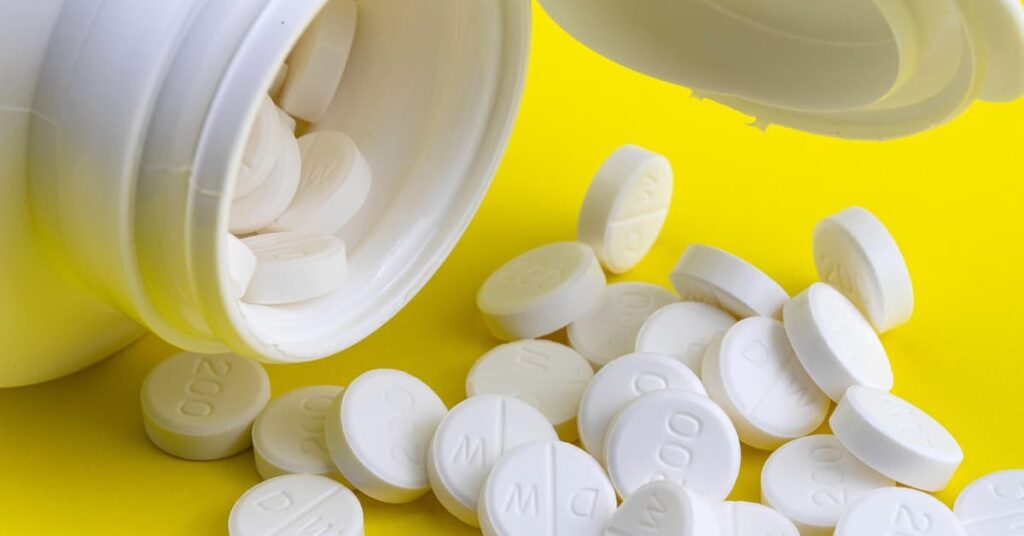
Occasionally, food isn’t enough. If a doctor tells you that you are clinically anemic, you’ll likely need an Fe supplement or an Fe tablet.
Types of Supplements
- Ferrous Sulfate: The most common and affordable “Fe tablet.” It’s very effective but can be tough on the stomach.
- Ferrous Gluconate: Often easier on the digestion than sulfate.
- Heme Fe Polypeptide: A newer type of supplement derived from animal sources that usually causes fewer side effects.
- Iron and Folic Acid Tablets: You’ll often see these paired together, especially for women. Folic acid (Vitamin B9) helps create new cells, working hand in hand with Fe to build healthy blood.
How to Take Fe Properly
To get the most out of the “Fe vitamin,” follow these rules:
- Take it on an empty stomach: If you can tolerate it, iron is best absorbed when the stomach is empty.
- Avoid the “Iron Blockers”: Do not take your Fe tablet with coffee, tea, or milk. Caffeine and calcium bind to the Fe, preventing it from entering the bloodstream.
- Watch for side effects: Fe can cause constipation or an upset stomach. If this happens, talk to the doctor about a “slow-release” formula or taking it with a small amount of food.
Who is Most at Risk?
Not everyone needs to obsess over their iron levels, but certain groups need to be extra vigilant.
- Women of Childbearing Age: Monthly blood loss through menstruation is the 1 cause of Fe deficiency worldwide.
- Pregnant Women: Your blood volume increases by nearly 50% during pregnancy to support the baby. You need massive amounts of extra iron to keep up.
- Vegetarians and Vegans: Since plant-based Fe is harder to absorb, those who don’t eat meat need to eat about 1.8 times more Fe than meat-eaters.
- Frequent Blood Donors: Giving blood is a noble act, but it depletes the Fe stores. Make sure to replenish heavily after a donation.
The Danger of Too Much Iron
Can you have too much of a good thing? Yes. Unlike some vitamins that you pee out if you take too much, iron stays in your body.
Iron toxicity is serious. It can damage the liver and heart. That is why you should never start a high-dose iron supplement without a blood test (specifically a “Ferritin” test) and a doctor’s recommendation. Keep iron supplements far out of reach of children, as they can be fatal if swallowed in large quantities by a toddler.
Practical Tips for an Iron-Rich Life
If you’re looking to boost energy and keep your blood healthy, here is a simple checklist:
- Cook in Cast Iron: It sounds like an old wives’ tale, but cooking acidic foods (like tomato sauce) in a cast-iron skillet actually leaches small, safe amounts of iron into your food.
- Check the Cereal: Many “fortified” breakfast cereals contain 100% of your daily iron requirement.
- Wait on the Coffee: Wait at least an hour after your meal before drinking tea or coffee so you don’t block the iron you just ate.
- Listen to Your Body: If you’re feeling “trashy” and tired for more than two weeks, don’t just drink more caffeine. Get a blood test.
Conclusion
Iron is the silent partner in our health. It’s the reason we can breathe deeply, think clearly, and move with purpose. Whether you’re getting the iron from a juicy steak, a bowl of lentils, or a daily iron and folic acid tablet, the goal is the same: keeping the “delivery trucks” moving.
By understanding how to balance the diet, knowing when to supplement, and recognizing the early warning signs of deficiency, you can take control of your energy levels. Don’t let a lack of iron hold you back from living life at full speed.