Table of Contents
Introduction
Leg raises are a highly effective bodyweight training, especially targeting the lower abdominal muscles, particularly the rectus abdominis & the hip flexors. By lifting the legs from a supine or hanging position toward the torso, you engage the deep core stabilizers and enhance overall trunk strength and flexibility. This training is a staple in fitness routines because it requires minimal equipment and can be easily changed, ranging from bent-knee raises for newbies to straight-leg or hanging variations for advanced athletes to build a defined, functional midsection and enhance posture.

Leg Raises Exercise
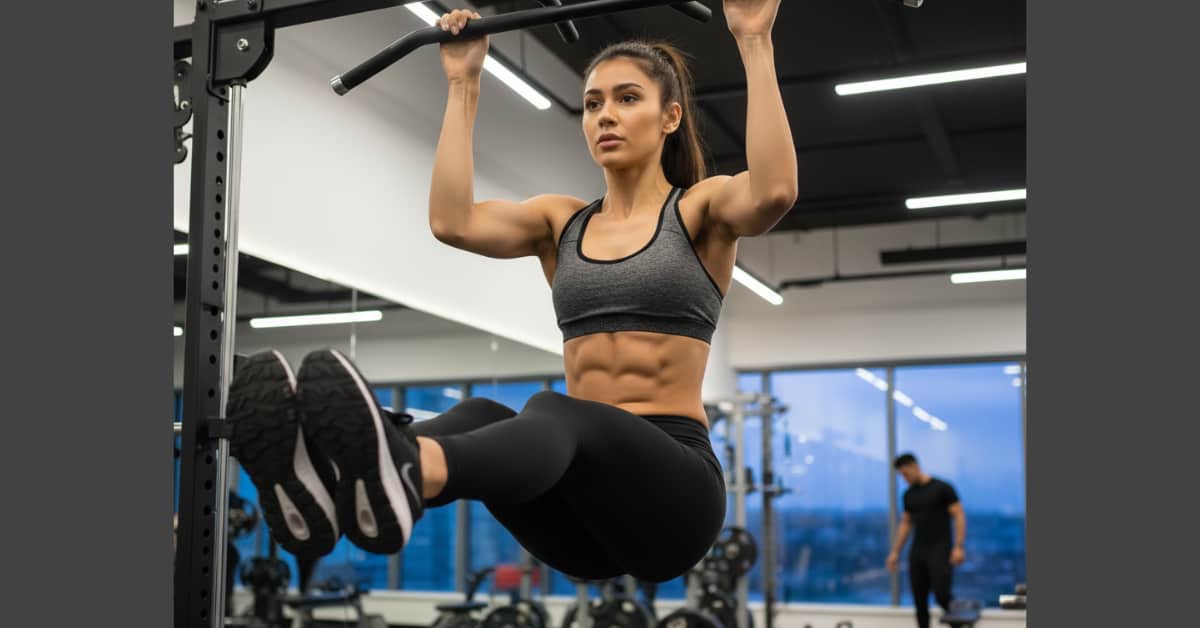
Often referred to as a powerhouse move for core purpose, this raise is a fundamental isolation exercise that strengthens the abdominal wall & enhances hip mobility. The training involves lifting the lower extremities against gravity while keeping a stable, neutral spine, which forces the core to work as a solid unit to control the back from arching. Whether performed on the floor to build foundational strength or suspended from a pull-up bar for maximum intensity, leg raises are prized for their ability to develop lower-belly control & functional stability that carries over into everyday activities & athletic performance.
Leg raises target the muscles.
Leg raises primarily target the lower rectus abdominis (the “six-pack” muscles) & the hip flexors (iliopsoas).
While the whole core works to stabilize the body during the training, the primary engagement happens in these areas:
- Rectus Abdominis: Specifically, the lower portion, which works to tilt the pelvis and lift the weight of the legs.
- Hip Flexors: These muscles do the heavy lifting to pull the thighs toward the torso.
- Obliques: These act as stabilizers, keeping the trunk steady and preventing the hips from rocking.
- Transverse Abdominis: The deep “corset” muscle that keeps the spine protected and the stomach pulled in.
Leg Raises: Form and Instructions
Mastering the form of leg raises is essential to ensure you are actually working the core rather than putting unnecessary strain on the lower back.
The Standard Lying Leg Raise
- The Starting Position: Lie flat on your back on a mat, legs straight and feet together. Place the hands either flat by the sides for stability or tucked slightly under the glutes to help support the lower back.
- The Engagement: Before lifting, pull the belly button toward the spine to engage the deep core. Press the lower back firmly into the floor; there should be no gap between the back and the mat.
- The Lift: Slowly lift the legs toward the ceiling until they are at a 90° angle to the body. Keep the legs as straight as possible and exhale as you lift.
- The Descent: Inhale and slowly lower the legs back down toward the floor. Crucial: Stop just a few inches before the feet touch the ground to maintain constant tension in the abs.
- The Reset: Ensure the back hasn’t arched off the floor before starting the next rep.
Leg Raises Benefits
Incorporating leg raises into a fitness routine offers more than just aesthetic results. Because they require the core to stabilize the weight of the lower body, they provide a unique set of functional and physiological advantages.
- 1. Superior Lower Abdominal Isolation: While many ab activities focus on the upper “crunch” motion, leg raises are one of the most useful ways to target the lower part of the rectus abdominis.
- 2. Increased Hip Flexor Strength: This workout strengthens the iliopsoas muscles, that are crucial for walking, running, & climbing stairs with ease.
- 3. Improved Core Stability: To perform the move correctly, the deep stabilizers (transverse abdominis) must work to keep the spine neutral, leading to a more rigid and protected midsection.
- 4. Reduced Lower Back Pain: A strong core supports the spine. By supporting the abdominal wall and hip area, you can alleviate the pressure that often leads to chronic lower back discomfort.
- 5. Better Posture: By balancing the strength between the hip flexors and the abdominals, leg raises support prevent the “anterior pelvic tilt” that causes a slumped appearance.
- 6. Enhanced Athletic Performance: The explosive power needed for sprinting & jumping often comes from the core-to-hip connection, that leg raises strengthen directly.
- 7. Increased Flexibility: Moving the legs through a full range of motion allows stretching and mobilizing the hamstrings and lower back.
- 8. No Equipment Necessary: As bodyweight training, they can be performed anywhere from a living room floor to a hotel gym, making it easy to stay consistent.
- 9. Scalable Difficulty: Whether you are a newbie doing knee-tucks or an advanced athlete performing hanging leg raises, the move can always be made more challenging to prevent plateaus.
- 10. Functional “Anti-Extension” Training: The training teaches the body how to resist arching the back under load, which is a critical skill for lifting heavy weights safely in activities like squats or overhead presses.

Leg Raises variations
Leg Raise Variations for Every Fitness Level
1. Beginner Variations
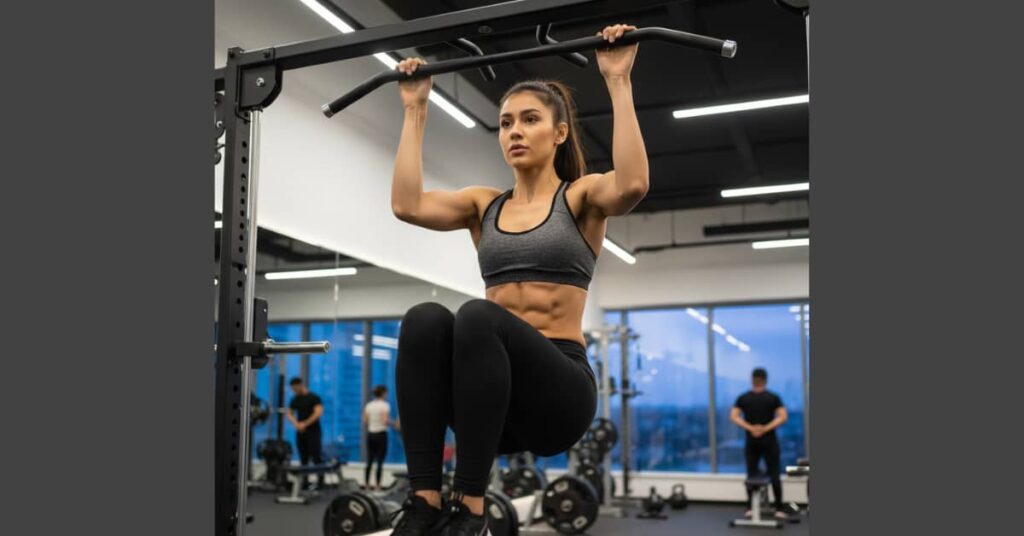
- Bent Knee Raises: Instead of keeping your legs straight, tuck the knees toward the chest. It shortens the lever, creating it easier on the lower back and core.
- Single-Leg Raises: Keep one leg flat on the floor (or bent with foot flat) while raising and lowering the other. It builds foundational stability without overwhelming the abdominal wall.
- Seated Leg Raises: You have to sit on the edge of a chair or bench and lift the knees toward the chest. It is a great “desk-friendly” version.
2. Intermediate Variations
- Flutter Kicks: Maintain small range of motion, quickly “scissoring” the legs up & down. It creates constant tension & a high metabolic burn.
- Weighted Leg Raises: Grab a small dumbbell or wear ankle weights to increase the resistance. It is the fastest way to build lower abdominal muscle hypertrophy.
- Reverse Crunches: At the top of a standard leg raise, lift the hips off the floor toward the ceiling. It adds an extra “pop” of intensity for the lower rectus abdominis.
3. Advanced Variations
- Hanging Leg Raises: Using a pull-up bar, lift the legs to a 90 degree angle (or higher) without swinging. It needs immense grip strength & core control.
- Toes-to-Bar: A staple in CrossFit, this involves swinging with control to touch your feet to the bar you are hanging from.
- Dragon Flags: Made famous by Bruce Lee, this involves lying on a bench and lifting your entire body from shoulders to toes into a straight line, then slowly lowering it. It is the ultimate test of core strength.
Leg Raise Alternative
1. Dead Bug (The Low-Impact Alternative)
It is widely considered the most suitable alternative for anyone with lower back issues. It teaches core stability by mimicking the leg raise motion while keeping the spine safely neutral against the floor.
- Target: Transverse abdominis and coordination.
- Why it works: It provides the same “anti-extension” benefit as leg raises with much less spinal strain.
2. Mountain Climbers (The Cardio-Core Alternative)
Instead of lying on your back, you’re in a plank position, driving the knees toward the chest.
- Target: Lower abs, hip flexors, and shoulders.
- Why it works: It builds functional strength and increases the heart rate, making it perfect for weight-loss-focused articles.
3. Hollow Body Hold (The Isometric Alternative)
Instead of moving the legs, you hold them a few inches off the ground along with your shoulders, creating a “banana” shape with your body.
- Target: Total core compression.
- Why it works: It builds the incredible “tension” strength required for more advanced moves like pull-ups or handstands.
4. Scissors (The High-Tension Alternative)
While lying on the back, cross the legs over each other in a horizontal “cutting” motion, keeping them elevated.
- Target: Lower abs & inner thighs (adductors).
- Why it works: It adds a lateral challenge to the core that standard leg raises lack.
5. Captain’s Chair Knee Raises
Using a gym station with armrests, you support your weight on the forearms & lift the knees.
- Target: Deep lower abs and hip flexors.
- Why it works: Because your back is pressed against a pad, it’s often easier to maintain proper form than when hanging from a bar.
Leg Raises: Precautions and Common Errors
Common Errors: Why Your Abs Might Not Be Working
- The “Arching Back” Trap: The most common mistake is allowing the lower back to lift off the floor as the legs descend. It shifts the entire load from your abs to your lumbar spine, which can lead to chronic back pain.
- Leading with the Neck: Many people subconsciously tuck their chin or lift their head, thinking it helps the lift. It only creates unnecessary cervical strain without benefiting the core.
- Using Momentum (The “Swing”): Swinging the legs up and letting them “drop” fast on the way down uses gravity, not muscle. If you aren’t controlling the descent, you’re missing 50% of the exercise’s value.
- Holding Your Breath: Many beginners hold their breath (the Valsalva maneuver) to create internal pressure. However, for core exercises, a controlled exhale on the “work” phase (lifting) is essential for deep muscle activation.
Safety Precautions & Who Should Be Careful
Before adding leg raises to a routine, consider these safety guidelines:
1. Test Your Baseline
If you cannot keep the lower back flat against the floor while lowering the legs, stop. The core isn’t strong enough for the full range of motion yet. Switch to “Bent Knee Raises” until the strength improves.
2. Prioritize the Lumbar Spine
If you have a history of herniated discs and severe lower back issues, consult a professional. Leg raises place a significant “shear” force on the lower spine if the muscles aren’t firing correctly.
3. Postpartum Considerations
For those in the postpartum period, especially if dealing with Diastasis Recti (abdominal separation), traditional leg raises can actually worsen the condition by creating too much internal pressure. It is better to start with “pelvic tilts” or “dead bugs.”
4. Surface Matters
Never perform leg raises on a hard, unpadded floor. Use a high-quality yoga mat or a specialized exercise mat to protect the tailbone and spine.
Conclusion
Leg raises are far more than just a “vanity” movement for lower abs; they are a fundamental exercise for building a stable, functional, & pain-free body. By mastering proper form, avoiding common pitfalls like arching the back, & progressively challenging yourself with variations, you can unlock levels of core strength that translate into better posture & improved athletic performance.
Recognize that consistency is the ultimate driver of results. Whether you are starting with a simple bent-knee tuck or working the way toward the advanced hanging leg raise, the goal is to move with intention and control. Start incorporating this powerhouse move into the routine today, and listen to your body, quality will always beat quantity when it comes to sculpting a stronger midsection.
Which leg raise variation is your favorite? Let us know in the comments below!