
Table of Contents
Introduction
If you’ve ever glanced at the back of a cereal box or tried to follow a new diet, you’ve likely been bombarded with phrases like “carbs,” “polyunsaturated fats,” “Vitamin B12,” and “magnesium.” It may feel a bit like attempting to read a foreign language without a dictionary.
At the end of the day, nutrition isn’t about measuring every single atom that enters the mouth. It’s around understanding two fundamental groups that keep the body running: Macronutrients and Micronutrients.
Think of the body like a high-performance car. Macronutrients are the gasoline you put in the tank to make it go. Micronutrients are the oil, the coolant, and the brake fluid, the things that ensure the engine doesn’t seize up and the gears shift smoothly. You need both to get where you’re going.
In this guide, we’re going to break down what these are, why they matter, and how to get the right balance without losing your mind.
Part 1: Macronutrients – The Big Players
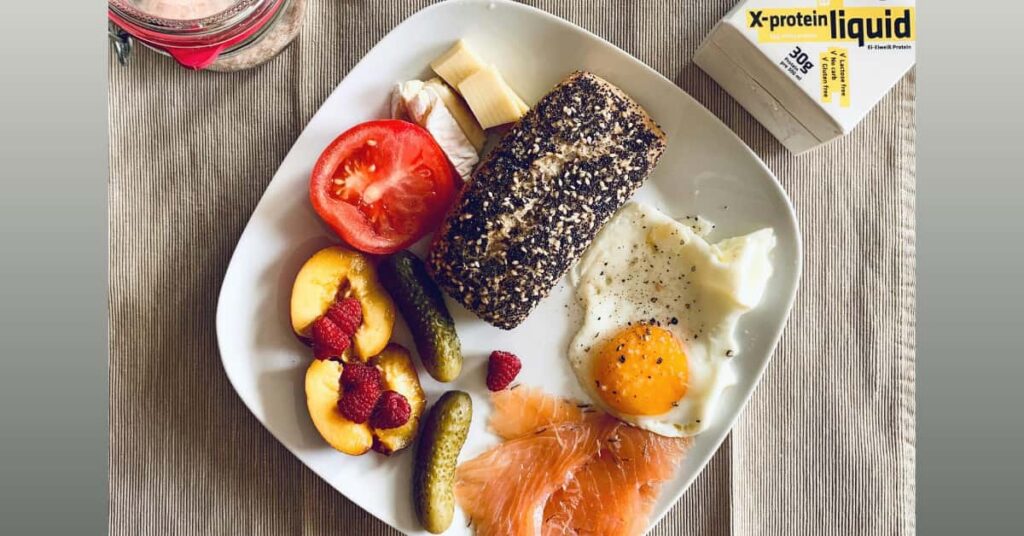
The prefix “macro” means “large.” In nutrition, macronutrients are the nutrients the body needs in large amounts to provide energy (calories) and maintain its structure.
There are three preliminary macronutrients: Carbohydrates, Proteins, and Fats. Some individuals include water as a fourth, but since it doesn’t provide calories, we usually keep it in its own category.
1. Carbohydrates: The Body’s Preferred Fuel
Carbohydrates are often the “villain” in modern diet trends, but the brain and muscles actually love them. When you eat carbs, the body breaks them down into glucose (sugar), which is the immediate energy source for the cells.
- Simple Carbs: These are quick-burning sugars found in fruit, honey, and (unfortunately) soda and candy. They give you a fast spike of energy followed by a “crash.”
- Complex Carbs: These are located in whole grains, beans, and vegetables. They include fiber, which slows digestion and delivers a steady stream of energy.
Example: Think of a slice of white bread vs. a bowl of steel-cut oats. The white bread is like flash paper; it burns bright and fast. The oats are like a thick log on a campfire; they burn slowly and keep you warm all night.
2. Proteins: The Building Blocks
If carbs are the fuel, protein is the chassis, and the engine or machine parts. Protein is made up of amino acids, that the body utilizes to build & repair tissues. It’s not just for bodybuilders; the hair, skin, nails, enzymes, & hormones are all made of protein.
- Animal Sources: Meat, poultry, fish, eggs, & dairy. These are “complete” proteins because they include all the crucial amino acids the body can’t make on its own.
- Plant Sources: Beans, lentils, tofu, nuts, and quinoa. While some plant sources are “incomplete,” consuming a variety of them throughout the day ensures you get all the nutrients you need.
Example: After a tough workout, the muscle fibers have tiny micro-tears. Protein acts like the “construction crew” that goes in and patches those tears, creating the muscle stronger than it was before.
3. Fats: The Energy Reserve and Protector
Fats have a bad reputation, but they are necessary for survival. They protect the organs, keep you warm, & help you absorb certain vitamins (A, D, E, and K).
- Saturated Fats: Discovered mostly in animal products like butter and fatty meats. It’s best to eat these in moderation.
- Unsaturated Fats: These are the “heart-healthy” fats found in olive oil, avocados, nuts, & fatty fish (like salmon).
- Trans Fats: These are artificial or man made fats found in some processed snacks. Most experts agree you should avoid these as much as possible.
Example: Imagine the nerves are like electrical wires. Fat acts as the insulating plastic around those wires, ensuring signals in the brain and body travel quickly and don’t “short-circuit.”
Part 2: Micronutrients – The Tiny Essentials
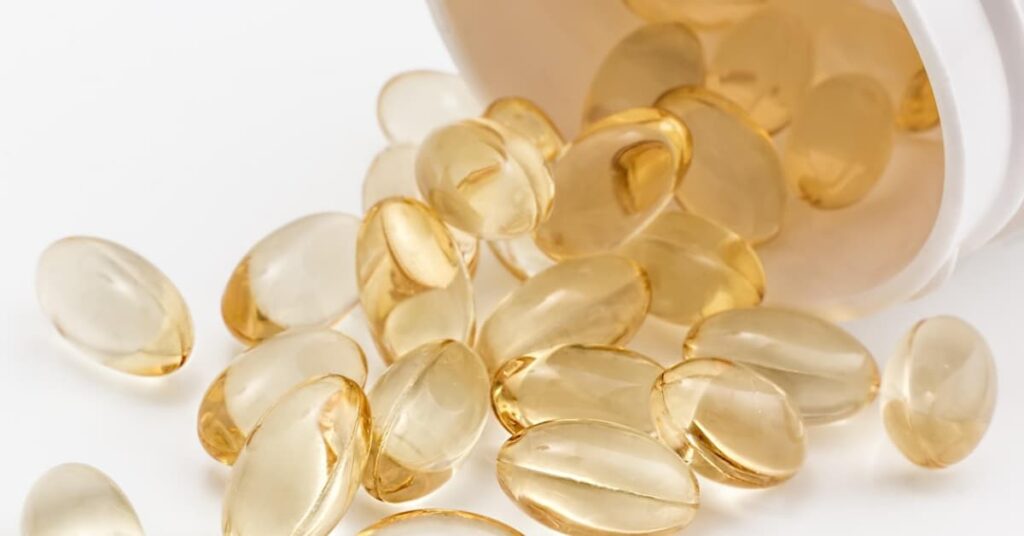
“Micro” means small. You only need these in tiny portions, sometimes just micrograms, but if you don’t get them, things begin to go wrong very quickly. Micronutrients consist of Vitamins and Minerals.
They don’t provide calories (energy), but they are the “spark plugs” that allow the macronutrients to do their jobs.
1. Vitamins (Organic Compounds)
Vitamins are nutrients made by plants or animals. They are normally categorized into two groups:
- Water-Soluble Vitamins: These include Vitamin C and the B-complex vitamins. The body doesn’t store these well; whatever you don’t use, you pee out. It means you need to eat them almost every day.
- Fat-Soluble Vitamins: These are Vitamins A, D, E, and K. The body stores these in the liver and fatty tissues for future use. Because they are stored, you actually can overdo it with supplements, so balance is key.
Example of Vitamin Function:
- Vitamin C: Think of it as the “glue” for the skin and immune system.
- Vitamin A: Important for seeing in the dark (the “carrot” myth has some truth to it!).
- Vitamin D: Helps the bones absorb calcium. You can get this from the sun, but many individuals need it from food or supplements.
2. Minerals (Inorganic Elements)
Minerals come from the earth, soil, and water, and also are absorbed by plants or eaten by animals.
- Macrominerals: You need larger amounts of these. Examples include Calcium (for bones), Magnesium (for muscle relaxation), and Sodium/Potassium (for fluid balance).
- Trace Minerals: You only need a tiny bit of these, like Iron (to carry oxygen in the blood), Zinc (for healing), and Iodine (for the thyroid).
Example of Mineral Function: Imagine the blood is a delivery truck. Iron is the precise seat in the truck where oxygen sits. Without enough iron, the truck drives around empty, & you feel exhausted (a condition understood as anemia).
Part 3: Why the Balance Matters
You might be thinking, “Can’t I just take a multivitamin and eat whatever I want?”
Not exactly. Nutrition is a team sport.
- Absorption Synergy: Some nutrients require others to work. For example, you can drink all the milk (calcium) you want, but if you are severely deficient in Vitamin D, the body won’t be able to “grab” that calcium to put it into the bones.
- The “Whole Food” Advantage: When you eat an orange, you aren’t just getting Vitamin C. You’re getting fiber, bioflavonoids, & water. These components work together in ways that a single pill usually can’t replicate.
- Energy vs. Maintenance: If you eat plenty of macros (calories) but no micros, you’ll have energy, but you’ll feel “run down.” You might be overweight but technically malnourished. On the flip side, if you take all the vitamins but don’t eat enough macros, the body begin breaking down its own muscle for fuel.
Part 4: Practical Examples – Putting it on the Plate
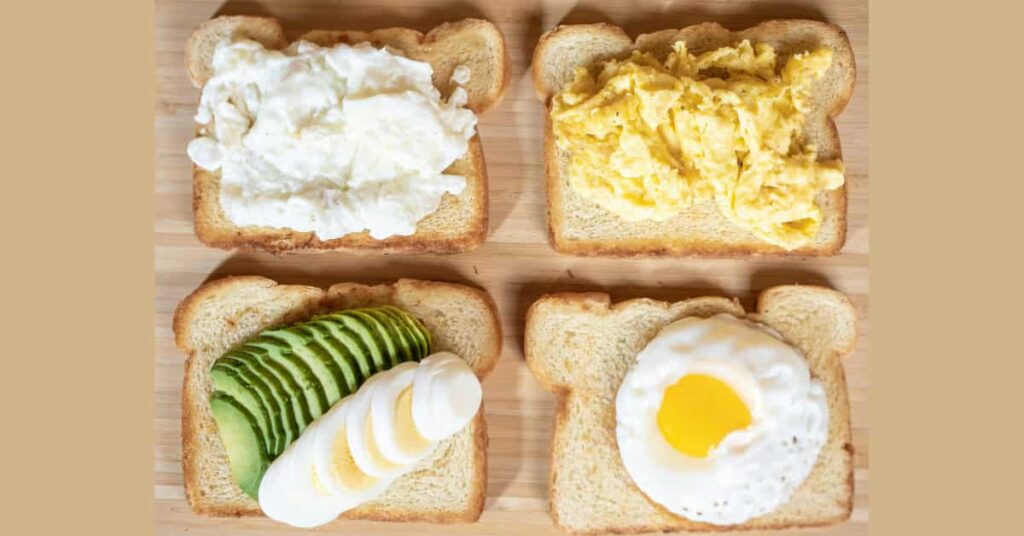
Let’s look at how this looks in real life. Rather than thinking about “chemicals,” think about “meals.”
The “Sad” Meal (Unbalanced)
- Dinner: A big bowl of plain white pasta with a slight butter.
- Macros: High carbs, high fat, very low protein.
- Micros: Nearly none.
- The Result: You’ll feel full for an hour, then get a sugar crash & feel hungry again. The body didn’t get any “tools” (minerals/vitamins) to repair itself.
The “Power” Meal (Balanced)
- Dinner: Grilled salmon, a side of quinoa, & a big pile of sautéed spinach and peppers.
- Macros:Protein: From the salmon.
- Healthy Fats: From the salmon (Omega-3s).
- Complex Carbs: From the quinoa.
- Micros:Iron & Vitamin K: From the spinach.
- Vitamin C: From the peppers.
- Magnesium: From the quinoa.
- The Result: You feel full for hours. The brain gets the fats it needs for focus, and the muscles get the protein and minerals they need for recovery.
Part 5: Common Myths Debunked
To truly comprehend nutrition as a human, not just a textbook, we have to clear up some of the noise.
Myth 1: “Carbs make you fat.”The Reality: Excess calories make you gain weight. Carbs are necessary for high-intensity movement. The issue is usually refined carbs (sugar) because they are easy to overeat.
Myth 2: “If a little Vitamin C is good, a lot is better.”The Reality: The body has a “ceiling.” Once the tissues are saturated with Vitamin C, you literally flush the expensive supplements down the toilet.
Myth 3: “Fat-free is healthier.”The Reality: When food businesses remove fat, they often add sugar to make it taste good. Plus, without fat, you won’t absorb Vitamins A, D, E, or K from the vegetables! Adding a little olive oil to the salad actually makes the salad healthier.
Part 6: How to Know if You’re Getting Enough?
You don’t require a lab coat or a spreadsheet to stay healthy. Here are three simple “human” rules to follow:
- Eat the Rainbow: Different colors in plants usually represent different micronutrients. Green (Vitamin K/Folate), Orange (Beta-carotene), Red (Lycopene), Purple (Antioxidants). If the plate is colorful, the microorganisms are likely covered.
- The Palm-Fist-Thumb Rule: * Protein: A portion the size of the palm.
- Carbs/Veggies: A portion the size of the fist.
- Fats: A portion the size of the thumb.
- Listen to Your Body: Chronic fatigue, brittle nails, restless legs, or skin breakouts are often the body’s way of saying, “Hey, we’re missing a distinctive micronutrient!”
Conclusion
Understanding nutrition doesn’t have to be an all-or-nothing obsession. It’s simply about giving the body the right tools for the job.
Macronutrients supply the energy and the physical structure. They are the “quantity” of the diet. Micronutrients deliver the chemical support and protection. They are the “quality” of the diet.
When you focus on whole, unprocessed foods, the credit usually takes care of itself. You don’t need to be perfect; you need to be consistent. Next time you sit down for a meal, ask yourself: Where is my fuel (macros), and where are my spark plugs (micros)?