Table of Contents
Introduction
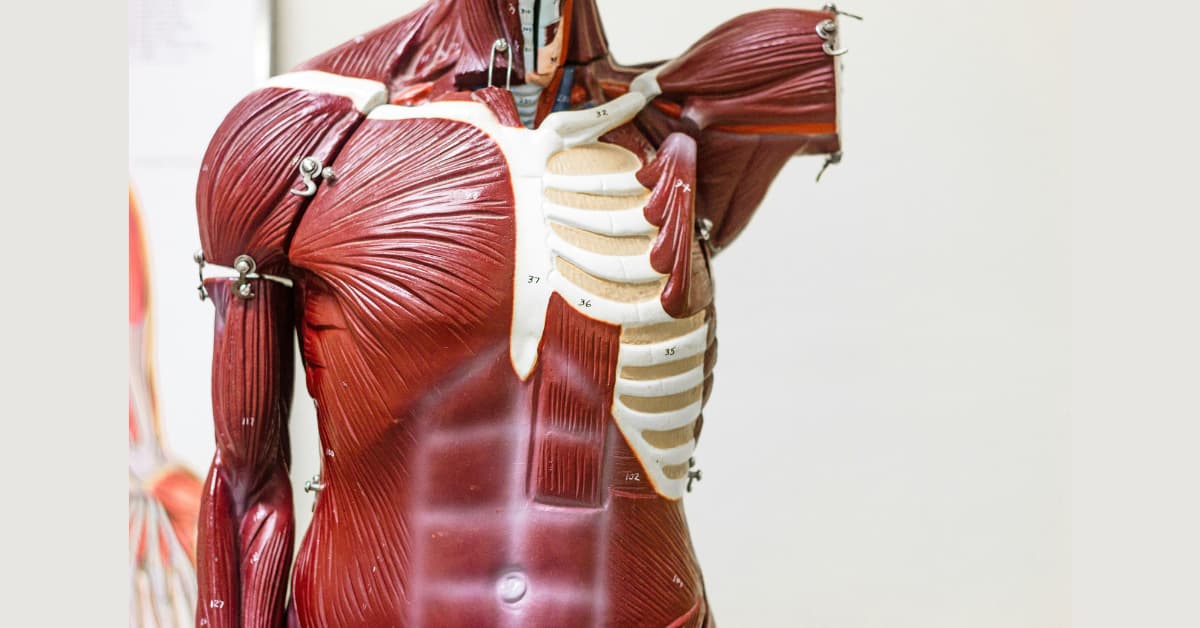
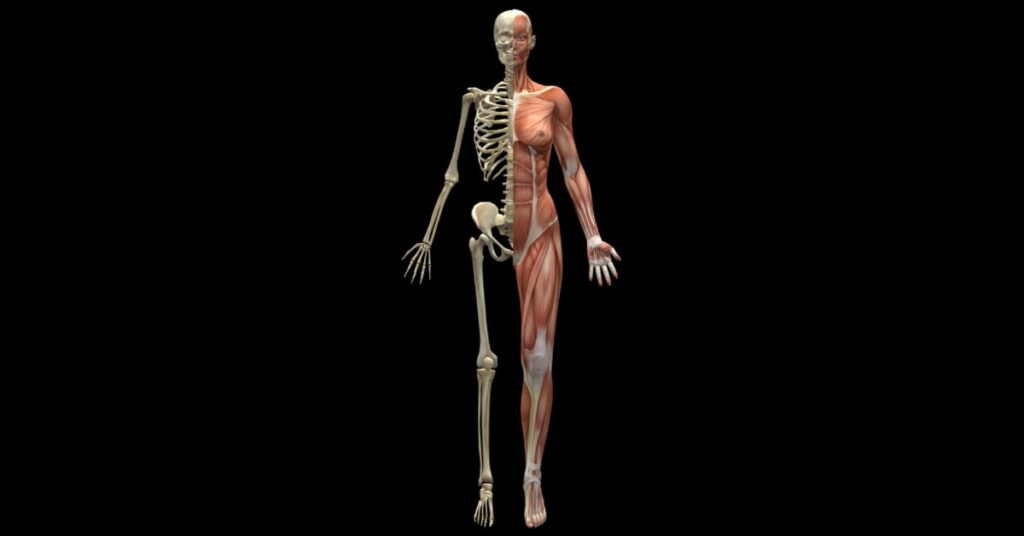
The muscular system is a complex network of over 600 muscles that powers the human body’s movement, stability, & important internal functions. Composed of specialized contractile tissues, this system works in tandem with the skeletal and nervous systems to transform chemical energy into mechanical force. Outside the visible actions of walking or lifting, the muscular system is constantly active behind the scenes, powering the rhythmic beat of the heart, pushing food through the digestive tract & also regulating body temperature through heat production. It is the fundamental framework that permits us to interact with our environment while maintaining the delicate internal balance required for life.
The human muscular system is the body’s engine. It’s the reason we can sprint for a bus, digest a heavy lunch, and keep the blood circulating 24/7. Without it, we’d be nothing more than a heap of bones and skin.
In this guide, we’re going to break down the muscular system into simple, easy-to-digest parts. We’ll look at how it works, the different types of muscles we have, and why each one is vital to our survival.
What Exactly Is the Muscular System?
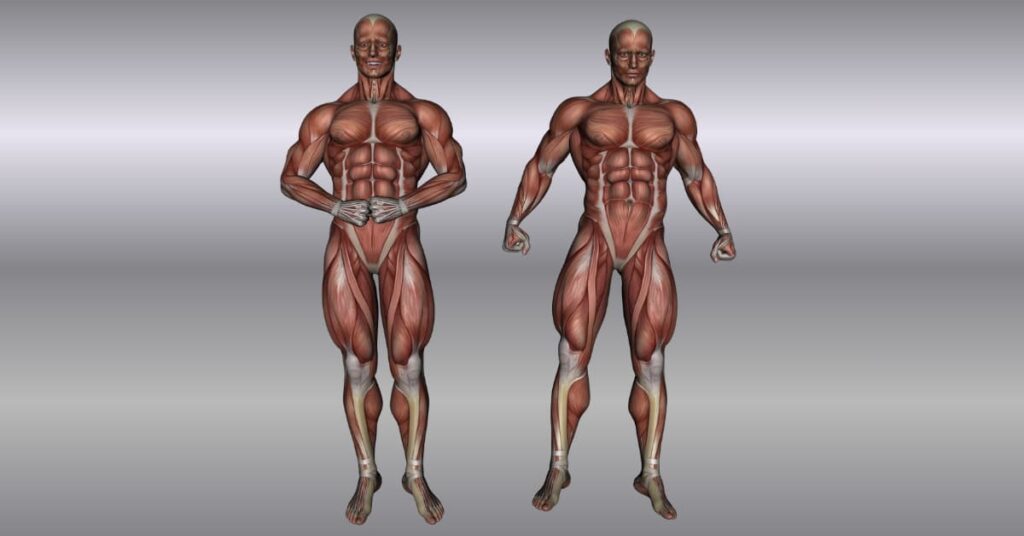
At its core, the muscular system is an organ system or machine consisting of skeletal, smooth, and cardiac muscles. It allows the body to move, maintain posture, and circulate blood.
Muscles are made of specialized cells called muscle fibers. Their primary job is contractibility. It means they have the unique ability to shorten or contract, which creates a pulling force. Since muscles can only pull (they can’t push), they usually work in pairs to move the limbs back and forth.
Why Do We Need It? (The Key Functions)
- Movement: From walking to blinking.
- Stability: Holding the head up while you read this.
- Heat Production: Ever shivered when you’re cold? That’s the muscles contracting rapidly to generate heat.
- Circulation: Pushing blood through the veins.
- Digestion: Moving food through the intestinal tract.
The Three Big Players: Types of Muscles
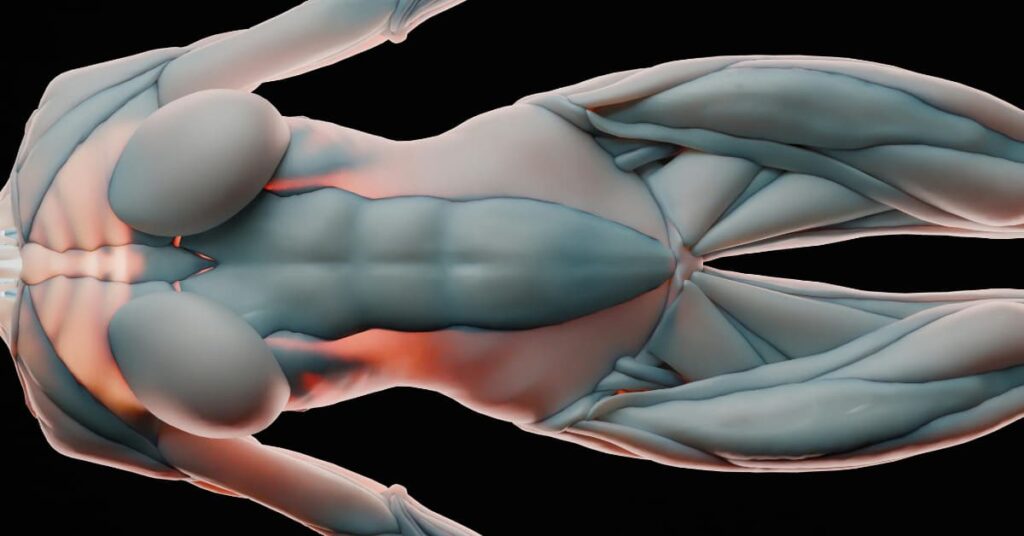
Not all muscles are created equal. Depending on where they are and what they do, they look and behave very differently. The body categorizes them into three distinct types: Skeletal, Smooth, and Cardiac.
1. Skeletal Muscle: The Movers and Shakers
When most individuals think of “muscles,” they’re thinking of skeletal muscles. Those are the ones attached to the bones by tendons. They are responsible for every external movement you make.
Key Characteristics:
- Voluntary: You have conscious control over them. You choose to lift the arm.
- Striated: Under a microscope, they appear striped, or “striated,” because of the way their fibers are organized.
- Fast-acting: They can contract quickly and powerfully, but they also tire out easily.
Example in Action: Think about the Biceps. When you decide to pick up a cup of coffee, the brain sends a signal to the bicep to contract. It pulls on the forearm bone, and the arm bends.
Sub-types of Skeletal Muscle Fibers: Did you know not all skeletal muscles are the same?
- Slow-twitch (Type I): These are great for endurance. Think of a marathon runner’s legs. They don’t get tired easily but aren’t super powerful.
- Fast-twitch (Type II): These are built for power and speed. Think of a sprinter or a weightlifter. They pack a punch but burn out fast.
2. Smooth Muscle: The Behind-the-Scenes Workers
Smooth muscles are the “silent partners” of the body. You’ll find them in the walls of hollow organs like the stomach, intestines, and bladder, as well as in the blood vessels.
Key Characteristics:
- Involuntary: You don’t have to think about them. They work automatically in response to the body’s needs.
- Non-striated: They don’t have that striped appearance; they look smooth under a microscope.
- Endurance Pros: They contract slowly and can stay contracted for a long time without getting tired.
Example in Action: Suppose you’ve just eaten a big slice of pizza. The esophagus uses smooth muscle to push that food down into the stomach through a process called peristalsis. You don’t have to tell the stomach to start churning; the smooth muscle knows what to do.
3. Cardiac Muscle: The Lifeline
This muscle is unique because it is found in only one place in the entire body: The Heart. It’s a hybrid of sorts; it has the strength and appearance of skeletal muscle but the involuntary nature of smooth muscle.
Key Characteristics:
- Involuntary: Thank goodness for this! You don’t have to remember to make the heart beat.
- Striated: Like skeletal muscle, it has a striped appearance.
- Rhythmic: It is designed to contract and relax in a perfect, steady rhythm throughout life.
- Self-Excitatory: It can actually generate its own electrical impulses to trigger a contraction.
Example in Action: The heart beats roughly 100,000 times a day. The cardiac muscle (the myocardium) works tirelessly to squeeze blood out to the lungs and the rest of the body, then relaxes to let blood back in.
How Muscles Actually Move: The Simple Science
To understand how a muscle works, you have to zoom in. Inside each muscle fiber are even smaller strands called myofibrils. These contain two main proteins: Actin and Myosin.
Imagine two combs interlocking. When the brain says “move,” these proteins slide past each other, overlapping more and shortening the muscle. It is called the Sliding Filament Theory.
The Role of the Nervous System
Muscles are useless without the brain. The Motor Unit is the bridge between the two. A single motor neuron (nerve cell) connects to a group of muscle fibers.
- For fine movements (like typing), one nerve might control only a few fibers.
- For large movements (like jumping), a single nerve might control thousands of fibers.
Why Muscle Health Matters (Beyond Looking Good)
We often associate muscles with the gym, but “muscle health” is about much more than a six-pack.
1. Metabolic Health
Muscles are a “metabolically active” tissue. It means even when you’re sitting still, the muscles are burning calories. Individuals with more muscle mass normally have a higher basal metabolic rate (BMR).
2. Bone Density
When muscles pull on bones during exercise, it actually signals the bones to become denser and stronger. This is why weight-bearing exercise is the number one recommendation for preventing osteoporosis.
3. Joint Protection
Strong muscles act like shock absorbers. If the quadriceps are strong, they take the pressure off the knee joints when you walk or run.
4. Glucose Regulation
Muscles are a primary storage site for glycogen (stored sugar). Having healthy muscle tissue helps the body manage blood sugar levels, that is crucial for preventing Type 2 Diabetes.
Common Problems with the Muscular System
Like any engine, the muscular system can run into mechanical trouble. Here are a few common issues:
- Muscle Strains: This happens when muscle fibers are overstretched or torn (often called a “pulled muscle”).
- Cramps: Involuntary, often painful contractions. Dehydration, electrolyte imbalances, or simple fatigue usually cause these.
- Atrophy: the “use it or lose it” principle. If you don’t use a muscle (like when a limb is in a cast), the fibers shrink and weaken.
- Muscular Dystrophy: A group of genetic issues or diseases that cause progressive weaknesses & loss of muscle mass over time.
How to Keep the Muscles Happy
Maintaining the muscular system doesn’t require being a professional athlete. It just requires consistency.
Fuel Them Right
Muscles need Protein to repair and grow. Think of protein as the “bricks” for your muscle house. Essential amino acids found in meat, beans, eggs, and nuts are non-negotiable for muscle maintenance.
Hydration is Key
Muscles are roughly 75% water. When you’re dehydrated, the muscles lose their ability to contract efficiently, leading to performance drops and cramping.
Resistance Training
You don’t need heavy weights. Resistance can come from bodyweight (push-ups), bands, or dumbbells. The goal is to challenge the muscle enough to create tiny “micro-tears,” which the body then repairs to make the muscle stronger.
Stretch and Recover
Muscles that are always “on” become tight and prone to injury. Incorporating stretching or yoga helps keep your muscle fibers flexible and maintains a full range of motion in the joints.
Fun Facts About the Muscles
- The busiest muscles: Your eye muscles move more than 100,000 times a day.
- The strongest muscle: Depending on how you measure it, it’s either the Masseter (the jaw muscle used for chewing) or the Gluteus Maximus (the butt), which is the largest.
- The smallest muscle: The Stapedius, located deep inside the ear. It’s less than 2 millimeters long!
- Hardest worker: The heart. It does enough work in a lifetime to lift a battleship.
Conclusion
The muscular system is a masterpiece of biological engineering. It’s a complex network that manages everything from the grandest leap to the smallest shiver. By understanding the three types of muscles, skeletal, smooth, and cardiac, we can better appreciate how our bodies navigate the world.
Whether you are looking to improve your athletic performance or want to stay mobile and healthy as you age, taking care of your muscles is one of the best investments you can make. Eat well, stay hydrated, and keep moving. Your “inner engine” will thank you for it.