Table of Contents
Introduction
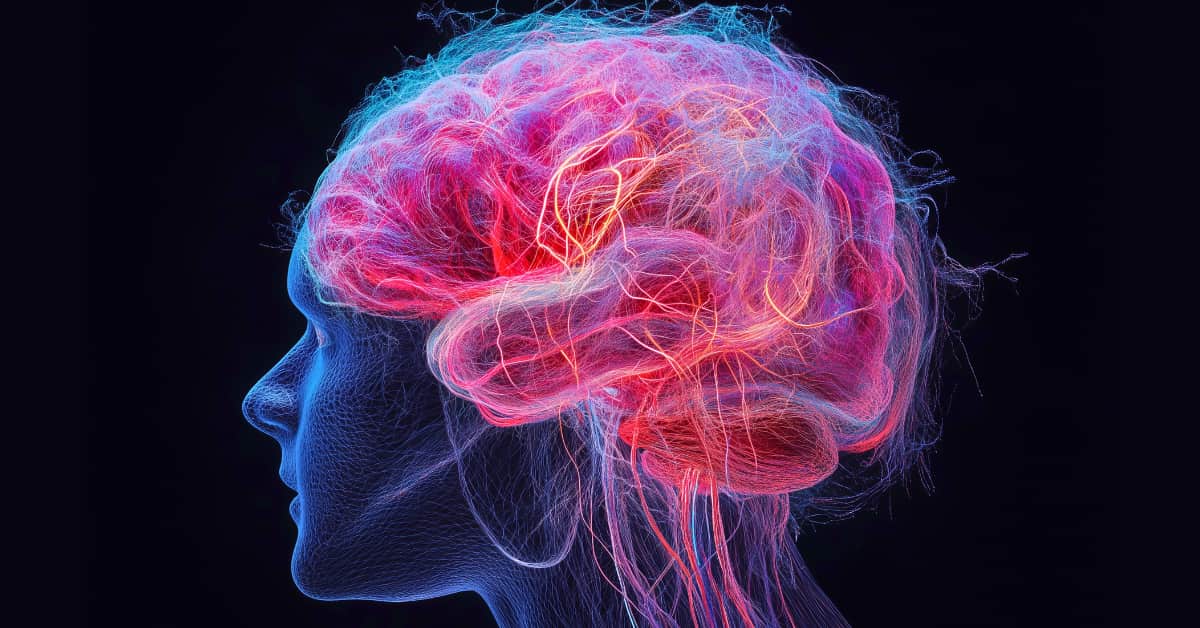
Imagine you’re walking down a busy street. You hear a car horn, you feel the warmth of the sun on the skin, you smell coffee from a nearby café, and you’re simultaneously planning what to cook for dinner. All of these things, sensing, feeling, moving, and thinking, happen because of one extremely complex network: the nervous system.
Think of it as the ultimate high-speed internet. It combines every single part of the body to a central “server” (the brain), sending messages back and forth in milliseconds. Without it, you wouldn’t just lose the ability to move; you’d lose the ability to be you.
In this direction, we’re going to break down how this system works, why it’s so important, and how it keeps you alive without you even having to think about it.
1. What Exactly is the Nervous System?
At its most straightforward, the nervous system is the body’s communication headquarters. It is a vast network of specialized cells which transmit signals between different parts of the body.
It has three main jobs:
- Sensing: Gathering information from the outside world (like heat) and inside the body (like hunger).
- Processing: Deciding what that information means (e.g., “The stove is hot!”).
- Reacting: Sending a signal to do something about it (e.g., “Pull the hand away!”).
The Building Blocks: Neurons
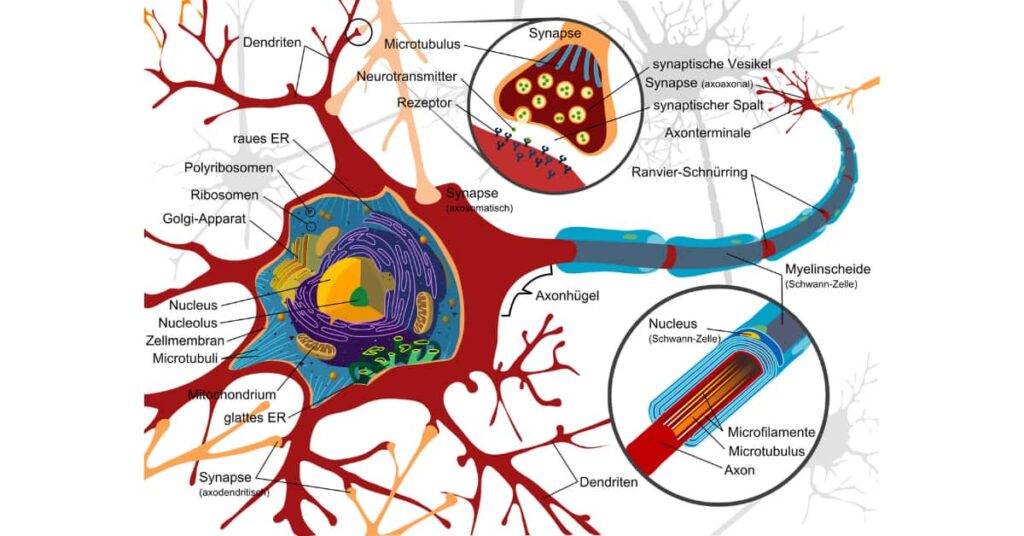
Before we look at the big organs, we have to look at the “wires.” These are called neurons. Unlike other cells in the body, neurons are designed to carry electricity.
- Dendrites: These look like tree branches and receive incoming signals.
- The Cell Body: The “brain” of the cell that processes the info.
- The Axon: A long tail that sends the signal out to the next neuron.
Example: Think of a neuron like a person in a bucket brigade. They catch a bucket of water (the signal), turn around, and pass it to the next person. In the body, this happens at speeds of up to 270 miles per hour!
2. The Two Big Divisions
To make studying easier, scientists split the nervous system into 2 main parts: the Central Nervous System (CNS) & the Peripheral Nervous System (PNS).
A. The Central Nervous System (CNS)
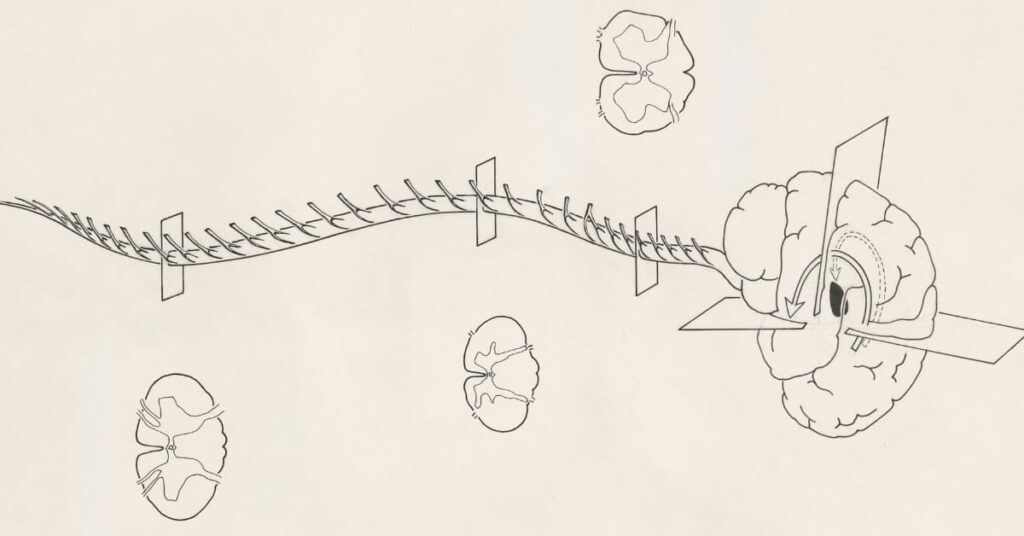
It is the “Control Center.” It contains of the Brain & the Spinal Cord.
- The Brain: The boss. It stores memories, processes emotions, and controls the movements.
- The Spinal Cord: The highway. It’s a thick bundle of nerves that runs down the back, acting as the main bridge between the brain and the rest of the body.
B. The Peripheral Nervous System (PNS)
These are the “Service Lines.” It consists of all the nerves that branch out from the spine to the fingertips, toes, and internal organs. If the CNS is the highway, the PNS is the network of side streets and driveways that lead to every individual house.
3. How the Peripheral System is Subdivided
The PNS is further broken down into the nerves’ actual functions. It is where things get really interesting.
The Somatic Nervous System (The Voluntary Part)
This part handles things you choose to do. When a person decides to kick a soccer ball or type on a keyboard, the somatic nervous system is at work. It carries commands from the brain to the skeletal muscles.
The Autonomic Nervous System (The “Auto-Pilot” Part)
It handles the stuff you don’t think about. The heart beating, the lungs breathing, and the stomach digesting lunch are all managed here.
The Autonomic system has two famous “modes”:
- The Sympathetic System (Fight-or-Flight): This kicks in when you’re stressed or in danger. The heart rate speeds up, the pupils dilate, and you get a burst of energy.
- Example: You see a large dog barking at you, and suddenly you feel like you could sprint a marathon. That’s your sympathetic system taking over.
- The Parasympathetic System (Rest and Digest): This is the “calm down” system. It lowers the heart rate and helps you relax after a stressful event.
- Example: After a big Thanksgiving meal, when you feel sleepy and relaxed on the couch, the parasympathetic system is hard at work.
4. The Five Senses: How We Experience the World
The nervous system wouldn’t be very useful if it didn’t know what was happening around us. We have “Sensory Neurons” that act like scouts.
- Sight: Light hits the retina, sending signals through the optic nerve.
- Hearing: Sound waves vibrate small bones in the ear, which trigger nerves.
- Touch: Pressure and temperature sensors in the skin tell you if something is soft, hard, hot, or cold.
- Smell & Taste: These use chemical sensors to identify molecules in the air or food.
Example: Have you ever noticed that if you smell something burning, the body reacts before you even see the smoke? The sensory neurons detected the chemical change, sent a “Danger!” signal to the brain, & the brain immediately shifted you into “Fight or Flight” mode.
5. Reflexes: The “Shortcut.”
Usually, a signal has to go from the limb, up the spinal cord, into the brain, get processed, and then go back down. But sometimes, that takes too long. In life-or-death situations, the body utilizes a Reflex Arc.
In a reflex, the signal only goes as far as the spinal cord before the “move” command is sent back.
Example: If you step on a sharp LEGO piece, you jerk the foot away before you even consciously feel the pain. Your spinal cord made the executive decision to move the foot to prevent further damage, then told the brain, “Hey, we just stepped on something sharp.”
6. Common Issues: When the Wires Get Crossed
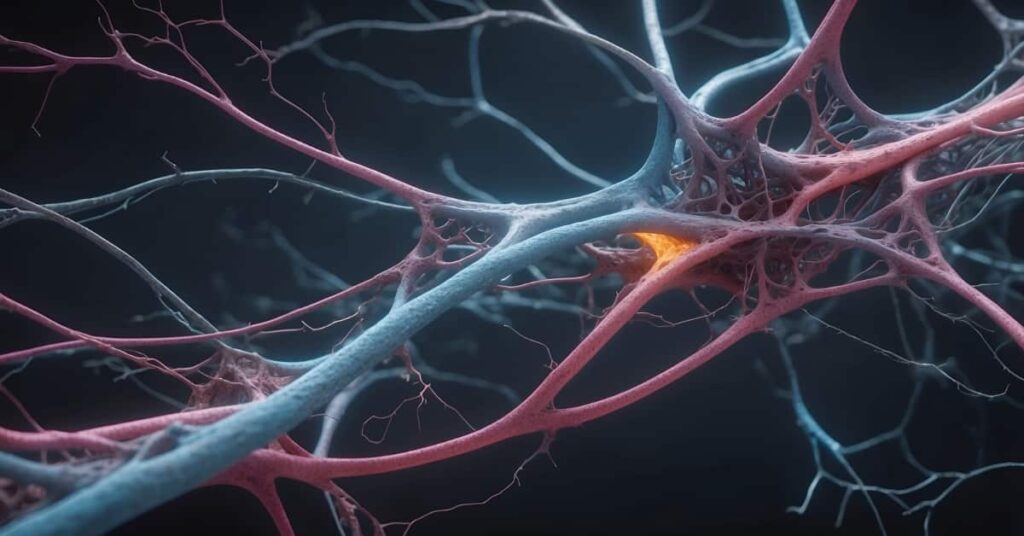
Because the nervous system is so delicate, things can sometimes go wrong. Comprehending these helps us appreciate how much work our bodies do every day.
- Multiple Sclerosis (MS): This occurs when the protective coating around nerves (myelin) is damaged, slowing nerve signals.
- Alzheimer’s Disease: This affects the brain’s ability to process and store information, specifically impacting memory.
- Neuropathy: Often caused by diabetes, this is a “numbness” or tingling in the hands and feet because the peripheral nerves are damaged.
- Concussions: A physical injury where the brain “rattles” inside the skull, causing temporary glitches in the system.
7. How to Keep the Nervous System Healthy
Since this system controls everything, it pays to take care of it. You don’t need fancy equipment; you need to support the biological “hardware.”
Sleep is Non-Negotiable
When you sleep, your brain performs “housekeeping.” It flushes out toxins and strengthens the neural pathways you created during the day (this is how learning happens!).
Eat Healthy Fats
Your brain is about 60% fat. Omega 3 fatty acids (that is found in fish, walnuts, & flaxseeds) are essential for maintaining the insulation around your nerves.
Manage Stress
Constant “Fight or Flight” mode is exhausting for the body. Chronic stress keeps your sympathetic nervous system active for too long, which can lead to high blood pressure and anxiety.
Stay Active
Physical exercise or workout increases blood flow to the brain and helps grow new connections between neurons. It’s like a software update for your head.
8. Summary Table: Quick Reference
| Part | Function | Real-Life Example |
| Brain | The Mastermind | Figuring out a math problem. |
| Spinal Cord | The Information Highway | Carrying the signal to move your legs. |
| Somatic System | Voluntary Movement | Waving hello to a friend. |
| Autonomic System | Involuntary Actions | Your heart beating while you sleep. |
| Sympathetic | Fight or Flight | Your “jitters” before a big presentation. |
| Parasympathetic | Rest and Digest | Feeling calm after a deep breath. |
9. Fun Facts You Probably Didn’t Know
- You have billions of them: There are more neurons in a single human brain than there are stars in the Milky Way galaxy.
- No pain in the brain: While the brain processes pain signals for the whole body, the brain tissue itself has no pain receptors. You could (theoretically) poke a brain, and it wouldn’t feel a thing.
- Electric Body: At any given moment, the brain is producing enough electricity to power a small LED light bulb.
- Length: If you lined up all the neurons in the body end-to-end, they would stretch for about 600 miles!
Food list to help strengthen the nervous system:
1. Healthy Fats (The “Insulators”)
Your nerves are coated in a protective layer called myelin, which is made mostly of fat. If this coating wears down, the “wires” short-circuit.
- Fatty Fish: Salmon, mackerel, & sardines are packed with Omega 3 fatty acids. These are the primary building blocks for brain and nerve cells.
- Avocados: Rich in monounsaturated fats, which support healthy blood flow to the brain and keep nerve membranes flexible.
- Walnuts: These specifically contain high amounts of alpha-linolenic acid (ALA), which protects the brain from oxidative stress.
2. B-Vitamin Powerhouses (The “Repair Crew”)
B vitamins, especially B1, B6, and B12, are the most critical nutrients for nerve health. A deficiency in these often leads to that “pins and needles” feeling or numbness.
- Leafy Greens: Spinach, kale, and chard are loaded with Vitamin B complex and Folate.
- Eggs: One of the best sources of Choline, which helps produce acetylcholine, a neurotransmitter responsible for mood and memory.
- Legumes: Lentils, chickpeas, and beans provide a steady supply of energy and B vitamins to support a calm nervous system.
3. Essential Minerals (The “Signal Boosters”)
Minerals act as the electrolytes that allow electrical signals to travel from the brain to the toes.
- Bananas: Famous for Potassium, which helps nerves send and receive signals.
- Pumpkin Seeds: A massive source of Magnesium. Magnesium helps the nervous system relax; without it, the nerves can become “over-excited,” leading to anxiety or muscle spasms.
- Dark Chocolate (70% or higher): Contains magnesium and flavonoids that improve the blood flow to the brain.
4. Antioxidants (The “Shields”)
Nerves are very sensitive to “oxidative stress” (damage from toxins and aging). Antioxidants neutralize this threat.
- Berries: Blueberries, strawberries, and blackberries contain anthocyanins, which have been shown to improve communication between neurons.
- Turmeric: Contains Curcumin, which may cross the blood-brain barrier and has potent anti-inflammatory effects on nerve tissue.
Daily “Nerve-Strong” Meal Plan Idea
| Meal | Food Suggestion | Benefit |
| Breakfast | Scrambled eggs with spinach and a side of berries. | Choline for memory + B-vitamins for nerve repair. |
| Lunch | Grilled salmon salad with walnuts and avocado. | Omega-3s to build the myelin sheath. |
| Snack | A small handful of pumpkin seeds or a banana. | Magnesium and Potassium for signal strength. |
| Dinner | Lentil soup or grilled chicken with steamed broccoli. | Steady glucose and B12 for energy. |
Conclusion
The nervous system is truly the miracle of human biology. It is the bridge between the physical world and our internal consciousness. It allows us to feel the breeze, recognize our childhoods, breathe without thinking, and react to danger in the blink of an eye.
When you think about it, you aren’t just using the nervous system in many ways; you are the nervous system. By understanding how it works, from the tiny electric pulses in a neuron to the massive processing power of the brain, we can better appreciate why health, rest, and safety are so vital.