Table of Contents
Introduction
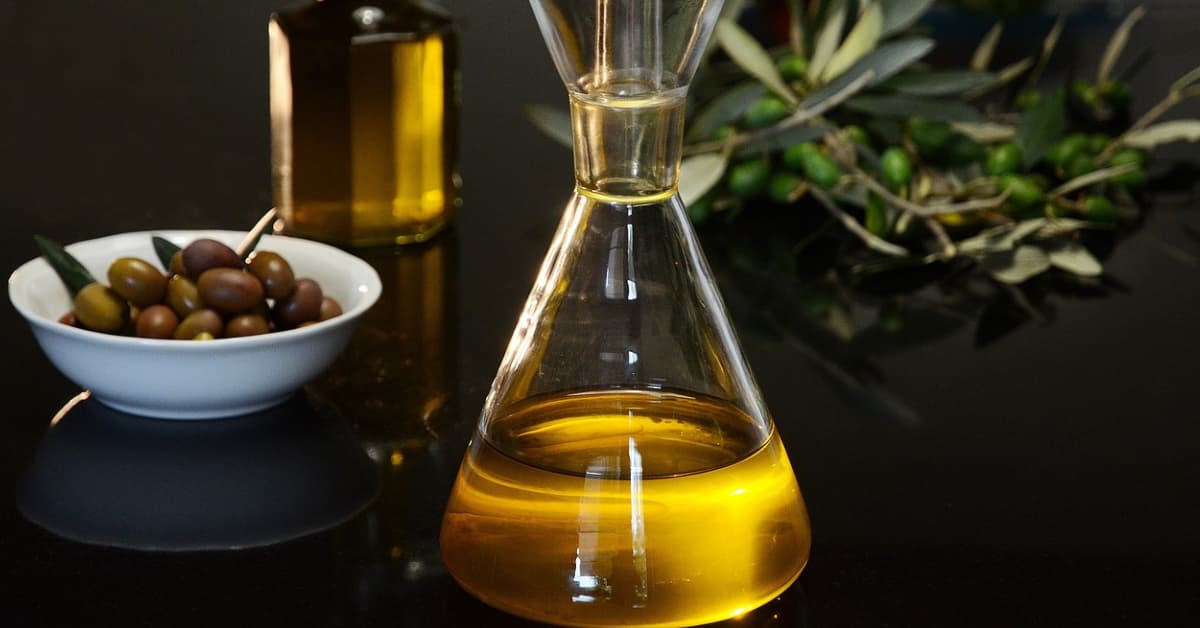
Olive (Olea europaea) is a tree with palatable fruit, leaves, and seeds. Olive oil arrives from the olive fruit and includes monounsaturated fatty acids. Fatty acids in olive oil seem to lower cholesterol levels and have anti-inflammatory results.
Olive oil is typically used in foods. In medicine, individuals most commonly use olive oil for diabetes, heart disease, and high blood pressure. It is also utilized for high cholesterol, memory, cancer, and thinking skills, obesity, migraine, and many other conditions. Still, there is no strong scientific evidence to support many of these uses.
Olive Oil
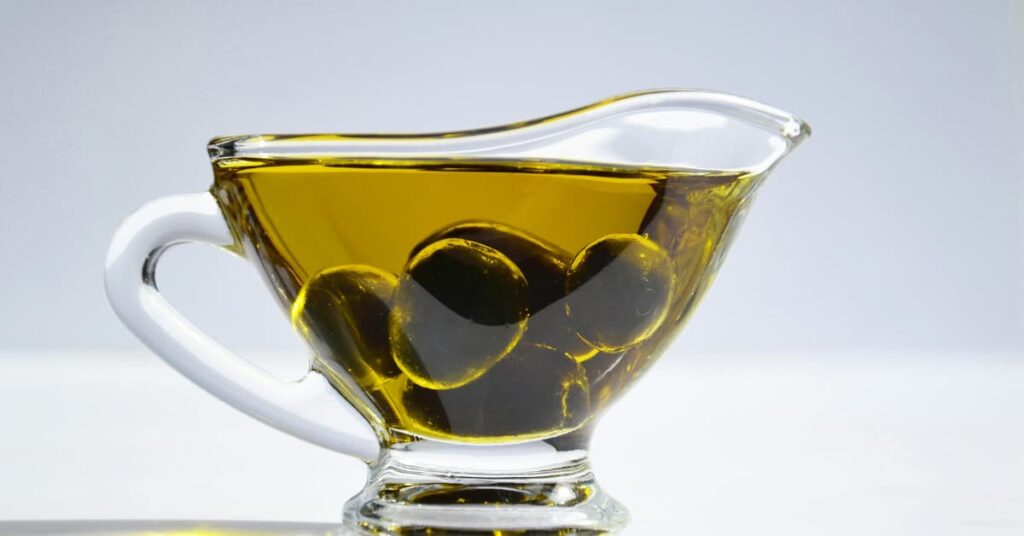
Olive oil, a golden liquid extracted from the fruit of the tree, has been a culinary & cultural staple for millennia. Renowned for its heart-healthy monounsaturated fats, it’s a cornerstone of the celebrated Mediterranean diet. Beyond the kitchen, its antioxidant and anti-inflammatory properties make it a prized component in skincare and haircare. Extra virgin olive oil (EVOO), the least processed variety, boasts the most decadent flavor and the highest nutrient content.
From drizzling over salads to sautéing vegetables, its versatility in cooking is unmatched. Its distinct flavor profile ranges from fruity and buttery to peppery and pungent, depending on the olive variety and origin. Historically, it has served as a source of light, a lubricant, and even a sacred anointing oil. Modern research continues to uncover its potential to reduce the risk of chronic diseases. Choosing high-quality oil supports sustainable farming practices and preserves ancient traditions. A bottle of this liquid gold is more than just an ingredient; it’s a testament to nature’s bounty and human ingenuity.
Is olive oil a seed oil
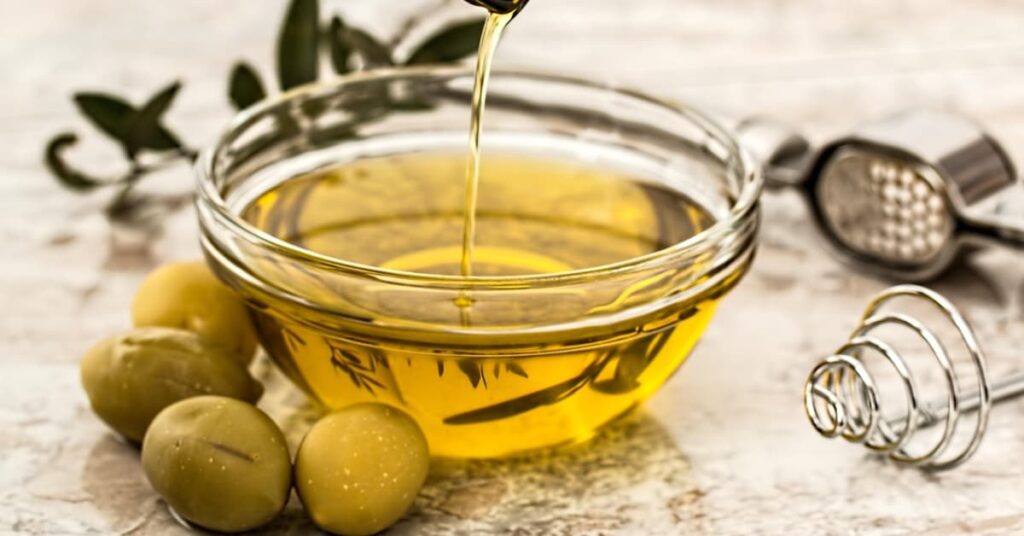
No, it is not a seed oil. It is technically categorized as a fruit oil.
The key distinctions between olive oil and seed oils are:
- Source: Olive oil is extracted from the fleshy part (mesocarp) of the olive fruit, equivalent to how avocado oil is made. The pit or seed of the olive is not utilized to produce the oil. In contrast, seed oils (like sunflower, canola, corn, and soybean oil) are pulled from the seeds of the plant.
- Extraction Process: Virgin and Extra Virgin olive oils are generally produced by mechanical pressing (grinding the fruit) without the use of chemicals. Most industrial seed oils require chemical solvents (like hexane) and high-heat refining processes to extract the oil and make it edible.
- Fat Composition: This oil is mainly composed of monounsaturated fats (oleic acid), which are durable and widely considered heart-healthy. Seed oils usually are higher in polyunsaturated fats (omega-6), which are more prone to oxidation and inflammation when ingested in excess.
Because of these differences, olive oil is often suggested as a healthier alternative to industrial seed oils.
Calories
One tablespoon of this oil includes about 120 calories, while a teaspoon has about 40 calories. It is a calorie-dense meal because it is pure fat: 100 grams include around 885 calories. Despite its high calorie count, this oil is wealthy in monounsaturated fats and other nutrients, creating it a healthy part of a balanced diet when ingested in moderation.
Calorie breakdown by serving size: 1 tablespoon: ~120 calories, 100 grams: ~884 calories, one teaspoon: ~40 calories.
Nutritional highlights
- Vitamins: This oil is a source of fat-soluble vitamins, such as E and K, which support nutrient absorption.
- Fat: A tablespoon includes about 14 grams of total fat, including primarily monounsaturated fats.
- Other nutrients: It holds zero carbohydrates, sugar, or protein, and trace quantities of other nutrients.
Benefits
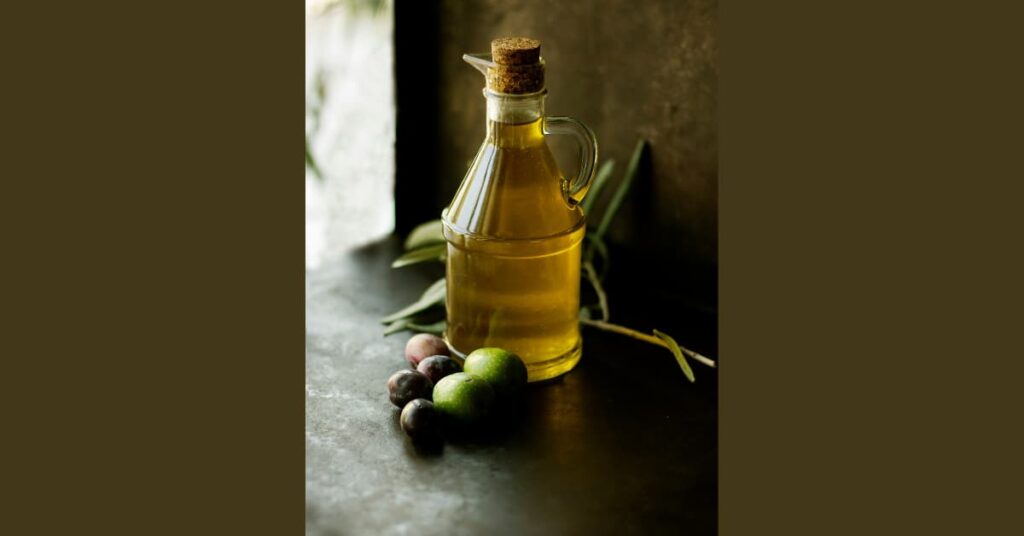
Proven health benefits of this oil, particularly extra virgin olive oil (EVOO), which is considered the healthiest type due to its minimal processing.
I. Promotes Heart Health
This oil is widely acknowledged for its positive effect on cardiovascular health.
1. Improves Cholesterol Levels:
It is very rich in monounsaturated fats, especially oleic acid, that may assist in lowering LDL (“bad”) cholesterol while keeping or increasing HDL (“good”) cholesterol.
2. Lowers Blood Pressure:
Regular consumption of this oil has been linked to decreased blood pressure, a key risk factor for heart disease. Some olive oil components, such as oleuropein, support protecting LDL cholesterol from oxidation.
4. Reduces Risk of Disease:
Investigations show that individuals who follow a Mediterranean diet affluent in this oil have a lower the chance of heart issues, stroke, and cardiovascular events. One analysis suggested that consuming just half a tablespoon of EVOO daily could lower the risk of heart disease by 14%.
II. Rich in Antioxidants and Anti-Inflammatory Compounds
EVOO is filled with potent antioxidants that fight dangerous free radicals, lowering oxidative stress and inflammation, that are drivers of many chronic conditions.
5. Polyphenols:
It includes over 20 kinds of polyphenols, that have powerful antioxidant and anti-inflammatory properties. These combinations are believed to assist in protecting against cancer, heart disease, and neurodegenerative diseases.
6. Natural Anti-Inflammatory:
A distinctive antioxidant, oleocanthal, has been established to work similarly to ibuprofen, a nonsteroidal anti-inflammatory drug, by lowering inflammatory features, for example, C-reactive protein.
7. Vitamin E:
This oil is a vibrant source of Vitamin E, a fat-soluble antioxidant that helps immune function and infection prevention.
III. Potential Cancer-Fighting Properties
It may reduce the risk of certain cancers.
8. The antioxidants in this oil have anticancer properties:
The antioxidants in it help lower oxidative harm caused by free radicals, a primary driver of cancer development. Oleocanthal, especially, is thought to play a role in the death of cancer cells. Observational investigations indicate that higher this oil intake can be connected with a lower chance of breast and colorectal cancer.
IV. Other Health Benefits
9. Type 2 Diabetes:
Diets high in this oil have been associated with a lower chance of creating type 2 diabetes and may assist enhance blood sugar control and insulin sensitivity.
10. Brain Health:
Some analysis indicates that the components in this oil may support and protect the nervous system and could help lower the chance of depression, Alzheimer’s disease, and anxiety.
11. Inflammatory Diseases:
Olive oil may support managing immune-inflammatory conditions such as rheumatoid arthritis and inflammatory bowel disorder.
12. Digestive Health:
Taking this oil by mouth may assist in softening stools in individuals with constipation.
Extra virgin Olive oil
Most of the modifiers that precede olive oil, for example, virgin or extra virgin, refer to the methods manufacturers utilize to create the oil. EVOO have experienced the least processing.
When the manufacturer method the oil, they clean it with chemicals and then warm it. These methods extend shelf life, which is perfect for the food industry, but they may strip away much of the oil’s flavor and some of its advantages.
Extra virgin is not heated or warmed; it is cold-pressed. The manufacturing procedure results in a lower yield, creating it more costly to produce that refined olive oil.
According to an investigation, EVOO has higher levels of polyphenols than refined olive oil. Polyphenols are antioxidants with numerous health benefits. Refining olive oil strips it of its polyphenols, vitamins, and different natural ingredients.
Many individuals find that EVOO has a better pungent taste and smell than olive oils that have experienced more processing.
Therefore, individuals might want to use EVOO as salad dressing or for dipping bread, while refined olive oil may be more suitable for cooking.
Fresh, unprocessed EVOO tastes slightly peppery, a bit fruity, and a little bitter, similar to biting into an olive.
If the oil tastes flavorless, metallic, or musty, it may be due to overprocessing or spoilage.
Many individuals opt for unfiltered, cold-pressed, or stone-pressed EVOO when selecting which to purchase. With these opportunities, the oil has not been heated or filtered, which is usually done to add chemicals.
Olive oil smoke point
The smoke point for this oil varies by type, but generally ranges from
374–410°F (190–210∘°C) for extra virgin and up to 470°F (
243∘C) for refined olive oil. The type of olive oil matters because the refining process increases the smoke point. While EVOO has a lower smoke point, it is still stable for most cooking methods, and recent studies show it is much more stable than other oils with higher smoke points, especially when cooking with moist food.
Olive Oil for hair
It has been used for centuries as a natural hair care treatment. While scientific evidence specifically on olive oil for hair is somewhat limited compared to other oils like coconut oil, its composition suggests several potential benefits.
Benefits of Olive Oil for Hair:
- Deep Conditioning & Moisturizing: This oil is rich in oleic acid, palmitic acid, and squalene. These are emollients, meaning they have softening and soothing properties. They can penetrate the hair shaft to some degree, helping to retain moisture, reduce dryness, and make hair feel softer and smoother.
- Reduces Breakage & Split Ends: By moisturizing and coating the hair shaft, this oil can increase hair’s elasticity and reduce friction, helping prevent breakage and split ends. This can help prevent breakage & split ends, giving hair a healthier, thicker appearance over time.
- Adds Shine: The smoothing effect of this oil on the hair cuticle can enhance light reflection, giving dull hair a radiant shine.
- Tames Frizz: Olive oil can help smooth down the hair cuticle, which is effective in reducing frizz and flyaways, especially in humid conditions.
- Scalp Health: The antioxidants (like Vitamin E and polyphenols) and anti-inflammatory properties of olive oil may help soothe a dry, itchy, or irritated scalp. However, caution is advised for certain scalp conditions.
What Olive Oil Cannot Do:
- Stimulate Hair Growth: There is no scientific proof to support the claim that using olive oil topically can stimulate new hair growth from dormant follicles or treat conditions like male or female pattern baldness. One study on mice showed some promise with a compound found in olives, but this has not been replicated in humans.
Best Hair Types for Olive Oil:
It is a heavier oil, so it is generally best suited for:
- Dry, damaged, or brittle hair
- Thick, coarse, or curly hair
- Processed or color-treated hair
Those with fine or thin hair should utilize it sparingly, focusing on the ends, as it can easily weigh hair down and make it look greasy.
How to Use Olive Oil for Hair:
For the best results, use EVOO as it is the least processed & retains the most nutrients.
- Warm Oil Treatment: Gently warm a small amount of olive oil (a few tablespoons, depending on hair length). Use it to dry and damp hair, focusing on the mid-lengths and ends. Massage a small amount into the scalp if it’s dry. Wrap with a warm cloth or towel for 20 minutes to an hour, or leave it on overnight for a deep treatment. Shampoo thoroughly, possibly twice, to remove all the oil.
- Pre-Shampoo Treatment (Pre-poo): Apply olive oil to dry hair at least 15-30 minutes before showering to protect it from the stripping effects of shampoo and water.
- Leave-in Conditioner/Finishing Serum: For very dry or thick hair, a tiny drop of olive oil can be rubbed between palms and smoothed over the ends of styled hair to add shine and tame frizz. Use a minimal amount to avoid greasiness.
- Hair Mask: Mix this oil with other natural ingredients for added benefits.
- Olive Oil & Honey: For intense moisture. Mix 4 tbsp olive oil with one tbsp honey.
- Olive Oil & Egg: For strengthening. Whisk one egg with 2 tbsp olive oil.
- Olive Oil & Avocado: For deep nourishment. Mash half an avocado with 2 tbsp olive oil.
Conclusion
Olive oil is typically used in foods. In medicine, individuals most commonly use olive oil for diabetes, heart disease, and high blood pressure. It is also utilized for high cholesterol, memory, cancer, and thinking skills, obesity, migraine, and many other conditions. Still, there is no strong scientific evidence to support many of these uses.