Table of Contents
Introduction
Protein is often named the “building block of life,” and for good reason, it is a fundamental macronutrient found in every single cell of the human body. Outside of just being a popular buzzword in the fitness world for muscle growth, protein is responsible for a vast array of vital operations, including repairing damaged tissues, making essential enzymes and hormones, and maintaining the structural integrity of the hair, skin, and bones. Made up of smaller chains named amino acids, proteins act as the “brick and mortar” that keep biological systems running smoothly. Since the body cannot store Protien the way it stores fat or carbohydrates, consistently consuming high-quality sources in the diet is non-negotiable for staying energized, strong, and healthy.
What is Protein (P), Anyway?
At its simplest level, P is a macronutrient. “Macro” means your body needs it in large amounts to function properly (unlike vitamins or minerals, which are “micronutrients”).
Chemically, proteins are made up of smaller units called amino acids. Imagine a beaded necklace: the entire necklace is the P, and each bead is an amino acid. There are about 20 different amino acids that link together in various combinations to create every tissue in your body.
The Essential vs. Non-Essential Debate
The body is smart; it can actually manufacture some amino acids on its own. However, the body cannot make nine amino acids. These are called essential amino acids, and the only way to get them is through the food you eat.
The Different Types of Protein
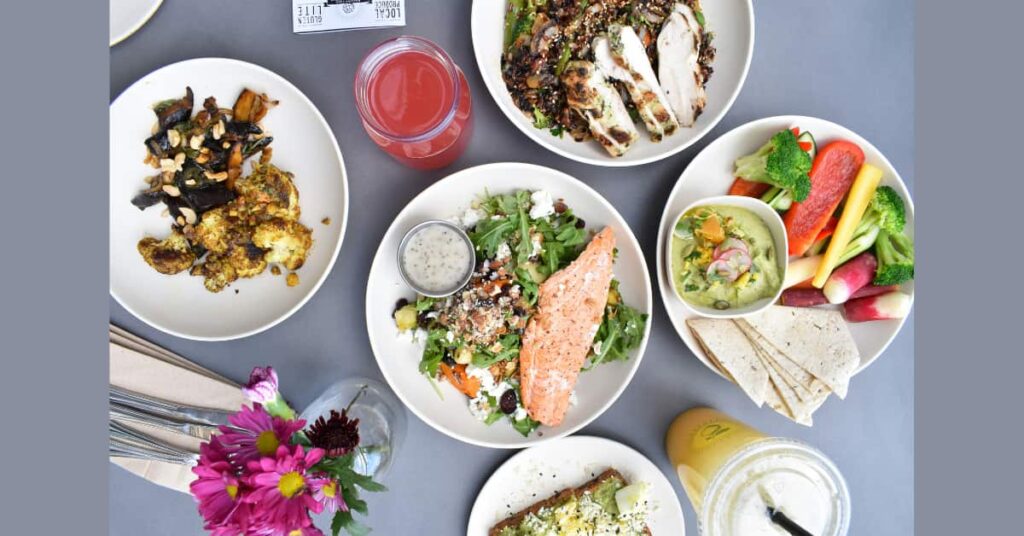
Not all P are created equal. When we talk about types of P, we usually categorize them in two ways: by their source and by their amino acid profile.
1. Complete P
A “complete” P is a food source which includes all 9 of those essential amino acids we mentioned earlier. Most animal-based products fall into this category.
- Examples: Meat, poultry, fish, eggs, & dairy.
- Plant-based exceptions: Quinoa & soy are rare plant sources that are actually complete P.
2. Incomplete P
These are foods that are low in one or more essential amino acids. Most plant-based P are incomplete on their own, which is why variety is so important for vegetarians and vegans.
- Examples: beans, nuts, seeds, and grains.
3. Complementary P
It is where the magic happens for plant-eaters. If you eat two “incomplete” proteins together, they often fill in each other’s gaps to create a complete amino acid profile.
- Classic Example: Rice and beans. Separately, they’re incomplete. Together, they’re a nutritional powerhouse.
Why Do We Need It? The Massive Advantages of Protein
If you think protein is just for “bulking up,” you’re missing about 90% of the picture. P is involved in almost every biological process you have.
1. Muscle Growth and Repair
It is the most notable benefit. When you exercise, especially weightlifting, you create tiny micro-tears in the muscle fibers. P rushes in to “patch” these tears, creating the muscle stronger and slightly larger than before. Without enough P, the body can’t recover, leaving you feeling weak and sore.
2. Weight Management and Satiety
Have you ever witnessed that you feel full much longer after a steak than after a bowl of pasta? P decreases the level of the “hunger hormone” (ghrelin) & boosts the levels of hormones that make you feel full. It makes it much easier to stick to a diet without feeling like you’re starving.
3. Strengthening the Immune System
Antibodies, which are the “soldiers” of the immune system that fight off viruses and bacteria, are made of P. If you aren’t eating enough of it, the immune system can become sluggish, leaving you more prone to illness.
4. Healthy Hair, Skin, and Nails
The structures of the hair and nails are primarily made of a P named keratin. Also, collagen (the P that keeps the skin looking youthful and elastic) depends on a steady supply of amino acids.
5. Bone Health
While calcium and Vitamin D get all the credit for bone health, about 50% of the bone volume is actually made of P. A high-P diet is associated with better bone density as you age.
Top 10 Foods High in Protein
You don’t need to live off P shakes to get the fix. Real, whole foods are always the best way to fuel the body. Here are ten of the best sources:
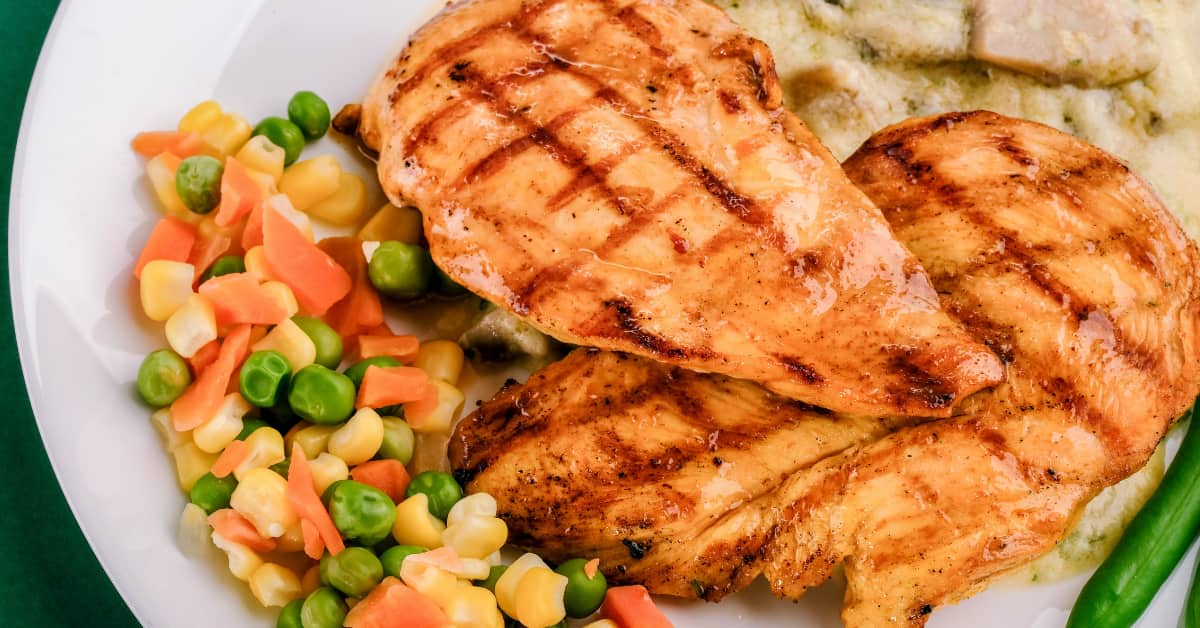
1. Chicken Breast
The gold standard for fitness enthusiasts. It’s incredibly lean, meaning you get a massive P hit with very little fat or calories.
- Protein Content: Roughly 31g per 100g.
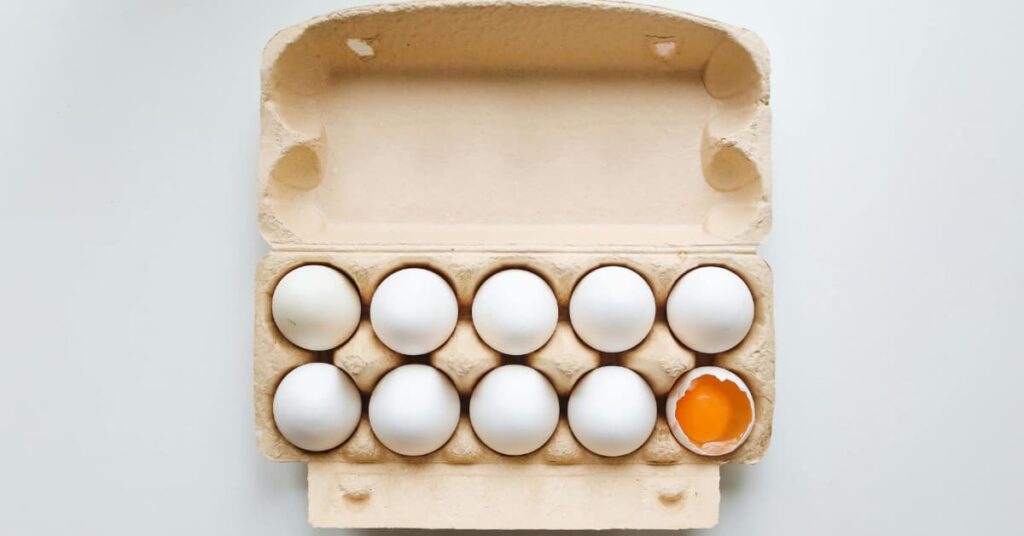
2. Eggs
Eggs are often called the “perfect P” because their amino acid profile is so well-balanced. Plus, they contain healthy fats and choline, both of which are great for brain health.
- Protein Content: About 6g per big egg.
3. Greek Yogurt
Unlike regular yogurt, Greek yogurt is strained to remove excess whey, leaving a thick, creamy product packed with P. It also includes probiotics for gut health.
- P Content: Roughly 10g per 100g.
4. Lentils
A superstar for vegans and vegetarians. Lentils are high in fiber, which helps digestion, and deliver a steady release of energy.
- P Content: About 9g per 100g (cooked).
5. Lean Beef
Beef provides “heme” iron, which is more easily absorbed by the body than plant-based iron, along with Vitamin B12 and zinc.
- Protein Content: Roughly 26g per 100g.
6. Almonds
While they are technically a fat source, almonds pack a surprising protein punch. They’re the perfect “on-the-go” snack.
- Protein Content: About 21g per 100g.
7. Cottage Cheese
It might have a “retro” reputation, but cottage cheese is a secret weapon. It’s high in casein protein, a slow-digesting protein. Many athletes eat it before bed to keep their muscles fueled overnight.
- Protein Content: Roughly 11g per 100g.
8. Quinoa
As mentioned, quinoa is one of the few plant sources that is a “complete” protein. It’s also gluten-free and high in magnesium.
- Protein Content: About 4.4g per 100g (cooked).
9. Tuna and Fatty Fish
Tuna is almost pure protein. Salmon and mackerel, while slightly lower in protein than tuna, are rich in Omega-3 fatty acids, which help reduce inflammation.
- Protein Content: Roughly 28g per 100g (Tuna).
10. Tofu and Tempeh
Made from soybeans, these are incredibly versatile. Tempeh, being fermented, is also great for your microbiome.
- Protein Content: Roughly 8g to 19g per 100g, depending on firmness.
How Much Protein Do You Actually Need?
There’s no one-size-fits-all solution, but here’s a general rule of thumb.
The Recommended Dietary Allowance (RDA) is 0.8 grams of P per kilogram of body weight. Nevertheless, most modern nutritionists agree that this is the bare minimum to prevent deficiency, not the “optimal” amount for health.
- For the average sedentary person: Aim for 0.8 g to 1.2 gram per kg of body weight.
- For active individuals/athletes, you may need 1.6-2.2 g/kg to support muscle repair.
Pro Tip: Instead of trying to eat all your P in one giant dinner, spread it out over several meals. Your body processes P more efficiently when you have 20–30 grams per meal.
Common Myths
Let’s clear up some of the misinformation floating around the internet.
Myth 1: “Too much protein damages the kidneys.”
For a healthy individual with normal kidney function, a high-P diet is generally safe. This myth usually stems from the fact that individuals with existing kidney illness are often told to limit P to lower the workload on those organs. If you’re healthy, you’re fine.
Myth 2: “You can only get ‘real’ protein from meat.”
It simply isn’t true. While meat is a convenient source, you can absolutely build a strong, healthy body on a plant-based diet. It takes more planning to ensure you’re getting a variety of amino acids.
Myth 3: “You must drink a protein shake within 30 minutes of working out.”
The “anabolic window” isn’t as narrow as people think. While it’s good to eat after a workout, your total P intake throughout the day is much more significant than the exact timing of a single shake.
Conclusion
Protein is the foundational component that keeps the skin glowing, the immune system sharp, the hunger in check, and the energy levels stable. Whether you’re a heavy-lifting athlete or someone just looking to feel a little better throughout the day, paying attention to P intake is one of the best investments you can make in your health.
Don’t overcomplicate it. You don’t need fancy supplements or restrictive diets. Start by looking at the plate & asking, “Where is my protein coming from?” If you can include a high-quality source, whether it’s an egg, a bowl of lentils, or a piece of chicken, in every meal, you’re already ahead of the game.