Table of Contents
Introduction
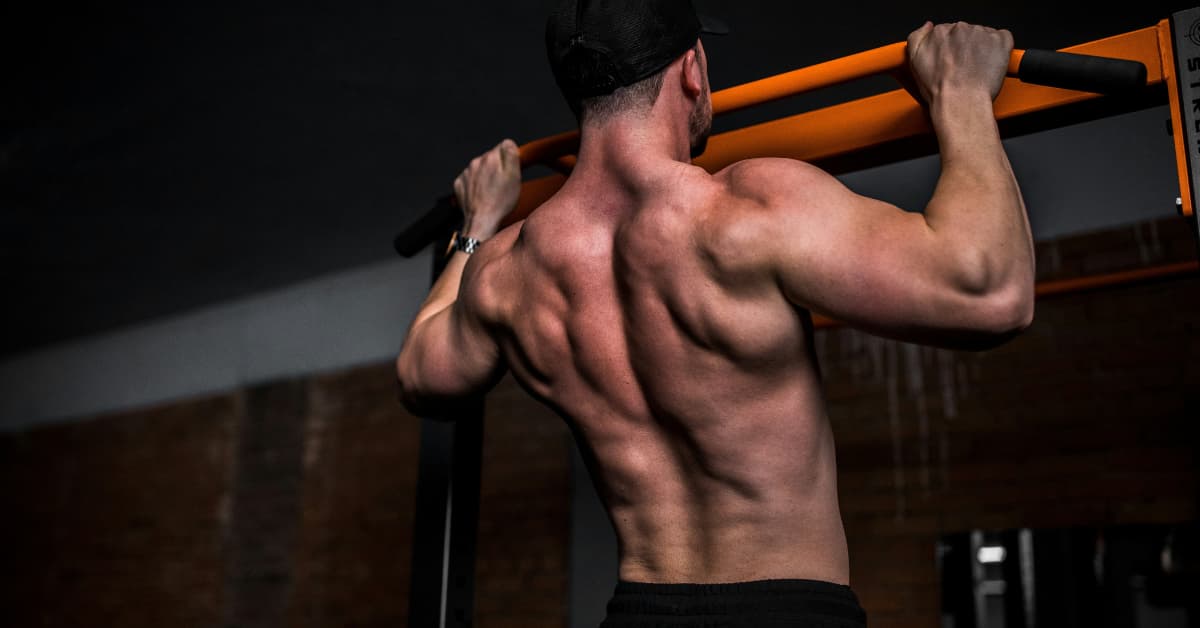
The pull ups is an actual compound upper-body exercise or movement that serves as an exclusive benchmark for functional strength and muscular control. Executed by hanging from a fixed bar with an overhand grip and lifting the entire body weight until your chin clears the bar, it mainly targets the latissimus dorsi (back muscles), while simultaneously heavily engaging the biceps, rear deltoids, and core stabilizers. Praised for its simplicity and high effectiveness, this bodyweight movement needs minimal equipment yet delivers maximum results, allowing you to build a wide “V-taper” physique, enhance grip strength, and improve posture by balancing the hunching effects of daily sitting.
Pull Ups
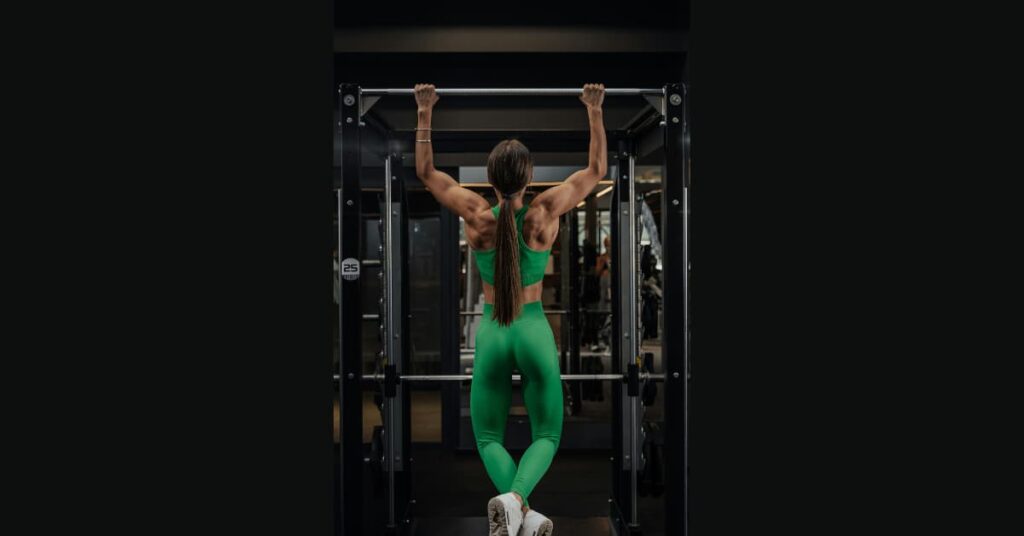
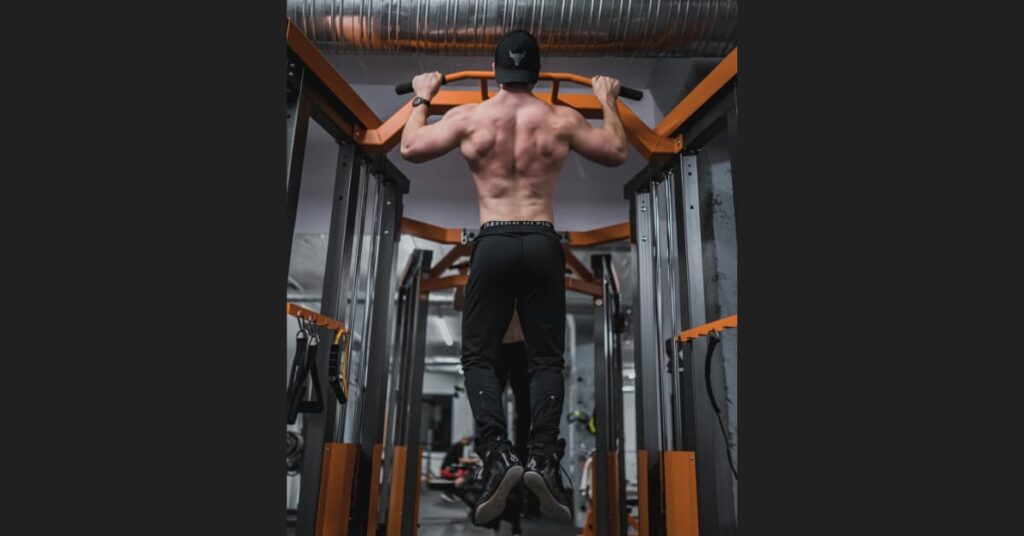
The pull ups is a classic exercise that strengthens the upper body by lifting one’s own body weight. To do it, you reach up and hold a steady bar with the palms facing away from you. Then pull the body straight up until your chin is above the bar. It sounds easy, but it is a tough move that forces your arms and back to work together to lift you off the ground.
This movement is famous for building wide back muscles and strong arms without the need for heavy weights or machines. It even supports improving the grip strength because you have to hold onto the bar tightly to stay up. Because it utilizes so many muscles at once, the pull ups is one of the best ways to get fit and fix your posture, especially if you are used to slouching.
Pull Up Instructions
- Using a pronated grip, hold the pull bar with a hold slightly wider than your shoulder width.
- Take a deep breath, squeeze the glutes, and brace the abs. Depress the shoulder blades & then drive or move the elbows straight down onto the floor while activating or energizing the lats.
- Pull the chin towards the bar until the lats are fully contracted, then gradually lower yourself back to the start position and repeat for the given number of repetitions.
Pull Ups benefits
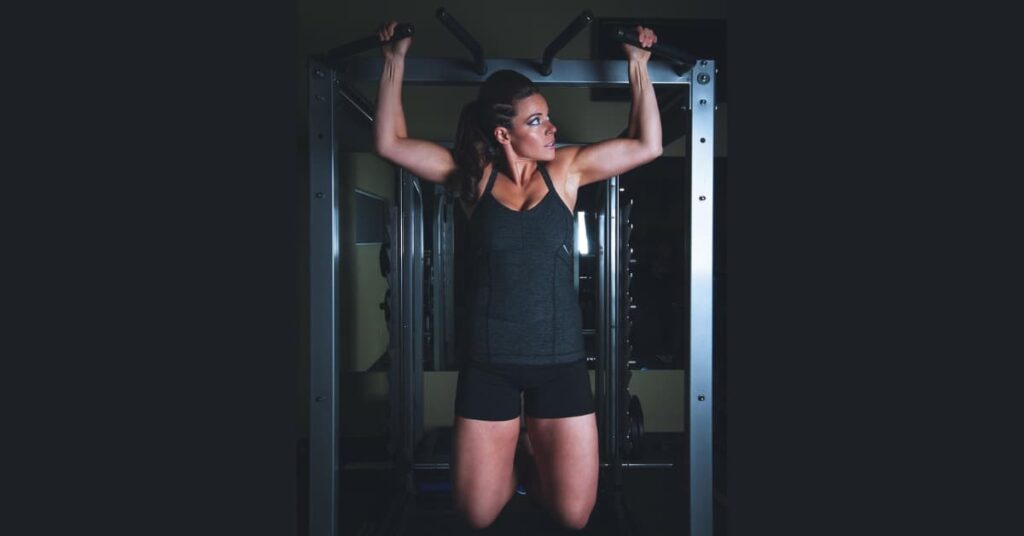
Here are 12 distinct benefits of doing pull ups, covering muscle growth, health, and usefulness:
1. Builds the “V-Taper” Physique
Pull ups are the king of back exercises or training. They especially widen the latissimus dorsi (lats), making the coveted athletic V-shape where the back is broad at the top and narrow at the waist.
2. Strengthens Biceps & Forearms
Unlike numerous back exercises that isolate muscles, pull ups heavily recruit the biceps and forearms. It leads to bigger, stronger arms without endless curls.
3. Develops Crushing Grip Strength
Your hands must support your entire body weight. It develops a powerful grip, which is helpful for daily tasks (like carrying groceries) and essential for other gym lifts, such as deadlifts.
4. Corrects Poor Posture
Pull ups strengthen the rear deltoids and rhomboids (the muscles between the shoulder blades). It pulls the shoulders back, fighting the “hunchback” posture caused by sitting at desks or looking at phones.
5. Strengthens the Core
To keep the body stable and stop swinging, the abdominal muscles must contract tightly. It acts as an intense “anti-extension” core workout, training the abs to protect your lower back.
6. Decompresses the Spine
Gravity compresses our spine all day. Hanging from the bar stretches the back & allows the spinal discs to decompress, which may relieve back stiffness and minor pain.
7. Enhances Shoulder Health
When performed with control, the movement or activity strengthens the stabilizer muscles around the shoulder blade (scapula). It also improves the joint’s stability and range of motion.
8. Boosts Functional Strength
Pull ups mimic natural movements, such as climbing a wall or pulling your self up from a ledge. It is “functional” strength that is useful in real-world emergencies or outdoor activities.
9. Increases Calorie Burn
Because it is a compound exercise or movement that engages multiple large muscle groups at once, pull ups demand a lot of energy. It burns more calories per minute than isolation exercises like tricep extensions.
10. Improves Upper Body Bone Density
Like all resistance training, the stress placed on your bones (arms & shoulder girdle) stimulates them to become denser and stronger, lowering the risk of osteoporosis later in life.
11. Offers Great Versatility
You can easily change the exercise’s focus by adjusting the grip. A wide grip targets the outer lats, while a narrow grip or chin-up (palms facing you) hits the biceps harder.
12. Honest Test of Fitness
Pull-ups rely on your strength-to-weight ratio. They are an honest indicator of your overall fitness level; you cannot “cheat” the weight because the weight is you.
Pull Ups variation
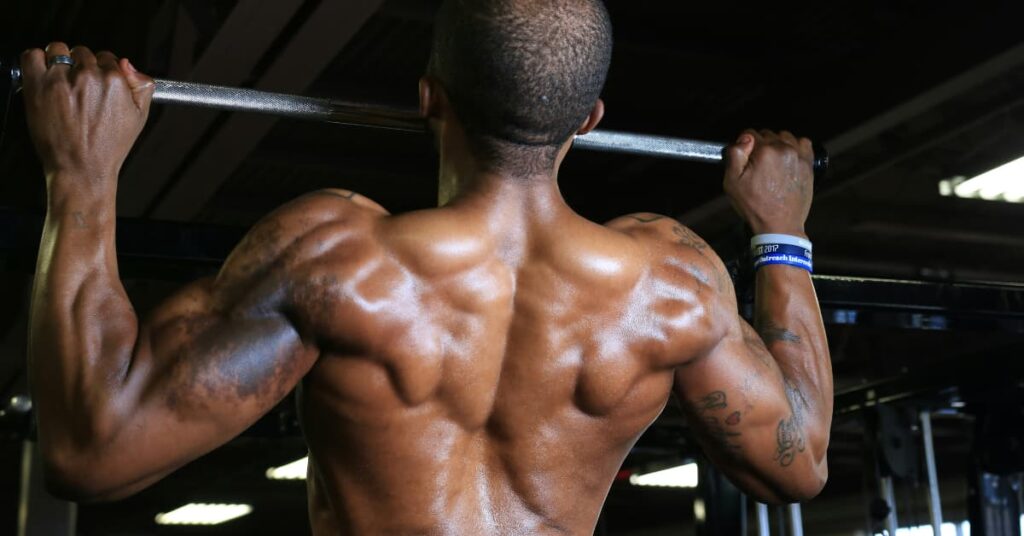
Here are the most common pull-up variations, ranging from more straightforward to harder, along with the exact muscles they target:
1. Beginner Variations (To Build Strength)
- Chin-Up: You hold the bar with your palms facing you. It is usually more comfortable than a regular pull-up because the biceps assist in lifting your body. It is excellent for building big arms.
- Negative Pull-Up: You jump up to the top of the bar (chin over the bar) and then lower yourself very slowly. It builds the strength needed to do a real pull-up.
- Dead Hang: You hang from the bar with straight arms for as long as you can. It builds the grip strength you need to hold onto the bar.
2. Intermediate Variations (To Target Muscles)
- Wide-Grip Pull-Up: You hold the bar wider than shoulder-width apart. It concentrates less on the arms and more on the lats (outer back), helping you build a wide “V-taper” back.
- Close-Grip Pull-Up: You place your hands close together (touching or almost touching). It works your lower lats and center back, and also uses more arm strength.
- Neutral Grip Pull-Up: You hold the handles facing each other (palms facing inward). It is the safest grip for the shoulders and is a perfect balance between arm and back work.
3. Advanced Variations (For Power)
- L-Sit Pull-Up: You hold your legs straight out in front of you (like the letter “L”) while pulling up. It works your abs and core incredibly hard while you exercise your back.
- Weighted Pull-Up: Once bodyweight becomes too easy, you wear a belt or weighted vest to make it harder. It builds maximum muscle and raw strength.
- Archer Pull-Up: You pull your body to one side while keeping the other arm straight (like drawing a bow and arrow). It trains you for doing a one-arm pull-up later.
Pull Ups: precautions and common mistakes
Here are the most important precautions and common mistakes to help you perform pull-ups safely and effectively.
Precautions (Before You Start)
- Warm Up Your Shoulders
- Never jump onto the bar with “cold” muscles. Do arm circles and shoulder shrugs for 2–3 minutes to get blood flowing to your rotator cuffs (shoulder joints).
- Check Your Equipment
- Ensure the bar is stable and can support your weight. If you are using a doorway bar, make sure it is securely tightened so it doesn’t slip while you are hanging.
- Listen to Your Elbows
- If you feel sharp pain on the inside of your elbow, stop immediately. It usually means you are doing too much too soon or gripping too hard. Rest and switch to a neutral grip (palms facing each other) to relieve pressure.
- Don’t Do Too Many, Too Soon
- Pull-ups are intense. If you are a beginner, do not try to do them every day. Your tendons need 48 hours to recover. Aim for 2–3 sessions per week.
Common Mistakes (What to Avoid)
1. Kipping (Swinging Your Body)
- The Mistake: Kicking your legs or swinging your body to gain momentum to get up.
- The Fix: Keep your body tight and still. Your legs should be straight or crossed, and your core should be flexed. Momentum cheats your muscles out of the workout.
2. Performing Half Reps
- The Mistake: Not lowering yourself all the way down or not pulling your chin all the way above the bar.
- The Fix: Start every rep from a “dead hang” (arms fully straight) and pull until your chin clears the bar. Doing one complete rep is better than five half reps.
3. Shrugging Your Shoulders
- The Mistake: Letting your shoulders hunch up toward your ears as you pull. It puts stress on your neck and traps instead of your back.
- The Fix: Keep your shoulders down and back (imagine trying to put your shoulder blades into your back pockets) throughout the entire movement.
4. The “Goose Neck.”
- The Mistake: Reaching your chin forward and craning your neck to get over the bar.
- The Fix: Keep your head neutral (looking straight ahead). Pull your chest to the bar rather than reaching with your chin.
5. Flaring Your Elbows
- The Mistake: Pointing your elbows straight out to the sides. It puts your shoulder joints in a vulnerable position.
- The Fix: Drive your elbows down toward the floor and slightly forward, not out to the sides.
Conclusion
The pull-up is a simple yet powerful exercise that helps you lift your own body weight to build strength. To do it, you hang from a sturdy bar with the palms facing away from you & pull your self up until the chin goes over the bar. This movement primarily strengthens your back and arm muscles while also improving your grip and posture. It is one of the best ways to get a stronger upper body without needing any complex gym equipment.