Table of Contents
Introduction
The human reproductive system is actually one of the most remarkable parts of our biology, mostly because it’s the only system in the body that isn’t focused on our own individual survival, but rather on the survival of the next generation. It’s a complicated network of organs, hormones, and specialized cells that work in perfect balance to make life possible. From the production of microscopic cells to the incredible process of bringing a new individual into the world, it’s a system that combines sheer biological efficiency with a bit of a miracle. Understanding how it all works beyond the clinical terms helps us appreciate the physical journey each of us took to get here.
The human reproductive system is, without a doubt, one of the most complex and fascinating aspects of our biology. While other organ systems, like the respiratory or digestive systems, are designed to keep you alive, the reproductive system has a distinct mission: providing the survival of the species. It is the biological machinery that permits us to pass on our DNA, our traits, and our legacy to the next generation.
Despite its prominence, many individuals find the topic awkward or overly clinical. In this direction, we’re going to break it down into simple, human terms. We will examine how these systems work, the differences between male & female anatomy, and the incredible process by which life actually begins.
1. The Core Purpose of Reproductive System: Why Do We Have This System?
At its most superficial level, the reproductive system exists to create gametes (sex cells). In biological spans, the goal is for a male gamete (sperm) to meet a female gamete (egg or ovum) to make a single cell that eventually grows into a human being.
Nevertheless, it’s not just about the “end product.” This system is also responsible for making the hormones that make us who we are. These hormones, especially testosterone, estrogen, and progesterone, drive puberty, influence our moods, strengthen our bones, and regulate our overall health.
2. The Male Reproductive System: Production and Delivery
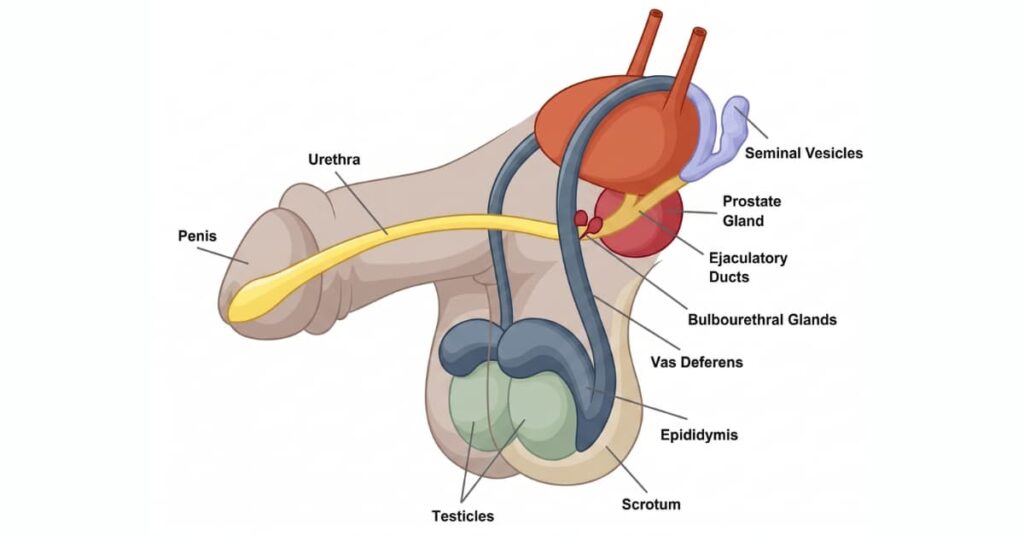
The male reproductive system is mainly external, and its primary job is straightforward: to produce sperm & deliver them to the female reproductive tract.
Key Components of the Male Anatomy
- The Testes (Testicles): These are two oval-shaped glands housed in the scrotum. Believe in them as the “factory.” They produce billions of sperm cells and the hormone testosterone.
- The Scrotum: The pouch of skin which holds the testes. It acts like a climate-control system. For sperm to stay healthy, they need to be kept at a little cooler temperature than the rest of the body.
- The Epididymis: Once sperm are produced in the testes, they move to this spiral tube to mature. If the testes are the factory, the epididymis is the “finishing school” where sperm know how to swim.
- The Vas Deferens: This is a long, muscular tube which transports mature sperm to the urethra in preparation for ejaculation.
- Accessory Glands (Prostate and Seminal Vesicles): Sperm can’t travel alone; they need a fluid medium. These glands add fluids that nourish the sperm and save them from the acidic environment of the female reproductive tract. This mixture is what we call semen.
- The Penis: This is the external organ used for both urination and the delivery of semen during intercourse.
- Getty Images
How It Works in Practice
Picture a relay race. The “baton” is the genetic material. The testes produce the runner (sperm), the epididymis trains the runner, and the vas deferens delivers the track. When the moment comes, the accessory glands provide the “energy drink” (semen) to help the runner finish the race.
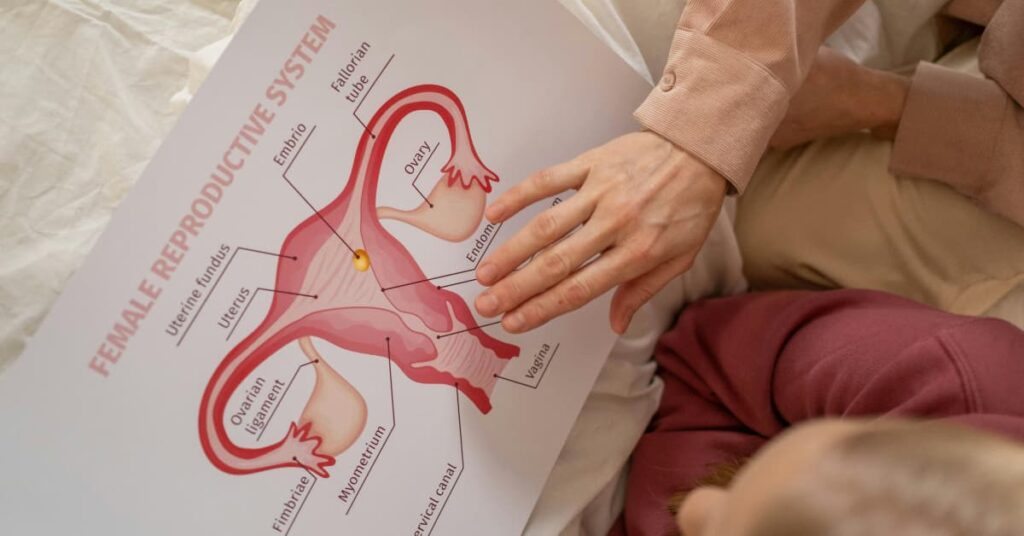
3. The Female Reproductive System: Hosting and Nurturing
The female reproductive system is particularly complex because it doesn’t just provide genetic material; it also provides the environment for a new life to grow for nine months.
Key Components of the Female Anatomy
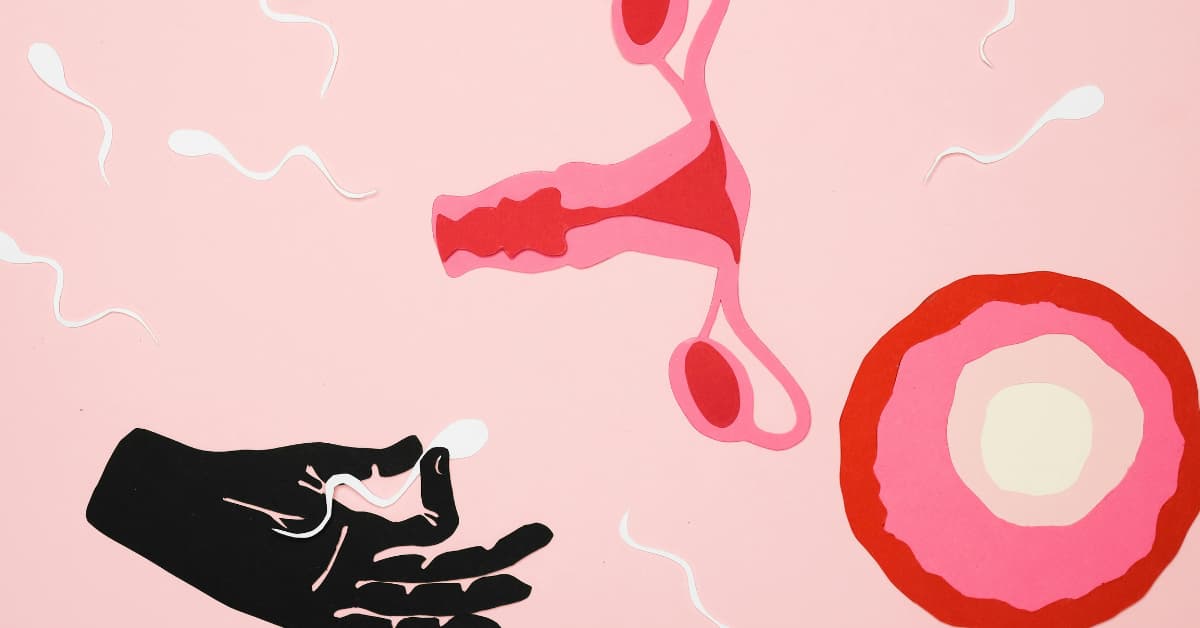
- The Ovaries: These are the female version of testes. They produce eggs (ova) and hormones, such as estrogen and progesterone. Unlike males, who produce sperm throughout their lives, womens are born with all the egg they will ever have.
- The Fallopian Tubes: These are narrow tunnels that connect the ovaries to the uterus. It is where the magic occurs. Fertilization usually occurs right here in the tube.
- The Uterus (Womb): This is a hollow, pear-shaped organ with thick muscular walls. If an egg is fertilized, it implants itself into the lining of the uterus and grows into a fetus.
- The Cervix: The lower part of the uterus that extends into the vagina. It acts as a gatekeeper, growing (dilating) during child-birth to allow the baby to pass through.
- The Vagina: Also understood as the birth canal, this is the muscular tube leading from the external genitals to the cervix.
- Getty Images
The Menstrual Cycle is a part of the Reproductive System: A Monthly Preparation
Every month, the female body undergoes a rigorous preparation process.
- The Follicular Phase: Hormones tell the ovaries to prepare an egg.
- Ovulation: The egg is releases from the ovary into the Fallopian tube. It is the “window of opportunity” for pregnancy.
- The Luteal Phase: The uterus thickens its lining (the endometrium), becoming soft and nutrient-rich, just in case a fertilized egg arrives.
- Menstruation: If no pregnancy happens, the body realizes the “nest” isn’t needed. The uterine lining breaks down & leaves the body; this is a period.
4. The Miracle of Fertilization and Conception
So, how does an individual actually begin? It’s a numbers game and a race against time.
The Journey of the Sperm
When semen is released, millions of sperm begin a treacherous journey. They must swim through the cervix, across the entire length of the uterus, and into the Fallopian tubes. Multiple die along the way due to the acidic environment or sheer exhaustion.
The Meeting
If a sperm cell manages to meet an egg in the Fallopian tube, it should penetrate the egg’s tough outer shell. The moment one sperm breaks through, the egg instantly changes its chemical coating to lock out all other sperm.
Example: Think of it like a high-security vault. Once the first “key” (sperm) enters, the vault door slams shut, and the locks are changed so no one else can get in.
The Zygote
The DNA from the father (23 chromosomes) joins the DNA from the mother (23 chromosomes). It creates a zygote, a single cell with a unique genetic blueprint for a new human being. This cell will begin to divide rapidly as it travels down to the uterus to implant.

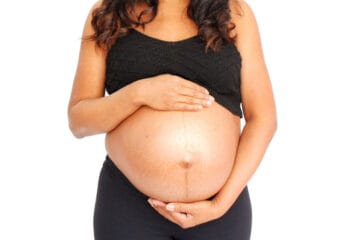
5. Pregnancy: Nine Months of Transformation
Once the fertilized egg (now called a blastocyst) attaches to the uterine wall, the body shifts into “growth mode.”
The Trimesters
- First Trimester (Weeks 1–12): This is the most crucial period for development. The heart starts beating, and the foundations for the brain, spinal cord, and organs are laid.
- Second Trimester (Weeks 13–26): Often dubbed the “honeymoon phase” of pregnancy. The baby grows very quickly, and the mother can usually start feeling the baby’s movements (quickening).
- Third Trimester (Weeks 27–Birth): The baby gains weight rapidly, lungs mature, and the body prepares for the intense physical process of labor.
The Role of the Placenta
The placenta is a temporary organ that grows inside the uterus during pregnancy. It acts as a life-support system, delivering oxygen & nutrients to the baby or infant while removing waste products from the baby’s blood. It’s the ultimate biological “filter.”
6. Puberty is the part Reproductive System: The System Wakes Up
No discussion of the reproductive system is complete without mentioning puberty. It is the stage of life when the reproductive organs become functional.
In Boys
- Testosterone surges: This leads to a deeper voice, facial hair, and muscle growth.
- Sperm production begins: The body begins its lifelong process of creating gametes.
- Growth spurts: The bones lengthen rapidly.
In Girls
- Estrogen increases: This shows breast development and the widening of the hips (to prepare for future childbirth).
- The Menstrual Cycle starts: This marks the beginning of the “reproductive years.”
- Body fat redistribution: The body naturally stores more fat to ensure there is enough energy for potential pregnancies.
7. Common Myths and Misconceptions
To truly comprehend this system, we need to clear up some common “playground” misinformation.
- Myth 1: Pregnancy can’t happen the “first time.” It is false. If ovulation is occurring and sperm are present, pregnancy is biologically possible regardless of how many times someone has had intercourse.
- Myth 2: The “Pull-out” method is effective. While it’s better than nothing, it’s highly unreliable. Pre-ejaculatory fluid can contain live sperm, and human error is very high.
- Myth 3: You can’t get pregnant during your period. While unlikely, it is possible. Sperm can live inside the female body for up to five days. If a woman has a short cycle and ovulates shortly after her period ends, those sperm might still be waiting.
8. Keeping the System Healthy
Just as the heart and lungs do, the reproductive system requires care.
- Regular Checkups: For women, this includes Pap smears and pelvic exams. For men, it includes testicular self-exams and prostate checks later in life.
- Hygiene: Proper hygiene helps prevent infections such as UTIs and yeast infections.
- Safe Practices: Using protection (like condoms) is the only way to prevent Sexual Transmitted Infections (STIs), which can sometimes lead to long-term fertility issues if left untreated.
- Healthy Lifestyle: Smoking, excessive alcohol, & high stress may significantly lower sperm count in men and disrupt ovulation in women.
9. The Emotional and Social Aspect
Unlike the circulatory system, which works completely behind the scenes, the reproductive system is deeply tied to our emotions, relationships, and identities. Judgments about when (or if) to have children are some of the most significant choices a human can make.
Comprehending the “plumbing” and the “biology” is just one part of the puzzle. The other part is recognizing that this system is a powerful force in human connection. It’s okay to have questions, and it’s okay to feel overwhelmed by how complex it all is.
Conclusion
The human reproductive system is an extraordinary feat of biological engineering. From the microscopic race of the sperm to the nine-month marathon of pregnancy, every step is a finely tuned process developed to create life.
By comprehending how these organs work, the ovaries, the testes, the uterus, and the hormones that drive them, we gain a deeper appreciation for our own bodies. Whether the goal is to begin a family, stay healthy, or satisfy curiosity, knowing the “how” and “why” of reproduction is a fundamental part of the human experience.
Nature has spent millions of years perfecting this system. It is resilient, adaptive, and, quite frankly, a miracle. Take care of it, respect its power, and never stop being surprised by what the human body is capable of achieving.