Table of Contents
Introduction
The sumo squats is a versatile lower-body compound exercise or movement named for the wide, stable outlook sumo wrestlers traditionally take. Unlike a standard squat, this variation demands placing the feet significantly wider than shoulder-width apart with the toes turned outward at around a 45-degree angle. This special positioning shifts the mechanical load to place a greater emphasis on the adductors (inner thighs) and glutes while still engaging the quadriceps, hamstrings, & calves. Because the broader base allows for a more upright torso & places less or little stress on the lower back and ankles, it is often preferred by those seeking to enhance hip mobility or those with limited ankle flexibility.
Sumo Squats
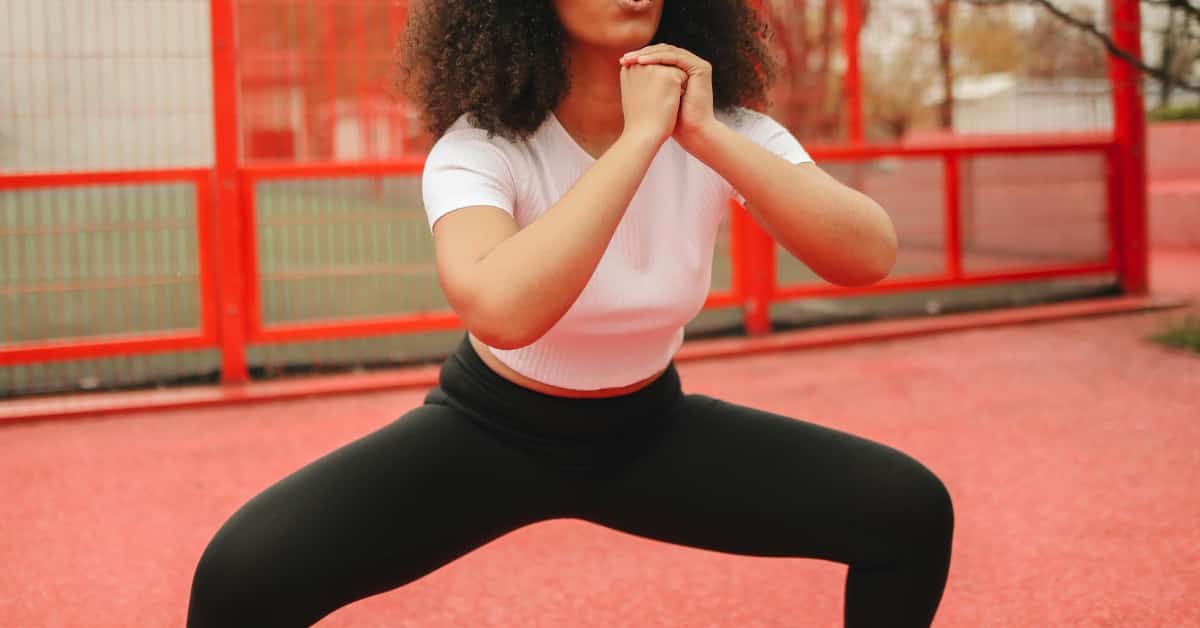
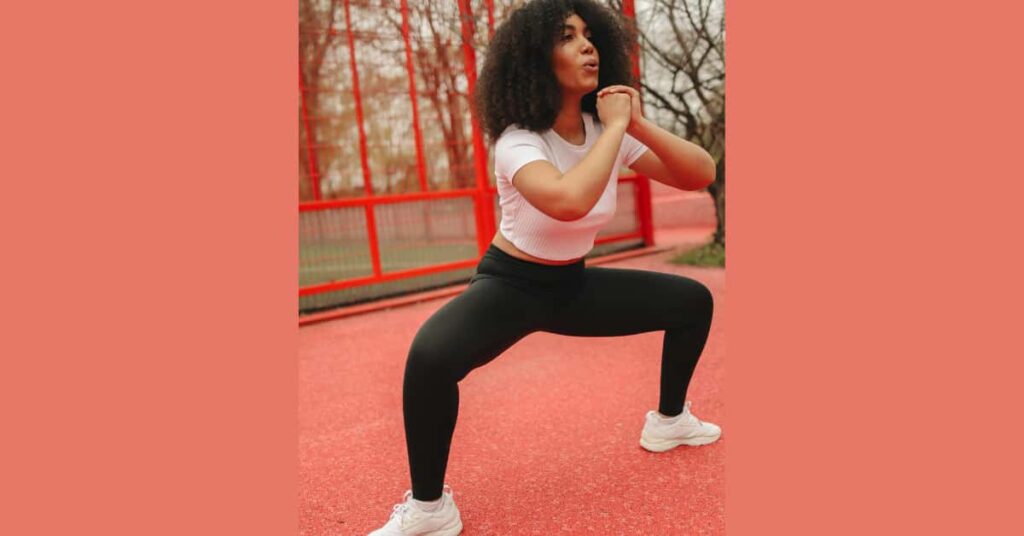
The sumo squat is a simple leg exercise, or you can say movement, where you stand with your feet very wide apart, just like a sumo wrestler or grappler getting ready for a match. By pointing the toes outward and stepping out wide, you help the inner thighs and glutes (your butt) do more of the work. It is often easier than a regular squat because the wide stance keeps you balanced and keeps your back straight as you sit down and stand back up.
Sumo Squat Techniques and Form
Here are the easy keys to doing a perfect sumo squat:
- Wide Feet: Stand with the feet much wider than the shoulders.
- Toes Out: Point the toes outward at an angle.
- Chest Up: Keep the back straight & look straight ahead.
- Knees Out: Make sure the knees point the same way as the toes.
- Sit Deep: Lower the hips until the thighs are level with the floor.
- Heels Down: Keep the feet flat on the ground; don’t lift the heels.
- Squeeze: Squeeze the butt muscles as you stand back up.
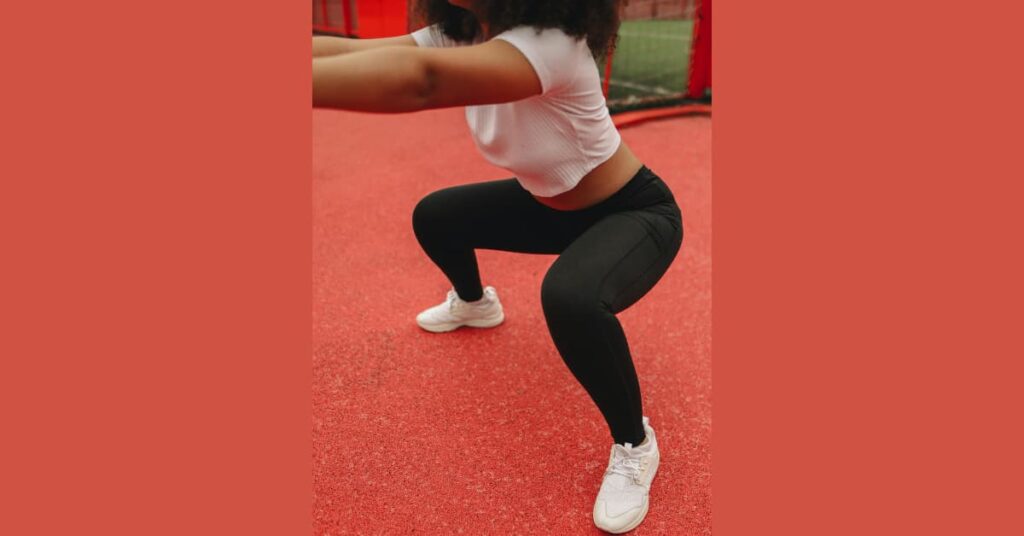
Sumo Squats target muscles
Sumo squats are a “compound” exercise, signifying they work several muscle groups at the same time. While they hit many of the same areas as a regular squat, their wide stance targets the inner thighs explicitly.
Primary Muscles (The Main Workers)
These are the muscles doing the heavy lifting during the movement:
- Adductors (Inner Thighs): This is the “star” of the sumo squat. The wide stance forces these muscles to stretch and contract more than almost any other leg exercise.
- Gluteus Maximus (Your Butt): The outward angle of the feet helps activate the glutes, shaping and strengthening the backside.
- Quadriceps (Front of Thighs): Like all squats, the “quads” work hard to help you stand back up.
Secondary Muscles (The Helpers)
These muscles assist the most excellent movers or help keep you steady:
- Hamstrings: The back of the thighs help control your movement as you lower.
- Calves: These help stabilize your ankles and push you back up to a standing position.
- Core (Abs and Lower Back): Because you have to stay very upright in a sumo stance, your stomach and back muscles must remain tight to keep you from tipping over.
- Hip Flexors: These help you stay stable and balanced throughout the wide range of motion.
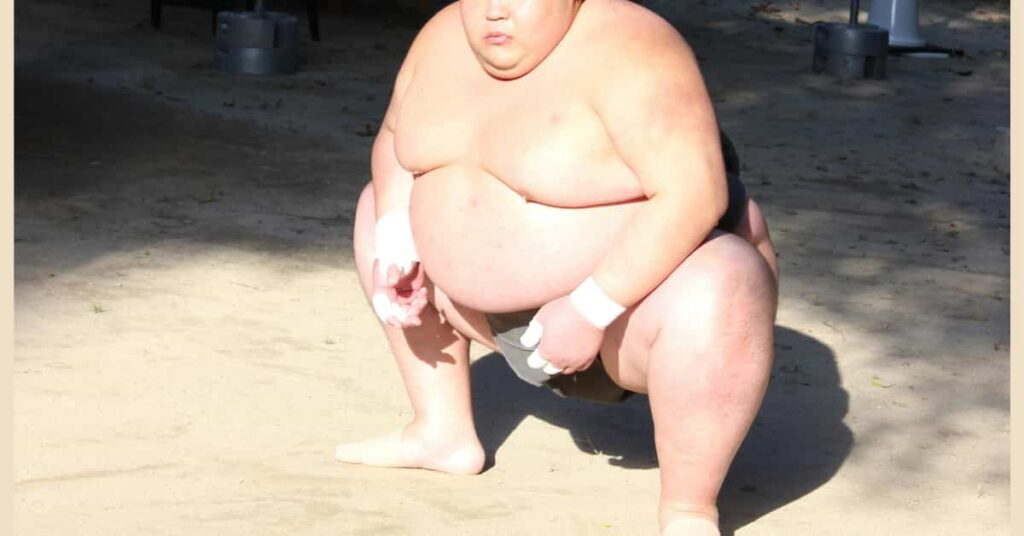
Sumo Squats Benefits
Sumo squats offer many excellent benefits for the body. Here are 11 key blessings explained in simple language:
- Stronger Inner Thighs: It is one of the best moves for the “adductors” (the muscles inside the legs), which regular squats often miss.
- Great Glute Building: The wide stance helps activate the butt muscles more effectively, shaping and strengthening them.
- Better Hip Flexibility: Stepping out wide stretches the hips, making them more flexible over time.
- Easier on the Lower Back: Because you stay more upright, it puts less stress on the spine than a traditional squat.
- Improved Balance: The broad “base” makes you feel more stable and helps you stay balanced during movement.
- Tones Your Calves: This variation engages the lower leg muscles more than a standard narrow squat.
- Core Strength: To remain upright, the stomach muscles (abs) have to work hard to keep you steady.
- Joint Friendly: For many people, this position feels more natural and puts less pressure on the knees.
- Pelvic Floor Support: It helps strengthen the muscles that support the internal organs and posture.
- Burns Calories: Because it engages many large muscle groups at once, it is a great way to burn calories and support weight loss.
- Do it Anywhere: You don’t need a gym or heavy equipment—it’s just as practical to use only your body weight at home.
Sumo squats with weight.
Adding weight to the sumo squats is a great way to challenge the muscles and see faster results. Here is how you can use different pieces of equipment to level up the workout:
Dumbbell Sumo Squats
The dumbbell sumo squat (often called a “Goblet” style) is the most famous way to add weight. You hold one end of a single dumbbell with both hands at chest level, holding it close to the body. It acts as a counterbalance, making it much easier to keep the chest up and the back straight. It is perfect for newbies who want to build strength while concentrating on proper form and a full range of motion.
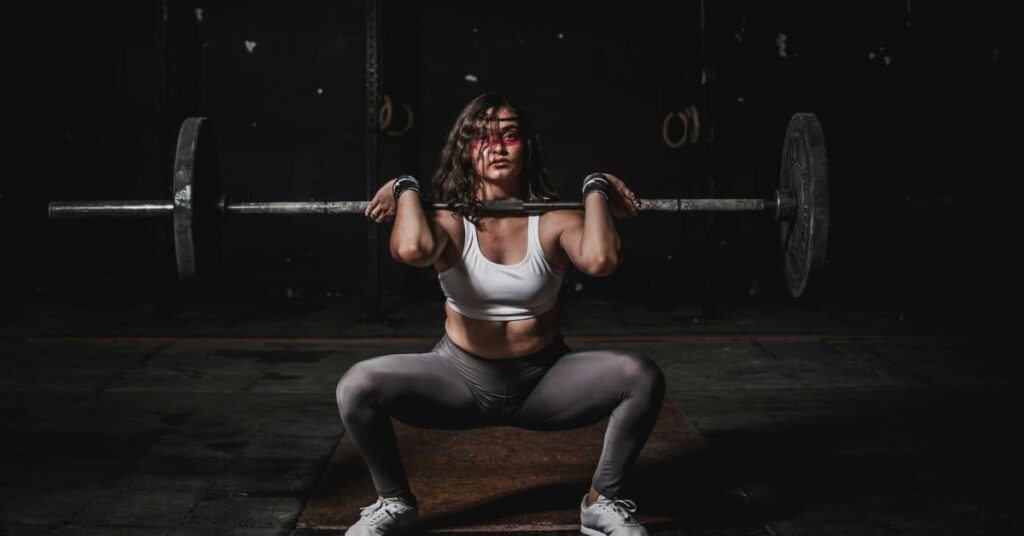
Barbell Sumo Squats
The barbell sumo squat is the best choice for those looking to lift heavy and build full lower-body power. You rest the bar across the upper back (the traps), which permits you to load especially more weight than you could hold in your hands. Because the weight is on the back, it needs strong core stability to stay upright. This performance is a favorite for athletes wanting to develop “explosive” strength in their glutes and quads.
Smith Machine Sumo Squats
Using a Smith machine provides a fixed, guided path for the weight, offering added safety and stability. Since the machine balances the bar for you, you can focus entirely on “feeling” the squeeze in the inner thighs and glutes without worrying about tipping over. It’s a fantastic option if you are training alone without a spotter, or if you want to experiment with placing the feet further forward to change which muscles you target.
Kettlebell Sumo Squats
The kettlebell sumo squat is very comparable to the dumbbell version, but often feels more natural because of the handle’s shape. You can hold the kettlebell by the handle and let it hang between the legs, which lowers your center of gravity and helps you sit deeper into the squat. This version is fantastic for improving hip mobility and grip strength, and it is very convenient for quick home workouts or high-repetition “burnout” sets.
Sumo Squat Variations
Changing the sumo squat routine keeps the muscles guessing and allows you to stay motivated. Here are four famous ways to mix things up, ranging from simple to high-energy:
1. Sumo Squat Pulses
Instead of standing all the way up, you stay at the bottom of the squat and move up and down just a few inches. This is named a pulse. It keeps the muscles under constant tension, creating a “burn” that helps build endurance and strength in the inner thighs very quickly.
2. Sumo Squat with Heel Raises
This variation adds a balance challenge. Once you are at the bottom of the squat, lift your heels off the floor so you are standing on your toes, then lower them back down before standing up. This extra step targets the calves and helps strengthen your ankles.
3. Sumo Jump Squats (Plyometrics)
If you want to burn more calories and improve your power, try adding a jump. You lower into a regular sumo squat, but instead of standing up slowly, you explosively jump into the air. Land softly with fold or bent knees to protect the joints. It is excellent for raising the heart rate.
4. Cossack Squats (Side-to-Side)
It is an advanced version where you shift all the weight to one leg while keeping the other leg absolutely straight out to the side. It looks like a very deep side-lunge. It is perfect for “unilateral” strength (working one leg at a time) and is one of the best moves for extreme hip flexibility.
Sumo Squat vs Goblet Squats
The main difference here is stance versus weight. A “goblet” squat actually refers to how you hold the weight—at the chest like a cup. Most goblet squats use a standard shoulder-width stance, which emphasizes the front of the thighs (quads) and the core. A sumo squat guides to the wide foot position. While you can connect them (a “Sumo Goblet Squat”), the standard goblet squat is usually better for building overall leg strength and teaching beginners how to keep their back straight, while the sumo version is ideal for targeting the inner thighs.
Sumo Squat vs normal squats
The most significant distinction between a sumo squat and a normal (standard) squat is foot width and toe angle. In a standard squat, the feet are roughly shoulder-width apart, and the toes point forward, which works the quads (front of the legs) the hardest. In a sumo squat, the feet are much broader, and the toes point out, shifting the work away from the quads and toward the inner thighs and glutes. Many individuals find sumo squats more comfortable because the wide stance helps maintain balance and puts less pressure on the lower back and ankles than a regular squat does.
Precautions and common errors
Common Errors (The “Don’ts”)
- Knees Caving In: This is the most common mistake. If your knees point inward while squatting, it puts a lot of pressure on the knee joints. Always keep the knees pointing the same way as the toes.
- Lifting Your Heels: If the heels come off the floor, you lose the balance and shift too much weight onto the toes and knees. Keep the feet “glued” to the ground.
- Rounding Your Back: Some individuals hunch over or look down, which can strain the lower back. Keep the chest up and look straight ahead.
- Half-Squatting: Not going low enough (stopping before the thighs are parallel to the floor) means the muscles aren’t getting the whole workout.
- Leaning Too Far Forward: If the chest drops toward the floor, you are relying more on the back than your legs. Try to sit “down” rather than “over.”
Crucial Precautions
- Check Your Knees: This is the most significant rule. As you lower your hips, keep your knees pointing in the same direction as your toes. If the knees “cave in” toward the middle, it puts dangerous stress on the joints.
- Keep Heels Planted: Your weight should be in the heels and the middle of the feet. If the heels lift off the ground, you are leaning too far forward, which can hurt the knees and lower back.
- Straight Back: Imagine a string is pulling the chest up toward the ceiling. Never let the shoulders hunch or the back round, as this can lead to spine strain.
- Warm Up: Always spend 2–3 minutes doing light movements (like leg swings or walking) to “wake up” your hips before you start.
Conclusion
In conclusion, the sumo squat is a powerful, beginner-friendly exercise or movement that stands out for its ability to tone the inner thighs & glutes more effectively than a standard squat. By simply widening the stance and turning the toes out, you create a stable base that enhances balance, protects the lower back, & boosts hip flexibility. Whether you perform them with just the body weight at home or add weights like dumbbells and kettlebells for a greater challenge, staying consistent with proper form is the secret to seeing results.