Table of Contents
Introduction
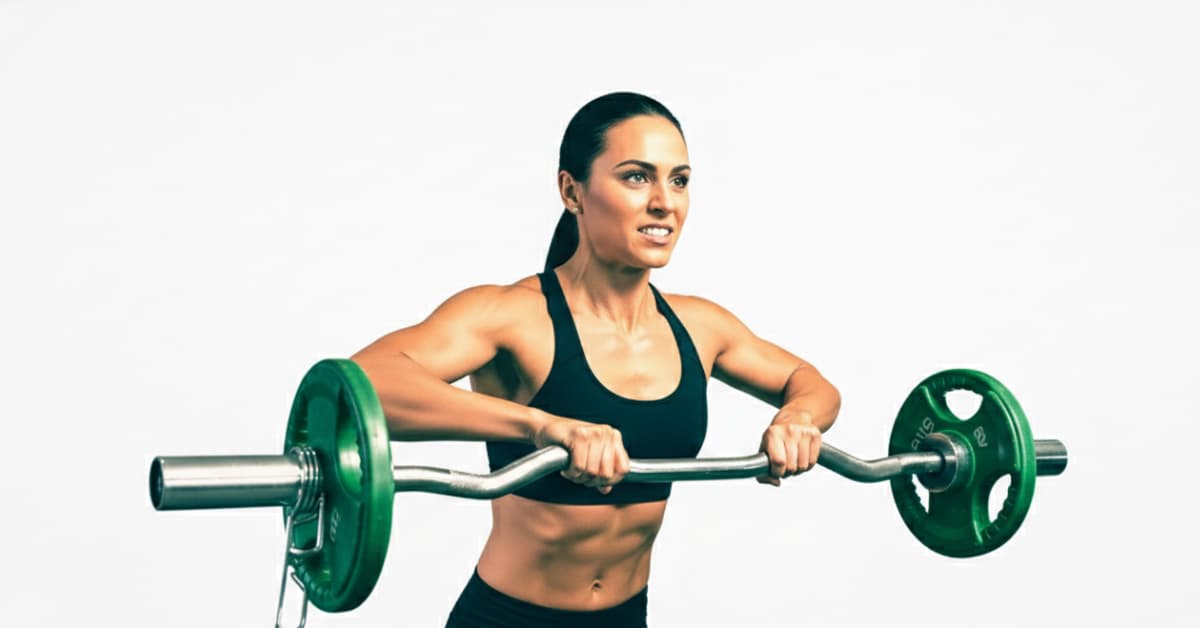
The Upright Rows is a compound pulling exercise primarily targeting the deltoids and upper trapezius, making it a popular choice for building shoulder width and upper back thickness. To perform the movement, a lifter holds a barbell, pair of dumbbells, or EZ-bar with a shoulder-width grip and pulls the weight vertically toward the chin, keeping the resistance close to the body and the elbows flared outward.
While it is highly effective for isolating the lateral deltoid, it needs strict form & a controlled range of motion to avoid shoulder impingement or excessive internal rotation. When executed correctly, it serves as a foundational movement or activity for developing a well-rounded upper body silhouette & improving pulling strength.
Upright Rows
In terms of biomechanics, the Upright Row is unique because it combines shoulder abduction with internal rotation. This pairing provides an intense stimulus to the lateral deltoid, the muscle responsible for that “capped” shoulder look. Beyond aesthetics, the movement engages the biceps brachii, brachialis, & forearms to stabilize the weight as it rises, while the rhomboids and levator scapulae assist in the upward rotation of the shoulder blades.
However, because the narrow-grip variation can sometimes limit shoulder joint space, many trainers recommend a slightly wider-than-shoulder-width grip to reduce the risk of strain while still maximizing muscle fiber recruitment. Incorporating this exercise into a routine can bridge the gap between heavy pressing movements and isolation raises, contributing to overall functional pulling power.
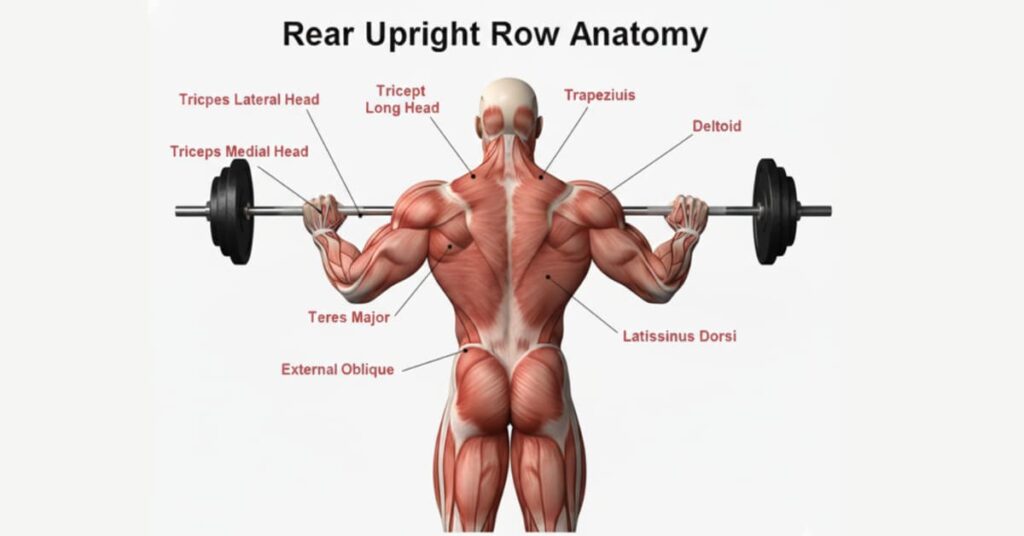
Upright Rows target muscles
The Upright Row is a highly effective multi-joint movement that targets the upper body, particularly the shoulders and upper back. It is often used to create “width” in the physique and improve vertical pulling strength.
Primary Target Muscles
- Lateral Deltoids (Side Shoulders): This is the primary muscle being worked. The upward pull specifically targets the shoulder head, helping create a broader look.
- Upper Trapezius: These muscles (located on the sides of your neck) are responsible for elevating the shoulder blades as you pull weight toward the chin.
Secondary Muscles (Synergists)
- Anterior Deltoids (Front Shoulders): Assist the lateral head during the initial lift.
- Biceps Brachii & Brachialis: These muscles in your arms work to flex the elbow and control the weight as it moves vertically.
- Brachioradialis: A key muscle in the forearm that assists with the grip and elbow flexion.
- Rear Deltoids & Rhomboids: These help stabilize the shoulder blades and provide support during the peak of the contraction.
Upright Rows Form and Instructions
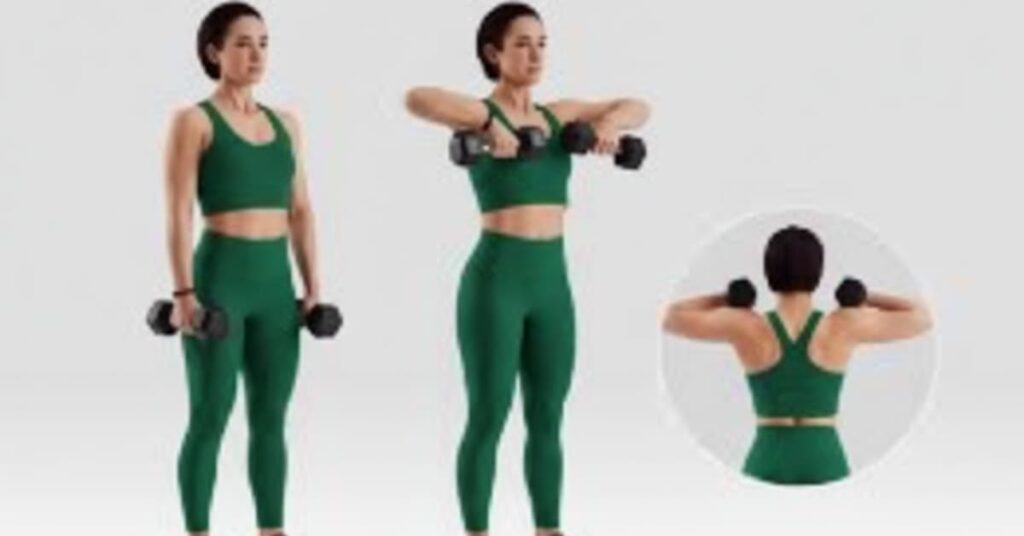
Proper form is critical for the Upright Row to ensure you are hitting the deltoids effectively while protecting the subacromial space in your shoulders.
Grip: Grab bar with an overhand grip, little wider than shoulder-width.
Stance: Stand tall with feet shoulder-width apart and a tight core.
The Lift: Pull the weight straight up, keeping it very close to your body.
Elbows: Lead with your elbows; they should always remain higher than your wrists.
Height: Stop when your elbows reach shoulder level (do not pull to the chin).
Control: Lower the weight slowly—don’t let it drop or use momentum.
Shoulder Safety: Avoid a narrow grip to prevent joint pinching (impingement).
Upright Rows Benefits
Upright rows are a powerhouse movement for building the upper body, specifically targeting the “cap” of the shoulders and the upper back.
Here are seven key benefits of incorporating upright rows into your routine:
1. Intense Medial Deltoid Isolation
While many shoulder exercises focus on the front delts, the upright row is one of the most effective movements for the medial (side) deltoids. It is the muscle responsible for creating “shoulder width,” and that sought-after V-taper look.
2. Upper Trapezius Development
As you pull the weight toward your chin, your trapezius muscles (traps) are heavily engaged. It helps build thickness in the upper back and neck area, which is essential for a powerful-looking physique and stable posture.
3. Improved Pulling Strength
The upright row is a “vertical pull” that complements other movements, such as pull-ups or rows. Strengthening the muscles involved in this motion can carry over to improved performance in Olympic lifts (such as the clean and high pull) and to general functional strength.
4. Bicep and Brachialis Engagement
While it is primarily a shoulder and back move, your biceps, brachialis, and brachioradialis (forearms) act as secondary movers. It makes it an efficient “compound” accessory lift that adds volume to your arms without needing extra isolation sets.
5. Better Shoulder Stability
When performed with proper form & a manageable weight, upright rows strengthen the rotator cuff and the stabilizing muscles around the scapula (shoulder blades). It creates a more resilient shoulder joint.
6. Versatility with Equipment
One of the best things about upright rows is that they can be performed with almost any equipment:
- Barbell/EZ-Bar: Great for heavy loading.
- Dumbbells: allow more natural range of motion and reduce wrist strain.
- Kettlebells: Excellent for a deep, fluid pull.
- Cables: Provide constant tension throughout the entire exercise or movement.
7. Postural Benefits
By strengthening the upper traps and the posterior chain, upright rows help counteract the “slumped” shoulder position often caused by sitting at desks or looking at phones. It encourages an upright, open-chested posture.
Upright Rows variations
To keep your shoulder workouts effective and prevent joint strain, varying the upright row is a smart move. Different tools change the angle of resistance and the freedom of your wrists.
Here are the most common and effective variations:
1. Dumbbell Upright Row
It is often considered the safest variation. Because your hands aren’t fixed to a bar, your wrists and elbows can move through a more natural path.
- Why it’s great: It allows you to pull the weights slightly out to the sides, which can reduce the risk of shoulder impingement.
2. EZ-Bar Upright Row
The zig-zag shape of the EZ-bar is much kinder to the wrists than a straight barbell.
- Why it’s great: The angled grip puts your hands in a semi-supinated position, which reduces the “torque” on your wrists as you reach the top of the movement.
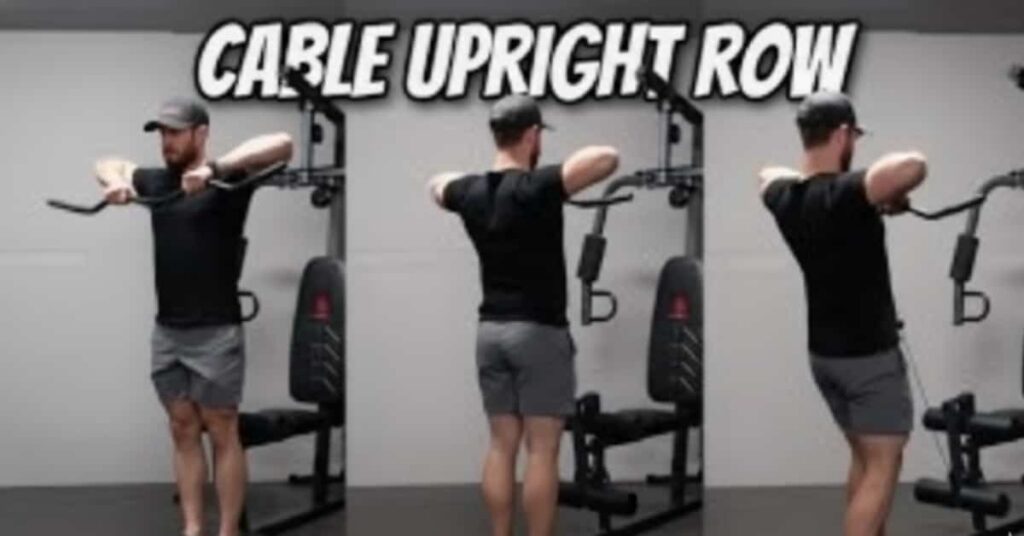
3. Cable Upright Row
Using a cable machine provides constant tension throughout the entire lift. Unlike free weights, which drop in tension at the bottom, the cable keeps the muscles engaged in the whole range of motion.
- Why it’s great: You can use a straight bar, EZ-bar attachment, or even a rope to allow for a wider pull at the top.
4. Wide-Grip Upright Row
Instead of holding the bar with hands close together, take a grip slightly wider than shoulder-width.
- Why it’s excellent: Research suggests a wider grip increases medial deltoid and trapezius activity while decreasing the risk of shoulder “pinching.” It also limits how high you can pull, keeping it within a safer range for the joint.
5. Kettlebell Upright Row
The weight distribution of a kettlebell changes the center of gravity compared to a dumbbell.
- Why it’s excellent: Using a single kettlebell encourages a very tight, vertical path. Using two kettlebells offers the same freedom of movement as dumbbells, but with a different grip feel.
6. Single-Arm Upright Row
Performing the move one arm at a time allows you to focus entirely on the muscle contraction and correct any strength imbalances between your left and right sides.
- Why it’s great: It forces your core to engage more to keep your torso from leaning toward the weighted side.
Upright rows are an alternative.
Upright rows are a fantastic alternative for several foundational lifts, especially if you are looking to shift the focus or work around specific equipment availability.
Depending on what you are looking to replace, here is how they stack up as an alternative:
1. Alternative to Lateral Raises
While lateral raises are the gold standard for isolating the side delts, many people find it hard to “feel” the muscle working.
- Why it works: The upright row allows you to use significantly heavier weights than a lateral raise.
- The Benefit: It provides a different type of mechanical tension that can kickstart growth if you’ve hit a plateau with light dumbbells.
2. Alternative to Barbell Shrugs
If you find shrugs boring or feel they have a minimal range of motion, upright rows are a more “athletic” way to hit the traps.
- Why it works: Upright rows work the traps over a greater range of motion because you pull the weight vertically rather than just moving the shoulders up and down.
- The Benefit: It builds a more fluid “tie-in” between your shoulders and your upper back.
3. Alternative to Face Pulls
If you don’t have access to a cable machine for face pulls, a high-pulling upright row (especially with a wide grip) hits many of the same markers.
- Why it works: A wide-grip upright row targets the rear delts and rhomboids similarly to a face pull.
- The Benefit: It keeps your posterior chain strong using basic free weights.
4. Alternative to High Pulls (Olympic Lifting)
For those who want the explosive benefits of Olympic lifting without the technical complexity of a Power Clean, the High Pull (an explosive upright row) is the perfect middle ground.
- Why it works: It mimics the “pull” phase of the clean.
- The Benefit: You get the power and trap development without risking injury to your wrists on the “catch.”
Upright Rows: Precautions and Common Errors
Precautions
- Stop at Chest Level: Never pull the weight higher than your mid-chest to avoid shoulder “pinching” (impingement).
- Warm Up First: Always perform light rotations or face pulls to activate the rotator cuff before lifting heavy.
- Check for Pain: If you feel a sharp “catch” or pinch in the joint, stop immediately and switch to dumbbells.
- Control the Weight: Utilize a weight you can handle for 10 to 12 reps; “ego-lifting” here is a high risk for injury.
- Maintain Posture: Keep the chest up, core tight, & back straight throughout the set.
Common Errors
- Pulling Too High: Bringing the bar to the chin or nose puts the shoulder in a dangerous, rotated position.
- Wrist Over Elbow: Letting the wrists rise higher than the elbows (lead with the elbows instead).
- Narrow Grip: Using a very close grip (hands touching) increases joint stress; use a shoulder-width grip.
- Bar Drift: Letting the weight swing away from your body instead of skimming your torso.
- Using Momentum: Using a “leg-bounce” or rocking the torso to get the weight up.
- Dropping the Weight: Letting the bar fall fast on the way down; always control the lowering phase.
Conclusion
In summary, the upright row is a powerful compound exercise that effectively bridges the gap between shoulder and back training, explicitly targeting the medial deltoids and upper trapezius to build a wider, more defined physique. While it offers significant advantages for pulling strength & posture, its effectiveness is entirely dependent on strict adherence to proper mechanics.
By prioritizing a shoulder-width grip, leading the movement or activity with the elbows, and limiting the range of motion to chest height, you can maximize muscle hypertrophy while avoiding common risks like shoulder impingement. Ultimately, whether performed with a barbell, dumbbells, or cables, the upright row remains a versatile staple for anyone looking to build a resilient and well-proportioned upper body.