
Table of Contents
Introduction
Vitamins are the unsung heroes of human biology, acting as the essential organic compounds that jumpstart thousands of chemical reactions inside us every single second. Unlike macronutrients like proteins or carbohydrates, which provide bulk and fuel, vitamins serve as high-precision tools that repair cellular damage, convert food into usable energy, & fortify the immune system against constant environmental threats.
Since our bodies are unable to manufacture most of these nutrients on their own, we rely on a diverse “internal pharmacy” sourced from the foods we eat to maintain everything from the clarity of our vision to the strength of our bones. Understanding how these micronutrients work isn’t just about avoiding deficiency; it’s about unlocking a level of vitality that allows every system in the body to thrive rather than just survive.
What Exactly Are Vitamins?
Think of the body like a high-end construction site. You have the big materials: protein (bricks), fats (insulation), and carbs (fuel). But without the architects and supervisors, the bricks won’t be laid straight, and the fuel won’t reach the machines.
Vitamins are organic compounds which humans need in small quantities to stay healthy. Most vitamins cannot be made by the body, which signifies we have to “import” them through the food we eat. They help with everything from healing a scraped knee to helping the brain focus during a long meeting.
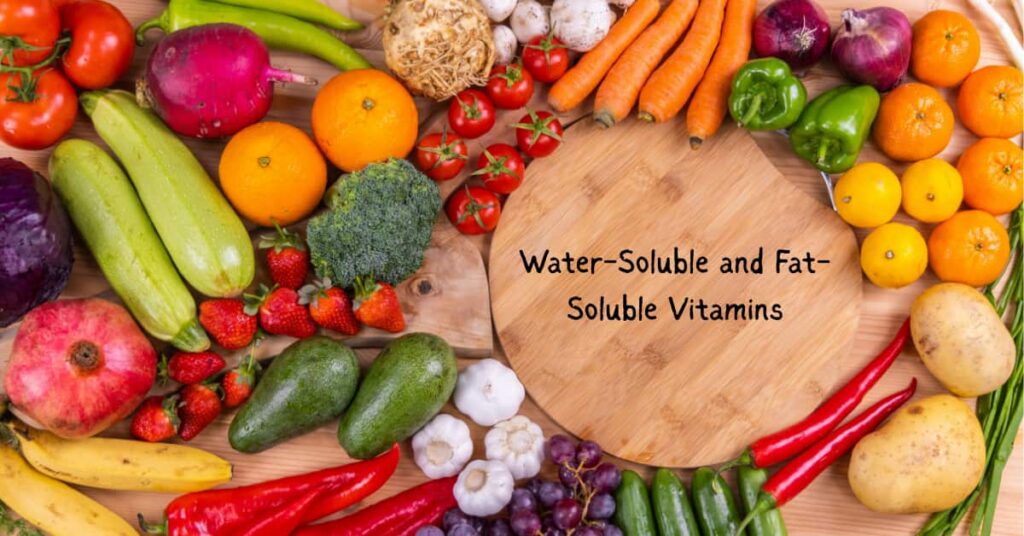
The Two Main “Families” of Vitamins
Vitamins are generally classified into two groups based on how the body processes them:
- Water-Soluble Vitamins: These contain Vitamin C and all the B vitamins. They dissolve in water and travel through the bloodstream. The body doesn’t store these very well; anything “extra” usually ends up in the urine. Because of this, you need a fresh supply of them almost every day.
- Fat-Soluble Vitamins: These are Vitamins A, D, E, and K. They like to hang out in the body’s fat cells and liver. Since the body can store these for later use, you don’t necessarily need them every single day, but having too many (usually through excessive supplements) can sometimes be an issue.
Advantages of vitamins
Here are the core benefits of maintaining a vitamin-rich lifestyle:
1. Sustained Energy Levels (No More Mid-Day Slumps)
If you reach for a third cup of coffee at 2:00 PM, you might be looking for B vitamins.
- The Benefit: Vitamins like B12 and B6 are necessary for converting the carbohydrates and fats you eat into ATP (adenosine triphosphate), that is the actual fuel the cells use.
- Real-World Example: Athletes often monitor their B-vitamin intake because even a small deficiency can lead to decreased exercise performance and quicker exhaustion.
2. Sharper Brain Function and “Anti-Fog” Support
The brain is hungry organ which consumes a massive amount of nutrients from the body.
- The Benefit: Vitamins like B9 (Folate) and B12 help protect the myelin sheath, the protective coating around the nerves. It ensures that signals in the brain travel fast and clearly.
- Cognitive Longevity: Research indicates that maintaining healthy levels of Vitamin E and Vitamin C (both antioxidants) can help protect brain cells from age-related decline, keeping the memory sharper as you get older.
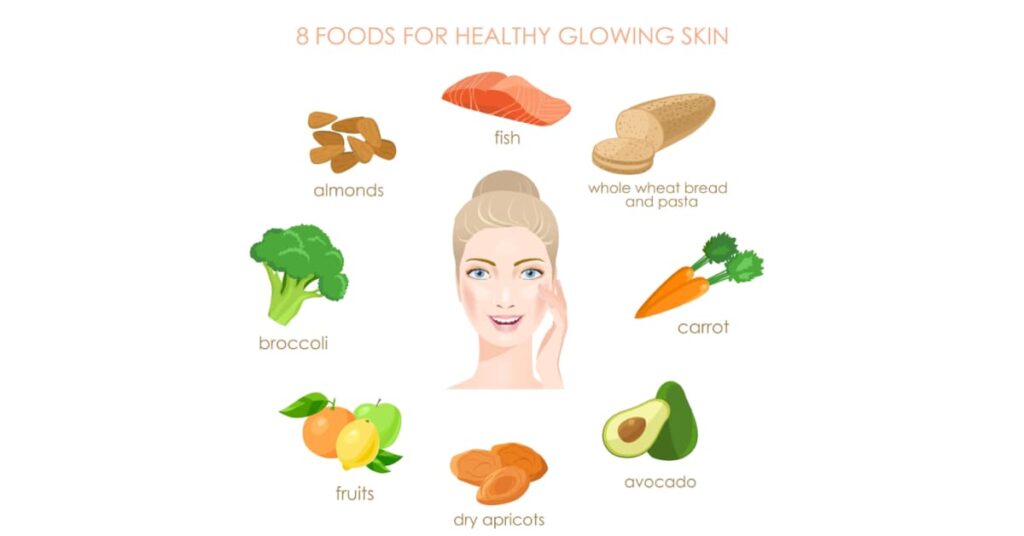
3. Radiant Skin and Stronger Hair
Beauty isn’t just skin deep; it starts at the cellular level.
- The Benefit: Vitamin C is a key player in collagen production. Without it, your skin loses its elasticity, leading to wrinkles and sagging.
- The Benefit: Biotin (B7) is often called the “beauty vitamin” because it strengthens the keratin structure in the hair and nails, helping prevent breakage and promote growth.
4. Stronger Bones and Better Posture
While Calcium gets all credit for bone health, it’s a bit of a “lonely” mineral without its vitamin partners.
- The Benefit: Vitamin D acts like a key which unlocks the door for Calcium to enter the bloodstream. Without it, you could drink all the milk in the world, and the bones wouldn’t get much stronger.
- The Benefit: Vitamin K2 then acts as the “traffic cop,” directing that Calcium into the bones and teeth instead of letting it settle in the arteries where it doesn’t belong.
5. Stress Management and Mood Regulation
Believe it or not, what you eat affects how you feel emotionally.
- The Benefit: Vitamin D receptors are distributed throughout the brain, including regions related to the development of depression. Many individuals find that “Seasonal Affective Disorder” (SAD) in the winter is partially linked to low Vitamin D.
- The Benefit: Vitamin B6 is involved in the production or manufacture of neurotransmitters such as serotonin and dopamine, which regulate your mood and send “feel-good” signals.
Summary Table: Benefits at a Glance
| Goal | Key Vitamins | Benefit |
| Glowy Skin | Vitamin C, E, A | Boosts collagen and protects against sun damage. |
| Physical Energy | B-Complex (B12, B6) | Converts food into usable cellular energy. |
| Immune Defense | Vitamin C, D, A | Helps white blood cells identify and kill germs. |
| Mental Clarity | Vitamin B12, B9, E | Protects nerve endings and improves memory. |
| Heart Health | Vitamin K, B3 (Niacin) | Regulates blood clotting and cholesterol levels. |
The Master List: Types of Vitamins and What They Do
Each vitamin has a specific “job description.” Here is a breakdown of the heavy hitters you need to know about.
1. Vitamin A (The Visionary)
Vitamin A is famous for eye health, but it’s also a powerhouse for the skin and immune system.
- Where to find it: Carrots, sweet potatoes, spinach, and beef liver.
- Example: If you’ve ever caught yourself struggling to see while driving at night, it could be a sign that the Vitamin A levels are low.
2. The B-Complex (The Energy Crew)
There are eight B vitamins (B1, B2, B3, B5, B6, B7, B9, B12). They work together to convert the food into energy.
- Where to find them: Whole grains, eggs, beans, and leafy greens.
- Specific Note: Vitamin B12 is nearly exclusively found in animal products, so vegetarians & vegans often need to keep a close eye on this one.
3. Vitamin C (The Bodyguard)
Most individuals reach for orange juice when they feel a cold coming on. Vitamin C helps build collagen (which keeps the skin bouncy) and supports the immune cells’ fight against invaders.
- Where to find it: Citrus fruits, strawberries, bell peppers, and broccoli.
4. Vitamin D (The Sunshine Vitamin)
It is unique because your body can actually make it when your skin is exposed to sunlight. It’s important for bone health because it helps you absorb calcium.
- Where to find it: Fatty fish (salmon), fortified milk, and of course, sunlight.
5. Vitamin E (The Shield)
Vitamin E is an antioxidant. In simple words, it protects the cells from “rusting” (oxidative stress) caused by pollution and UV rays.
- Where to find it: Almonds, sunflower seeds, and vegetable oils.
6. Vitamin K (The Clotter)
If you cut your finger while chopping veggies, Vitamin K helps your blood clot and stop the bleeding.
- Where to find it: Kale, spinach, and Brussels sprouts.
Vitamins for Different Stages of Life
A 5-year-old boy has very different nutritional needs than a 65-year-old woman. Let’s look at how these needs shift.
Vitamins for Children
Kids are basically “building” a human being in real-time. They need:
- Vitamin D & Calcium: For those growing bones.
- Vitamin A: For healthy growth and development.
- The B Vitamins: To fuel their high-energy play.
Vitamins for Women
Women’s bodies experience significant hormonal shifts, indicating certain vitamins become priorities:
- Iron & Vitamin B12: Particularly important for energy levels during menstruation.
- Folic Acid (B9): Crucial for women of childbearing age to prevent congenital disabilities.
- Vitamin D & Calcium: As women age, the risk of osteoporosis (brittle bones) increases, making these two vital for bone density.
Vitamins for Men
Men often focus on heart health and muscle maintenance:
- Vitamin D: Linked to healthy testosterone levels and muscle function.
- Vitamin C & E: Support heart health and prostate health.
- Magnesium (a mineral, but often paired with vitamins): Assists with muscle recovery after a workout and better sleep.
Boosting the Immune System: The “Big Three”
These three are the most scientifically backed for immune support:
- Vitamin C: Enlarges or increases the production of white blood cells.
- Vitamin D: Many individuals are deficient in the winter, which is exactly when viruses spread the most. Keeping D levels up is key to a responsive immune system.
- Zinc: (Technically a mineral, but vital) It helps prevent viruses from replicating in the body.
The Food List: Your Grocery Store Cheat Sheet
If you want to get your vitamins from “farm to table” rather than “bottle to mouth,” here is a quick reference table for the next shopping trip.
| Category | Best Food Sources |
| Orange/Yellow Produce | Carrots, Oranges, Sweet Potatoes (High in Vitamin A & C) |
| Dark Leafy Greens | Spinach, Kale, Swiss Chard (High in Vitamin K, A, and Folate) |
| Proteins | Salmon, Eggs, Beef, Chicken (High in B-Vitamins and D) |
| Nuts & Seeds | Almonds, Walnuts, Chia Seeds (High in Vitamin E) |
| Dairy (or alternatives) | Milk, Yogurt, Fortified Soy Milk (High in Vitamin D and B12) |
Supplements: Are They Necessary?
It depends. For most healthy individuals, a balanced diet provides everything they need. However, there are “gaps” that supplements can fill:
- The Vegan/Vegetarian Gap: B12 is hard to get without meat.
- The Winter Gap: In northern climates, getting enough Vitamin D from sunlight is nearly impossible from October to March.
- The Life-Stage Gap: Pregnancy or elderly age often requires an extra boost.
A word of caution: More is not always better. The daily requirement of Vitamin A is toxic. Always talk to a doctor before starting a heavy supplement routine.
Common Signs of Vitamin Deficiency
The body is good at telling you when it’s missing something. Here are a few “signals” to watch out for:
- Brittle hair and nails: Might be a shortage of Biotin (B7).
- Mouth ulcers, or you can say cracks in the corners of the mouth, are often a sign of B-vitamin deficiency.
- Bleeding gums: Could be a lack of Vitamin C.
- Poor night vision: Often linked to Vitamin A.
- Unexplained fatigue: This is a big one; it could be Vitamin D, Iron, or B12.
Conclusion
At the end of the day, vitamins shouldn’t be stressful. You don’t need to track every microgram with mathematical precision. If you eat a “colorful” plate, meaning plenty of greens, reds, and oranges, you’re likely hitting most of the targets naturally.
Vitamins are the body’s support system. They help you stay sharp, keep the skin glowing, and ensure the bones stay strong enough to carry you through life.