Table of Contents
Introduction
Zinc (Zn) is often named the “quiet achiever” of the mineral world because, while the body only needs a tiny amount of it to survive, it plays a massive role in almost every internal system you possess. As an essential trace element, Zn serves as a biological spark plug for over 300 enzymes that govern everything from the strength of the immune system and the speed of wound healing to the very ability to taste and smell favorite foods.
Since our bodies don’t have a specialized storage system for this bluish-silver metal, we rely on a steady daily intake through diet or supplements to keep our cellular machinery running smoothly. Whether you’re looking to clear up your skin, dodge the seasonal flu, or maintain peak metabolic health, understanding how zinc works is the first step toward a more resilient body.
What Exactly is Zinc? (And What Color is It?)
Before we get into the health stuff, let’s look at the physical component itself. If you were to see pure Zn in a lab, its color is typically a bluish-silver or a dull grey. It’s a metal that is fairly brittle at room temperature but becomes malleable when heated.
In the context of the body, Zn isn’t just floating around as metal shards. It’s a crucial mineral you must get through the diet, as the body has no way to store it long-term. If you stop eating Zn today, the levels will start to drop relatively quickly.
The Big Benefits: Why the Body Craves Zinc
Why should you care about the zinc levels? Zn has advantages that touch almost every system in the human body. Here are the heavy hitters:
1. The Ultimate Immune Booster
It is what Zn is most famous for. Zn is essential for the development & function of immune cells. If you are deficient, the immune system essentially goes into “sleep mode,” making you more susceptible to viruses and bacteria.
- Example: Research suggests that taking Zn lozenges within 24 hours of the onset of cold symptoms can lessen the duration of the illness by up to 33%.
2. Wound Healing and Skin Health
Have you ever witnessed that many diaper rash creams or calamine lotions contain Zn? That’s because Zn plays a critical role in collagen synthesis and inflammatory response. It allows the skin to repair itself.
- Example: Individuals with chronic wounds or ulcers often have low Zn levels; once they supplement, their skin starts to knit back together much faster.
3. Sense of Taste and Smell
One of the weirdest symptoms of a Zn deficiency is a loss of taste or smell. One of the enzymes crucial for proper taste and smell is Zn-dependent.
- Example: If food begins tasting “metallic” or bland for no apparent reason, a doctor might check the Zn levels first.
4. Hormonal Balance and Fertility
Zinc is a key actor in hormone production. In men, testosterone levels and sperm quality are important. In women, it helps with egg health and the regulation of the menstrual cycle.

Getting Your Fill: The Best Zinc Food Sources
The most useful way to get any nutrient is through the plate. Zn is found in a variety of both animal and plant-based foods, though the body absorbs it more easily from animal sources.
Animal-Based Sources
- Oysters: The undisputed king of Zn. A single serving of oysters contains over 500% of the daily requirement.
- Red Meat: Beef and lamb are fantastic sources. A humdread-gram serving of raw ground beef provides about 44% of the daily value.
- Poultry: Chicken and turkey are good sources, specifically the dark meat.
Plant-Based Sources
- Legumes: Chickpeas, lentils, and beans all hold decent amounts of zinc.
- Note: Legumes also include phytates, which can slightly block absorption. Soaking or fermenting the beans helps “unlock” the Zn.
- Seeds: Pumpkin seeds (pepitas) and hemp seeds are Zn powerhouses for vegans.
- Nuts: Cashews and almonds are the best bet here.
| Food Item | Zinc Content (Approx) |
| Oysters (3 oz) | 74 mg |
| Beef Chuck Roast (3 oz) | 7 mg |
| Pumpkin Seeds (1 oz) | 2.2 mg |
| Cashews (1 oz) | 1.6 mg |
| Chickpeas (1/2 cup cooked) | 1.3 mg |
Understanding Zn Supplements: Tablets, Sulfates, and More
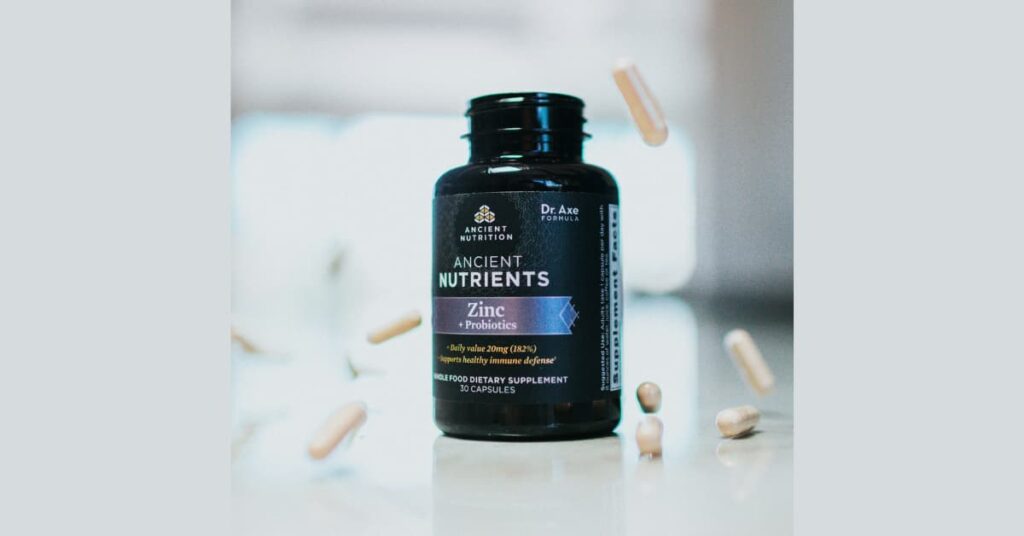
Occasionally, diet isn’t enough, especially if you have digestive issues like Crohn’s or if you follow a strict vegan diet. It is where Zn supplements come into play. But if you walk into a health store, the tags can be confusing. Let’s decode them.
1. Zinc Tablets and Lozenges
Zn tablets are usually swallowed whole for general maintenance. Zn lozenges, nevertheless, are meant to be dissolved in the mouth. These are specifically designed for when you feel a cold coming on, as the Zn ions can interact directly with the viruses in the throat.
2. Zinc Sulfate
Zn sulfate is one of the most familiar and cost-effective forms found in supplements. It is highly effective at preventing deficiency and is often used in medical settings to treat severe acne or promote wound healing.
- Tip: Zn sulfate can sometimes induce an upset stomach if taken on an empty stomach. It’s usually best to take it with a meal.
3. Zn Gluconate and Picolinate
If you have a sensitive stomach, look for Zn picolinate. Investigations suggest that the body absorbs this form better than others. Zn gluconate is the form most typically used in cold lozenges and nasal sprays because it’s generally well-tolerated.
Zinc Vitamins: Should You Take a Multi?
Many individuals get their Zn through Zn vitamins (multivitamins). This is a great way to ensure you aren’t overdoing it. While Zn is vital, more is not always better.
Taking massive doses of Zn for a long time can even interfere with the body’s ability to absorb copper. It can lead to a secondary copper deficiency, which causes its own set of neurological problems. A balanced multivitamin usually keeps the Zn-to-copper ratio in the right neighborhood.
How Much Zinc Do You Actually Need?
The suggested daily allowance (RDA) varies by age and sex. Here is a general breakdown:
- Men (19+ years): 11 mg per day
- Women (19+ years): 8 mg per day
- Pregnant Women: 11 mg per day
- Lactating Women: 12 mg per day
The “Tolerable Up Intake Level” is forty mg per day. Unless you are under a doctor’s supervision for a specific medical condition, you should generally stay under this 40mg limit to avoid side effects like nausea, dizziness, or headaches.
Who is at Risk for Zinc Deficiency?
While Zn deficiency isn’t particularly common in developed countries with diverse diets, certain groups are more at risk:
- Vegetarians and Vegans: Because plant-based Zn is harder to absorb, and multiple staples (like grains) contain phytates that bind to Zn.
- People with Digestive Issues: If you have Celiac disease or Ulcerative Colitis, the gut might struggle to pull Zn from the food.
- Alcoholics: Alcohol decreases the absorption of Zn & increases how much Zn is lost through urine.
- Pregnant/Nursing Women: The body’s demand for Zn skyrockets to help build the baby’s immune system and skeletal structure.
Signs You Might Be Low on Zn
How do you know if you need to reach for those Zn tablets? Watch out for these subtle cues from your body:
- Slow-healing wounds: That paper cut stays red and open for weeks.
- Frequent colds: You catch every bug that goes around the office.
- Thinning hair: Unexplained hair loss can periodically be linked to low Zn levels.
- Brain fog: Difficulty concentrating or a “fuzzy” feeling in the head.
- Skin issues: Sudden breakouts of acne or eczema-like rashes.
Common Questions About Zinc
Can I take zinc every day?
Yes, as long as you stay within the RDA. Most individuals don’t need a high-dose supplement unless they are fighting off an illness or have been diagnosed with a deficiency.
Can zinc help with acne?
Yes! Many dermatologists suggest zinc because it reduces inflammation and regulates oil production.
What happens if I take too much?
Acute zinc toxicity can cause “flu-like” symptoms: fever, cough, stomach pain, and fatigue. If you’ve taken too much, you’ll likely feel nauseous quite fast.
Conclusion
Zinc might be a “trace” mineral, but its impact on health is anything but small. Whether you are looking at Zn color in a textbook or choosing the right zinc sulfate supplement at the pharmacy, comprehending how this nutrient works is a game-changer for your well-being.
From keeping your skin clear and the immune system sharp to making sure the dinner actually tastes good, zinc is working behind the scenes 24/7. The best approach is always “food first”: load up on pumpkin seeds, lean meats, and legumes. But if you feel a scratchy throat coming on, don’t be afraid to reach for a zinc lozenge to give the body that extra edge.