

Table of Contents
Introduction
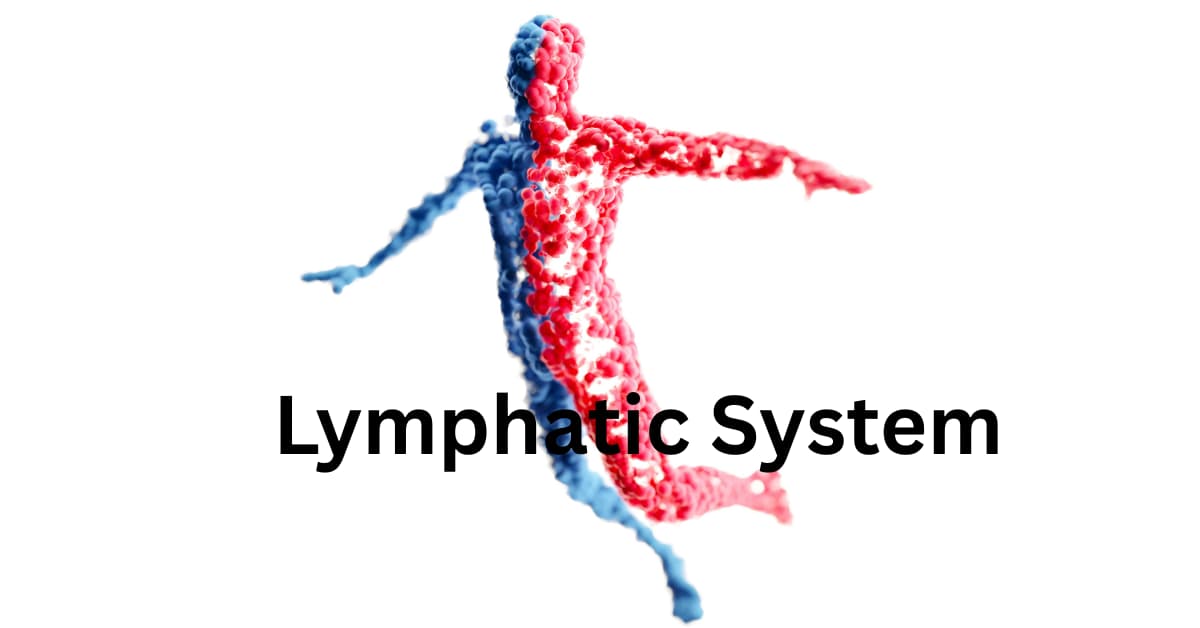
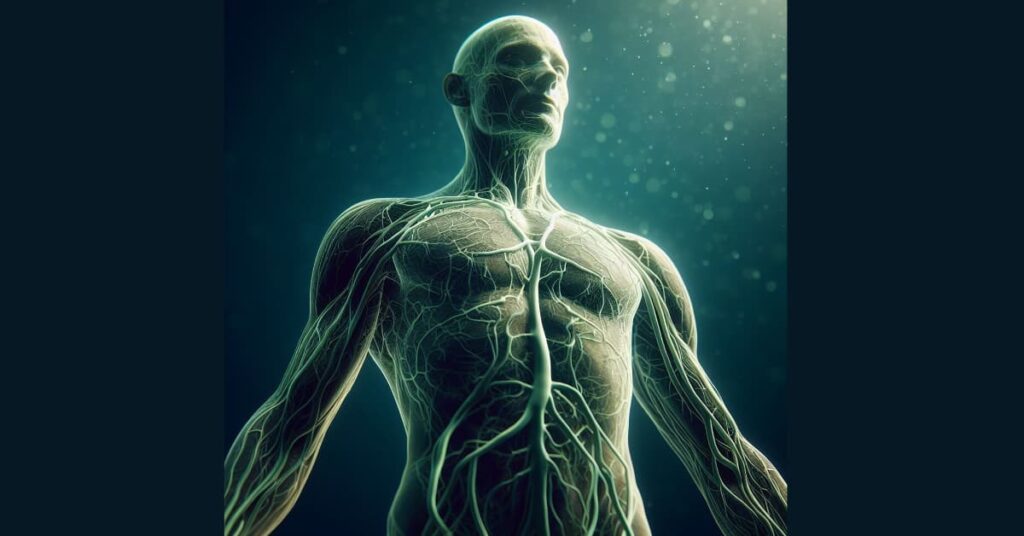
The lymphatic system is a complex and often overlooked network of tissues, vessels, & organs that serves as the body’s primary drainage and defense system. Often called a “secondary circulatory system,” it maintains fluid balance by collecting excess fluid, understood as lymph, from the body’s tissues and returning it to the bloodstream. Further, it serves as a critical component of the immune system, filtering out pathogens such as bacteria & viruses via technical checkpoints in lymph nodes. By simultaneously transporting fats from the digestive tract & providing a highway for white blood cells to travel, the lymphatic system ensures the body stays clean, balanced, & ready to fight off infection.
When we think about the “plumbing” of the human body, our minds almost instantly go to the cardiovascular system. We portray the heart pumping bright red blood through a wide network of arteries & veins. It’s flashy, it’s rhythmic, & it gets all the credit. But running alongside those blood vessels is a silent, often-overlooked hero: the lymphatic system.
If the circulatory system is the body’s delivery service, carrying oxygen & nutrients to the front door, the lymphatic system is a combination of the drainage system, the recycling center, & the elite security force. Without it, the body would swell up like a water balloon, and the immune system would be left without a home base.
In this focus, we’re going to pull back the curtain on this mysterious network. We’ll explore what it is, how it works, and why you should likely give it a little more “thank you” for keeping you upright and healthy.
What Exactly is the Lymphatic System?
At its core, the lymphatic system is a secondary circulatory system. Nevertheless, unlike the heart-driven blood loop, it doesn’t have a central pump. It relies on your body’s movement, breathing, walking, and muscle contractions to keep things flowing.
It consists of a clear-to-white fluid called lymph, a series of specialized vessels, and various organs, such as the spleen and tonsils.
The Three Main Jobs
To comprehend the “why” behind the system, we can break its commitments into three major categories:
- Fluid Balance: It collects excess fluid that leaks from the blood capillaries and returns it to the bloodstream.
- Fat Absorption: It plays a crucial role in digestion, especially by absorbing fats from the intestines and transporting them into the blood.
- Immune Defense: It acts as a training ground and transport hub for white blood cells (lymphocytes) that fight off infections and disease.
The “Parts” of the Machine: Anatomy 101
To comprehend how the system works, we need to look at the “hardware.” The lymphatic system isn’t just one thing; it’s a complex web of factors working in harmony.
1. Lymph (The Fluid)
Think of lymph as the “reclaimed water” of the body. It begins as plasma (the liquid part of the blood). When blood reaches the tiny capillaries, some of the fluid leaks out to bathe the cells in nutrients. Most of it gets sucked back into the veins, but about 10% to 15% stays behind. The leftover fluid is now named lymph. It contains proteins, minerals, fats, and, most importantly, damaged cells or invading bacteria that need to be dealt with.
2. Lymphatic Vessels
These are the pipes. They begin as tiny “capillaries” that are even thinner than a strand of hair. These capillaries have unique one-way valves that allow fluid to enter but prevent it from leaking back out. As these vessels move away from the tissues, they grow larger, eventually returning the cleaned lymph to the large veins near the heart.
3. Lymph Nodes
If you’ve ever felt “swollen glands” in the neck when you’re sick, you’ve felt the lymph nodes in action. These are small, bean-shaped structures that act as biological filters.
- The Sentry Post: As lymph flows through a node, the node “scans” the fluid for pathogens (viruses, bacteria, or cancer cells).
- The Response: If a threat is detected, the node delivers more white blood cells to fight the infection, which is why they get enlarged and tender when you have a cold.
4. The Spleen
The spleen is the biggest lymphatic organ, located on the left side of the abdomen just above the stomach. It acts as a blood filter. It recycles old red blood cells & stores a “reserve” of white blood cells and platelets in case of an emergency.
5. The Thymus
Found in the upper chest, the thymus is like a “university” for immune cells. It is where T-cells (a specific type of white blood cell) mature and learn to distinguish between “friendly” body cells and “enemy” invaders.
6. Tonsils and Adenoids
These are the body’s first line of defense. Found in the throat and nasal cavities, they sample the air you breathe and the food you eat, catching pathogens before they can reach deeper parts of the body.
How It Works: A Step-by-Step Journey
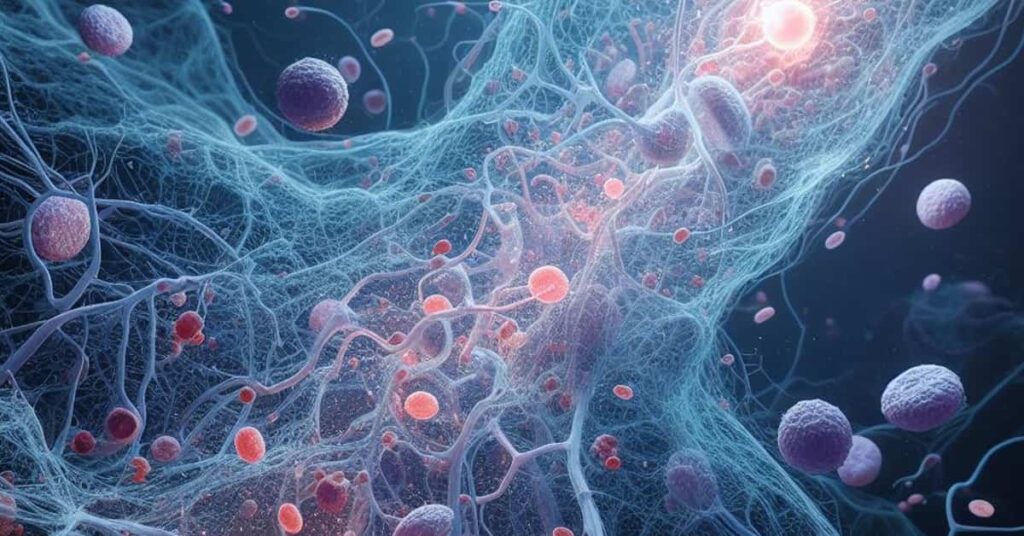
Let’s outline the path of a single drop of fluid to see the system in action.
Step 1: The Leakage
As the heart pumps blood, pressure forces some fluid out of the blood vessels into the spaces between the cells (the interstitial space). This fluid delivers “groceries” (nutrients) to the cells.
Step 2: The Pickup
Once the cells have taken what they need and dumped their “trash” (waste products), the lymphatic capillaries open their tiny flaps and soak up the remaining fluid.
Step 3: The Filtration
The fluid travels through the lymphatic vessels toward a lymph node. Suppose a security checkpoint at an airport. The lymph is the “luggage” being scanned. If the “security guards” (macrophages & lymphocytes) find something dangerous, they attack it right there.
Step 4: The Return
Once the fluid is “cleared” and cleaned, it resumes its journey upward. It eventually drains into the thoracic duct or the right lymphatic duct, which empties into the subclavian veins. Now, it’s part of the blood again, and the cycle repeats.
Why Should You Care? (Real-World Examples)
Comprehending the lymphatic system isn’t just for medical students; it has a huge impact on daily life.
Example A: The “Morning Puffy Face”
Have you ever woken up with a swollen face or puffy eyes after a night of salty food or lack of sleep? That’s often because the lymphatic drainage slowed down while you were horizontal and inactive. Once you get up and start moving (creating that “manual pump” through muscle contraction), the puffiness usually fades.
Example B: Fighting a Cold
When you get a sore throat, the submandibular lymph nodes (under the jaw) might swell. It is actually a good sign! It means your “security force” is actively multiplying and battling the virus. The swelling is the physical evidence of the body’s internal war.
Example C: Lymphedema
In some cases, such as after cancer surgery, where lymph nodes are removed, the “pipes” get blocked or disconnected. The fluid has nowhere to go, leading to massive swelling in the arms or legs known as lymphedema. It highlights just how vital the drainage function is; without it, our tissues would literally drown.
Keeping The Lymphatic System Healthy
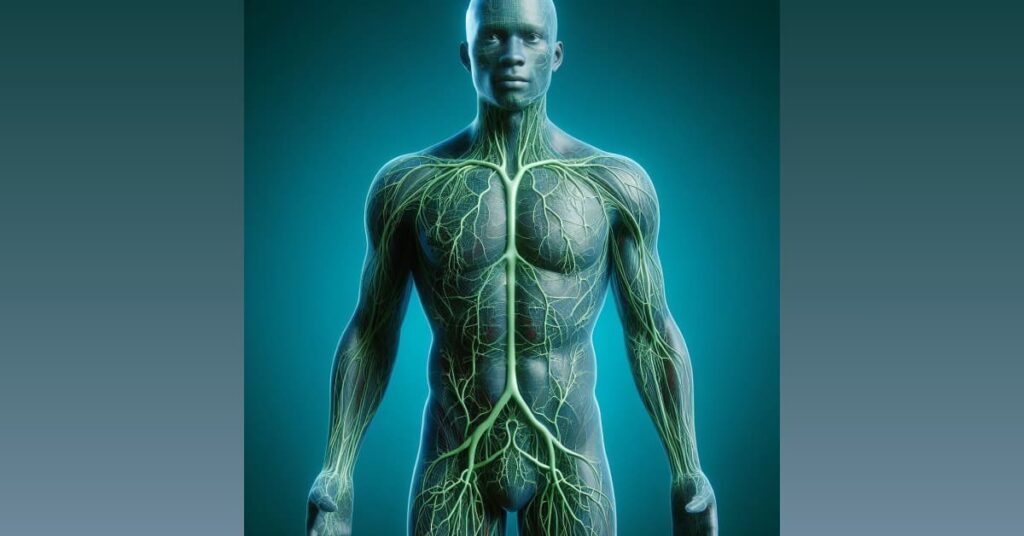
Since there is no “heart” to pump the lymph, you are the driver of this system. If you become stagnant, the lymph becomes stagnant. Here are a few ways to keep the “secret highway” moving smoothly:
- Stay Hydrated: Lymph is mostly water. If you are dehydrated, the fluid becomes thick and sluggish, making it harder for the body to filter out toxins.
- Move Your Body: Any movement helps, but “rebounding” (jumping on a small trampoline) is often cited as one of the best exercises for lymph flow because the change in gravity helps open and close those one-way valves.
- Deep Breathing: The movement or action of the diaphragm during deep, belly breathing acts as a physical pump for the thoracic duct, the main “highway” of the lymphatic system.
- Dry Brushing: Gently stroking the skin toward your heart with a natural-bristle brush can stimulate the tiny lymphatic capillaries just beneath the surface.
- Avoid Restrictive Clothing: Super-tight bras or leggings can actually “pinch” the shallow lymphatic vessels, slowing drainage.
Common Issues and Disorders
When things go wrong with the lymphatic system, the effects can range from annoying to life-threatening.
- Lymphadenopathy: the medical term or word for swollen lymph nodes. Usually, it’s just an infection, but persistent, painless swelling should always be checked by a doctor.
- Lymphoma: a kind of cancer that begins in the lymphatic system (specifically the lymphocytes).
- Tonsillitis: When your tonsils get overwhelmed by bacteria, they can become chronically inflamed, sometimes requiring surgical removal.
- Splenomegaly: An enlarged spleen, often caused by infections like mononucleosis (“mono”) or certain blood disorders.
The Connection Between Gut Health and Lymph
Many individuals are surprised to learn that a huge portion of the lymphatic system is located in the gut. These are named Peyer’s Patches.
Because the digestive tract is a major entry point for pathogens (through the food we eat), the lymphatic system keeps a heavy guard there. Also, specialized lymphatic vessels called lacteals sit in the lining of the small intestine. While most nutrients go into the blood, fats are too large to enter the blood capillaries. Instead, the lacteals scoop them up, turn them into a milky fluid called chyle, and transport them through the lymphatic system before they ever reach the liver or heart.
Conclusion
The lymphatic system is the greatest multitasker. It’s a waste management crew, a fluid balancer, a fat transporter, and an elite military unit all rolled into one. While it doesn’t beat in the chest or pulse in the wrist, it works every second of every day to keep the internal environment clean and protected.
By staying active, taking plenty of water, and understanding how this system functions, you’re not just supporting “drainage,” you’re supporting the body’s fundamental ability to heal and defend itself. So, the next time you feel a little swelling or take a deep breath during a workout, remember the silent highway working beneath the skin. It’s one of the most sophisticated systems nature has ever designed, and it deserves a little bit of our attention.