

Table of Contents
Introduction
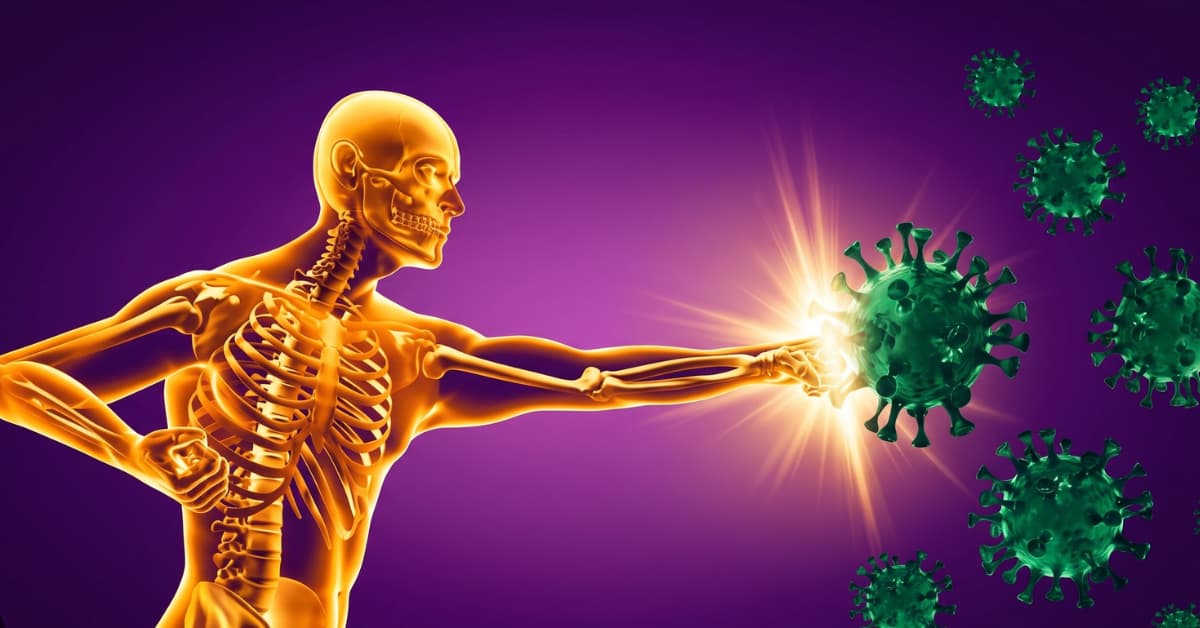
Imagine the body as a high-tech fortress. Every day, this fortress is under siege by invisible invaders, bacteria, viruses, fungi, and toxins, all trying to break in and take over. Fortunately, you have an elite security team working 24/7 to place, track down, and neutralize these threats before they can generate serious damage. This team is the Immune System.
Many of us don’t think about our immunity until we wake up with a scratchy throat or a fever. But comprehending how this complex network works is the first step toward truly taking care of one’s health. In this manual, we’ll break down how the immune system functions, the “hardware” that makes it up, and how you can use lifestyle choices to keep the defenses razor-sharp.
The human immune system is the body’s personal, 24/7 security detail, a complex and brilliant network of cells, tissues, & organs that work in perfect harmony to keep you upright and healthy. Think of it as an invisible shield that doesn’t just sit there; it actively patrols the entire system, learning to distinguish between “you” & potentially dangerous outsiders, such as bacteria, viruses, or toxins. From the physical barrier of the skin to the strategic memory of white blood cells, it’s a dynamic defense mechanism that constantly adapts to new threats, ensuring that even when you aren’t thinking about your health, the body is doing the heavy lifting to protect it.
How Does the Immune System Actually Work?
At its core, the immune system’s job is simple: differentiate between “self” and “non-self.”
The cells carry specific markers that tell the immune system, “I belong here.” When a germ (an antigen) joins the body, it lacks these markers. The immune system flags it as an intruder and launches a multi-layered response.
1. The First Line: Innate Immunity
It is the all-around security. It doesn’t care what the invader is; it just understands it shouldn’t be there.
- Physical Barriers: The skin is like a literal wall. Mucus in the nose and throat traps dust & germs.
- Chemical Barriers: Stomach acid kills most bacteria on the food you eat.
- Inflammation: If you get a cut, the area gets red and warm. That’s the body sending “first responder” cells to the site to eat up any bacteria that slipped through the crack.
2. The Second Line: Adaptive Immunity
If a germ gets past the front gates, the body calls in the specialists. It is Adaptive (or Acquired) Immunity.
- This feature of the system “learns” & “remembers.”
- If you’ve had a specific virus before, the body produces antibodies, custom-made tools created to destroy that specific germ if it ever shows up again. It is why you usually don’t get the same cold twice in a row.
The “Parts” of the System: More Than Just Blood
We often think of the immune system as just “white blood cells,” but it’s really a full-body network involving several organs and tissues.
It is a drainage and transport network. It contains:
- Lymph Nodes: Small, bean-shaped systems that act as filters. When you’re sick, & the “glands” in the neck feel swollen, those are actually the lymph nodes working overtime to trap germs.
- Lymph Vessels: Tubes that hold a clear fluid named lymph, which includes infection-fighting white blood cells.
The Spleen
Found on the left side under the ribs, the spleen is like a blood-processing plant. It filters out old red blood cells and serves as a reservoir for immune cells ready to deploy at a moment’s notice.
Bone Marrow and the Thymus
- Bone Marrow: It is the factory where all the blood cells, including white blood cells (leukocytes), are born.
- Thymus: Found in the upper chest, this is where “T-cells” (a specific kind of immune cell) go to “school” to learn how to fight.
White Blood Cells (The Soldiers)
- Phagocytes: These cells “eat” invaders.
- Lymphocytes: B-cells produce antibodies, while T-cells kill infected cells directly.
Common Disorders: When the System Falters
Occasionally, the “security team” makes mistakes. Difficulties generally fall into three categories:
1. Immunodeficiencies
It occurs when part of the immune system is missing or not working properly.
- Temporary: Can be caused by certain infections (such as the flu) or by extreme stress.
- Chronic: Conditions like HIV/AIDS or primary immunodeficiency disorders.
2. Autoimmune Diseases
It is a case of “friendly fire.” The immune system becomes confused and begins attacking the body’s healthy tissues.
- Examples: Type 1 Diabetes (attacking the pancreas), Rheumatoid Arthritis (attacking joints), or Lupus.
3. Overactive Responses (Allergies)
Occasionally, the system overreacts to harmless triggers, such as pollen, peanuts, or pet dander. It treats these items as a deadly threat, leading to symptoms such as sneezing, rashes, or even anaphylaxis.

Fueling the Fortress: Diet and Nutrition
You wouldn’t expect a car to run on low-quality fuel, and the immune system is no different. It needs a steady stream of micronutrients to build new cells and produce antibodies.
Key Nutrients for Immunity
- Vitamin C: Found in citrus, bell peppers, and strawberries. It assists stimulate the production of white blood cells.
- Vitamin D: Often named the “sunshine vitamin.” It’s crucial for activating T-cells. If you live in a cloudy climate, a supplement might be necessary.
- Zinc: Think of zinc as a “signaling” molecule. It aids immune cells in communicating with each other. You can find it in pumpkin seeds, chickpeas, and lean meats.
- Probiotics: About 70 percent of the immune system lives in your gut. Eating fermented foods or meals such as yogurt, kefir, or kimchi helps maintain a healthy “microbiome” that blocks bad bacteria from taking hold.

The Power of Hydration
Water is the medium that carries lymph through the body. If you’re dehydrated, the immune system’s “transportation” system slows down, making it harder for white blood cells to reach out the site of an infection.
Training the Fortress: Workout and Immunity
Exercise or activity is not just about building muscle or losing weight; it’s one of the most effective ways to strengthen the internal defenses.
How Working Out Helps
- Circulation: Physical activity increases blood and lymph flow. It allows immune cells to circulate throughout the body more quickly and more frequently.
- Temperature Rise: A brief rise in body temperature during & right after exercise may prevent bacteria from growing (similar to how a fever works).
- Stress Hormone Reduction: High levels of cortisol (the stress hormone) suppress immune function. Regular exercise lowers cortisol, “unclamping” the immune system.
The “Goldilocks” Rule
When it comes to exercise and immunity, more isn’t always better.
- Moderate Intensity: 30–60 minutes of brisk walking, cycling, or weightlifting is the sweet spot.
- Overtraining: If you push yourself to the point of exhaustion every single day without rest, you actually create a “window” of suppressed immunity, making you more likely to get sick. Rest days are when the immune system recovers.
The Lifestyle Pillars: Sleep and Stress
You can eat all the broccoli in the world and run marathons, but if you don’t sleep, the immune system will struggle.

The Importance of Sleep
While you sleep, the body releases proteins called cytokines. Some of these help promote sleep, while others are needed to fight infections or inflammation. Depriving yourself of sleep reduces the production of these protective cytokines. Aim for 7–9 hours of quality rest.
Managing Stress
Chronic stress is like a slow leak in the fortress walls. When you’re constantly stressed, the body stays in “fight or flight” mode, which deprioritizes the immune system. Finding a way to “turn off” that response, whether through meditation, a hobby, or just spending time in nature, is a medical necessity, not a luxury.
Practical Examples: A Day in the Life of a Healthy Immune System
What does this look like in practice? Let’s compare two scenarios:
Scenario A (The Vulnerable System):
- Morning: Skips breakfast, drinks three cups of black coffee.
- Afternoon: Sits at a desk for 8 hours, highly stressed about deadlines.
- Evening: Eats highly processed fast food, watches TV until 1 AM.
- Result: High cortisol, low nutrient intake, and sluggish lymph flow. This person is likely to catch every cold that goes around the office.
Scenario B (The Resilient System):
- Morning: Drinks a large glass of water, eats eggs with spinach and a side of oranges.
- Afternoon: Takes a 20-minute brisk walk during lunch; practices deep breathing when a meeting gets tense.
- Evening: Go the gym for a moderate lifting session, eats salmon with sweet potatoes, and is in bed by 10:30 PM.
- Result: High circulation of immune cells, plenty of “building blocks” for antibodies, and low systemic inflammation.
Conclusion
The immune system is incredibly resilient, but it isn’t invincible. It’s not something you can “boost” with a single pill or a “detox” juice cleanse over the weekend. Instead, think of it as a garden that needs daily tending.
By concentrating on a diverse, nutrient-rich diet, staying active without overtraining, and prioritizing the “recovery” phases of sleep & stress management, you are giving the body the tools it needs to protect you. Your “invisible shield” is always there; make sure you’re giving it the support it deserves.
After all, the best defense isn’t a cure; it’s a body that is too strong to let the invader take root in the first place.